| Activity | Starting target | Planning use |
|---|---|---|
| First days | 10 minutes of activity a day | Pick a walk or light stretching you will repeat easily, and add time only after it feels routine. |
| Aerobic activity (cardio) | At least 150 minutes per week of moderate intensity; 300 minutes per week for more benefits or weight management | Treat 150 minutes as the first destination and 300 minutes as a later option. |
| Strength training | Twice per week, 2 to 3 sets per muscle group | Two short sessions with bodyweight moves or resistance bands cover the basics. |
| Stretching | 2 to 3 times per week | Fit it around walks and strength sessions rather than treating it as a separate workout. |
These figures come from the NIDDK’s tips for starting physical activity and Stony Brook Medicine’s guide to getting started with an exercise routine; the stretching frequency is Stony Brook’s suggestion.
The simplest way to approach how to start working out is to begin with about 10 minutes of walking or light stretching a day, then build toward 150 minutes of moderate activity a week plus two strength sessions.
Each strand of a beginner routine has its own guide, starting with strength training for beginners. The sections below show how walking, strength work and stretching fit together into a plan that rewards showing up more than training hard.
Starting small and staying consistent
A beginner plan works when it is easy enough to repeat. The NIDDK puts the starting principle plainly: some physical activity is better than none, and you can start slowly and build up from there. That makes the first goal a repeatable habit. Intensity, speed and sweat come later, if at all.
Pick an activity you enjoy
The NIDDK advice is short: pick an activity you enjoy. Enjoyment matters more at the start than the “best” exercise, because an activity you dislike rarely survives the first busy week. Stony Brook Medicine suggests beginning with low-impact activities like walking or light stretching and increasing gradually. Both are cheap, need no equipment and are easy to stop and restart.
- If you are mostly inactive now: start with walking, since it asks for nothing but shoes and a few free minutes.
- If you dislike walking: light stretching, a gentle class or a short home routine still counts as a beginner start.
- If mornings are your calmest time: The Perfect 20-Min Morning Workout Routine To Energize Your Day – Wholebodyreboot shows how to attach exercise to the start of the day.
Set goals you can track
The NIDDK recommends specific short-term goals that you can track, such as walking 30 minutes a day on 3 days this week. A goal like that is better than “get fit” because on Sunday evening you know whether you met it. Stony Brook Medicine also recommends small, attainable milestones at first, like walking for 10 to 20 minutes a day.
Houston Methodist adds that consistency is the priority and that, ideally, there should be no days off from moving. That does not mean a hard workout every day. A short walk or a few minutes of stretching keeps the habit alive on days when a full session is unrealistic.
Check with a clinician first
Stony Brook Medicine says it is best to get medical clearance from your primary care provider before starting a new type of exercise, especially if you have an existing condition. If you have a health condition or have been inactive for a long time, a short appointment before week one is a sensible first step, and it is worth doing before anything beyond gentle walking.
Weekly activity targets
Adults should aim for at least 150 minutes per week of moderate-intensity aerobic activity, according to the NIDDK. That is a destination for a beginner, not a starting requirement, and the sections below explain how to build toward it.
Aerobic minutes
Stony Brook Medicine translates the weekly recommendation into about 30 minutes of exercise on 5 days a week, noting that the total can be 150 minutes of moderate or 75 minutes of vigorous activity. For people who want more benefit, or who are managing weight, the NIDDK advises aiming for at least 300 minutes per week. The higher figure is an option once the lower one feels comfortable. It is not a beginner expectation.
Strength days
The adult recommendation also includes muscle work. A beginner’s guide on center4research.org restates the CDC-based advice as 150 minutes of moderate-intensity exercise every week plus two days of strength training with weights or resistance bands. This is why walking alone, however regular, does not complete a balanced week.
Choosing how many days to work out
Weekly minutes can be spread many ways, and the right spread depends on your schedule and starting point.
- Very low starting point: aim for short, frequent bouts. Houston Methodist cites research linking a move from sedentary to making time for movement at least two to three times a week with reduced health risks, so even a modest rhythm is worthwhile.
- Steady routine: a balanced week from Stony Brook Medicine has resistance training 2-3 times per week and flexibility work 2-3 times per week alongside the aerobic minutes.
- Time-pressed week: the NIDDK says aerobic activity can be built from segments of at least 10 minutes at a time, so a full block is not required.
Walking and cardio
Walking is a sound way to start cardio. Stony Brook Medicine describes it as an accessible and effective form of aerobic exercise that strengthens your heart and improves circulation. Whether walking is enough exercise depends on what you are measuring it against. As a beginner starting point it is enough, and it counts toward the weekly aerobic minutes. As a whole routine it leaves out the two strength days.
Using walking as your base
The NIDDK suggests that a brisk walk after lunch, dinner or when your schedule permits can help build weekly aerobic activity. Anchoring a walk to a meal removes the daily decision of when to fit it in, which is where many beginner plans stall. Start with the small daily total in the table above and add time in steps rather than jumping to a long walk.

Checking intensity with the talk test
Moderate intensity is easy to check without gadgets. The NIDDK’s talk test says you should be able to speak a few words in a row, but you should not be able to sing. Houston Methodist similarly describes moderate-intensity cardio as a comfortable pace that invokes slightly deeper breathing. If you cannot talk at all, slow down. If you could sing comfortably, pick up the pace a little.
Walking guides and low-impact options
When you want more detail on a walking-based approach, these guides go deeper:
- The case for walking: What Walking Does For Your Body: Evidence-Based Benefits, How Much You Need, And How To Start (2026 Guide) – Wholebodyreboot explains the benefits and how to begin.
- Walking with a weight goal: Walk Your Way Lean: The Simple 8-Week Plan To Burn Fat With Walking (No Gym Required) – Wholebodyreboot lays out a structured plan.
- Walking indoors: Best Walking Pads For Home: Compact, Quiet Cardio You’ll Actually Use In 2026 – Wholebodyreboot suits people whose weather or schedule makes outdoor walks hard.
- Other joint-friendly cardio: Low-Impact Cardio Workout: 20-Min Fat‑Burning Routine For Joint‑Friendly Fitness – Wholebodyreboot offers an alternative to walking.
- Gentle balance work: Tai Chi Walking For Seniors: Gentle Balance, Strength, And Mobility Exercises For 2026 – Wholebodyreboot suits those who want a slower, more controlled style of walking.
Strength training at home
A simple home workout needs very little: a mat, a chair and either resistance bands or light weights. The NIDDK lists resistance bands as one way to strengthen your muscles, and Stony Brook Medicine names bands, weighted balls and light cuff weights as options for added strength training.
Start with bodyweight moves
Houston Methodist’s beginner structure includes modified bodyweight exercises, such as chair-to-stand squats and knee push-ups. These suit true beginners because the chair and the knees reduce the load and let you practise the movement pattern first. When those feel easy, Bodyweight Workout Routine: Build Strength Anywhere In 8 Weeks – Wholebodyreboot gives a longer progression, and 20-Minute Female Full-Body Home Workout: Build Strength, Burn Fat, And Feel Confident (No Equipment Needed) – Wholebodyreboot offers a complete short session. For trunk work in particular, see core exercises for beginners.
Add resistance bands
Bands suit people who want adjustable resistance in a bag-sized package. They also work for focused sessions on one body area. The following guides split bands work by region and by programme:
- Upper body: Upper Body Resistance Band Workout: 20-Min Strength Routine For Stronger Arms, Back & Shoulders (2026) – Wholebodyreboot.
- Lower body: Tone Your Legs Anywhere: A 30-Minute Lower-Body Resistance-Band Workout (No Gym Needed) – Wholebodyreboot.
- Shoulders: Resistance Band Shoulder Workout: 20-Min Plan For Stronger, Pain‑Free Shoulders (2026) – Wholebodyreboot.
- Triceps: Resistance Band Tricep Workout: 5 Effective Routines To Build Stronger Arms At Home (2026 Guide) – Wholebodyreboot.
- Structured programme: Resistance Band Workout Plan: Build Strength And Mobility In 4 Weeks (Easy At-Home Program) – Wholebodyreboot strings sessions together over several weeks.
Sets, frequency and weights
The NIDDK says that doing 2-3 sets for each muscle group twice per week may help. Stony Brook Medicine’s balanced schedule lists resistance training 2-3 times per week. Beginners should treat twice a week as the target and the top of the range as a later step. Muscle work asks for more recovery than a walk does, so it is the one part of the week where spacing sessions out makes sense. Once bands feel too light, The Best Full-Body Dumbbell Workout: 3 Balanced Routines To Build Strength, Burn Fat, And Save Time (2026) – Wholebodyreboot is a natural next step.
Warm-up, stretching and recovery
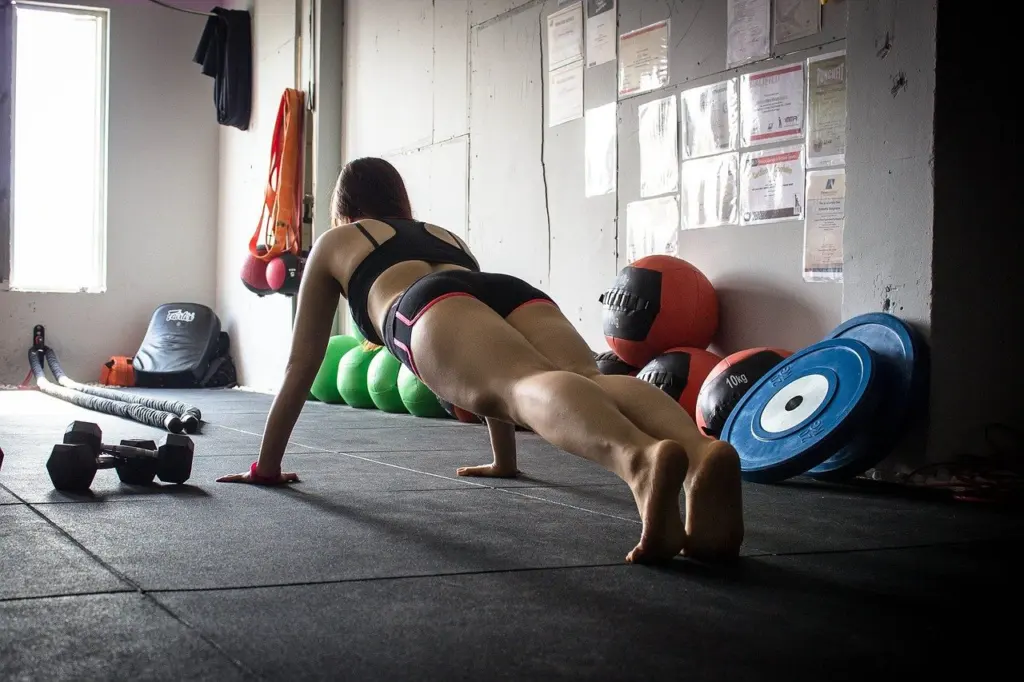
Warm up before strength or hard cardio, and stretch statically afterwards. That ordering follows the guidance in the center4research.org beginner guide, which advises starting your workout with a good warm-up of short aerobic activity followed by dynamic stretching.
Warming up
A warm-up can be as simple as a short walk at an easy pace, followed by controlled movements such as arm circles or leg swings. It marks the shift from daily life into exercise, and it keeps early sessions from feeling abrupt.
Static stretching
Static stretching means holding a muscle in a position of resistance, with each hold lasting up to 30 seconds, as described by the same guide, which does not recommend it as the best choice just before exercise. Stony Brook Medicine suggests flexibility and stretching 2-3 times per week. A hamstring or calf stretch at the end of a walk is an easy way to meet that target.
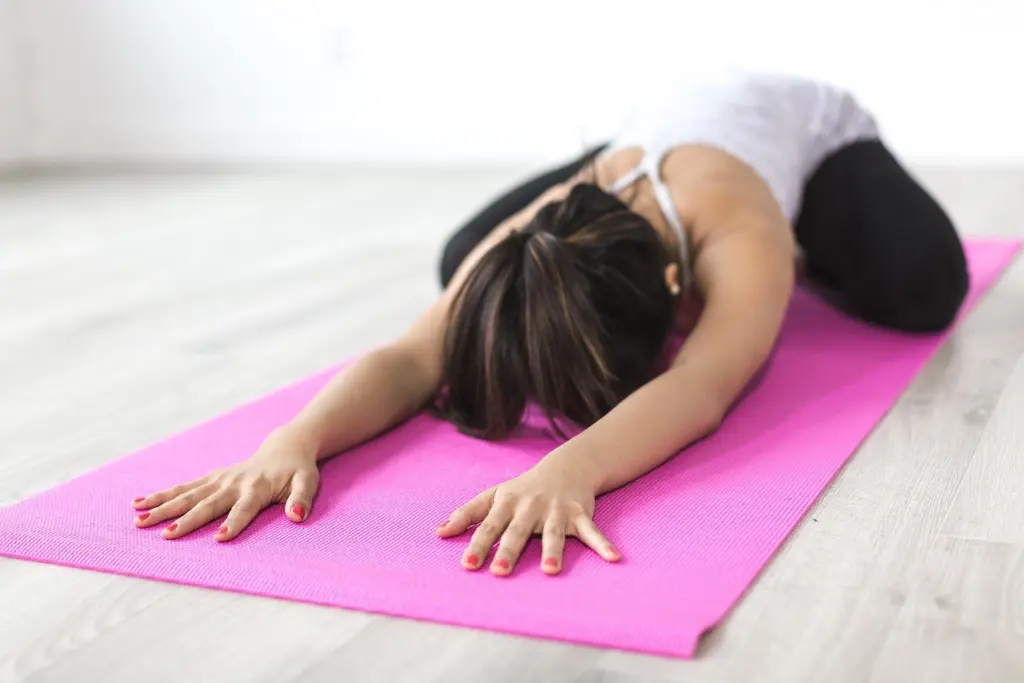
For routines to follow, Full-Body Stretching Routine PDF: A Simple 10-Min Daily Plan To Boost Flexibility And Reduce Pain (Printable) – Wholebodyreboot is a printable daily plan, and Quick Morning Stretch Routine: 10 Minutes To Feel Energized Every Day – Wholebodyreboot suits people who prefer to stretch before the day starts.
Yoga and recovery extras
If stretching alone feels dull, the NIDDK notes that Pilates and yoga may improve balance, muscle strength, and flexibility, and yoga for beginners offers a short starter sequence. Some people also like to finish a workout with heat; Sauna After Your Workout: 7 Science-Backed Benefits For Faster Recovery (2026 Guide) – Wholebodyreboot covers that option.
A sample first week
A sample beginner week should mix short daily movement with two strength sessions. The structure below follows the NIDDK start of 10 minutes of activity a day and its twice-weekly strengthening guidance, plus the short stretch in Houston Methodist’s example beginner routine of a 10-minute walk and 5 minutes of stretching. Treat it as a template to adjust to your own schedule.
- Monday, easy walk: walk for 10 minutes, then stretch for 5 minutes.
- Tuesday, strength: do modified bodyweight moves or band exercises for 2 to 3 sets per muscle group, as the NIDDK suggests for muscle work.
- Wednesday, easy walk: repeat the Monday walk and stretch.
- Thursday, flexible day: pick something you enjoy, such as a walk, light stretching or a yoga video.
- Friday, strength: repeat the Tuesday session so strength work reaches twice per week.
- Weekend, free choice: choose a walk or another activity you like and stretch afterwards.
This layout keeps movement in every part of the week, which fits the consistency advice from Houston Methodist, while strength sessions stay at twice per week. If a day goes wrong, do the shortest version of that day’s plan and carry on.
Progression over the first months
Progress should be gradual, and changing one variable at a time is the safest approach. The center4research.org guide says to start exercising at a low intensity, then slowly increase the amount and intensity of exercise. The table below summarises how the guidance lines up from the first day to the weekly targets.
| Stage | What changes | Planning use |
|---|---|---|
| Start | 10 minutes of activity a day | Hold this level until it feels routine rather than rushing to add time. |
| Build | Every few weeks, add 5 to 10 minutes until you are active at least 30 minutes most days | Add time before adding speed, so each step feels small. |
| Intensity | Begin at low intensity and slowly raise the amount and intensity | Use the talk test to check that effort stays moderate as sessions lengthen. |
| Strength | 2 to 3 sets for each muscle group, twice per week | Start at the low end of the set range and move up when the moves feel easy. |
| Weekly target | At least 150 minutes per week of moderate aerobic activity; 300 minutes per week for more benefits | Reach the first figure before considering the second. |
The first four rows follow the NIDDK’s starting-activity advice, except that the intensity row comes from the center4research.org beginner guide.
Moving on is a judgement call, not a calendar rule. If a session leaves you unable to talk, or a week left you too tired to repeat it, step back to the previous stage for a while. Holding a level for longer costs very little, while an overambitious jump can end the habit altogether.
Frequently asked questions
Do I need to see a doctor before I start exercising?
Stony Brook Medicine recommends medical clearance from your primary care provider before starting a new type of exercise, particularly if you have existing health conditions.
Do short bouts of activity count toward my weekly total?
Yes. The NIDDK says to try to be active for at least 10 minutes at a time without breaks, so several short sessions can add up across a week.
Does any amount of activity help, or only the full guideline?
A 2017 study, as reported by center4research.org, associated any amount of physical activity with a reduced chance of dying from cardiovascular disease or cancer, so falling short of the full guideline does not make activity pointless.
Can yoga or Pilates replace my stretching?
They can serve a similar purpose. The NIDDK says Pilates and yoga may improve balance, muscle strength and flexibility, so they work well if you find standalone stretching dull.