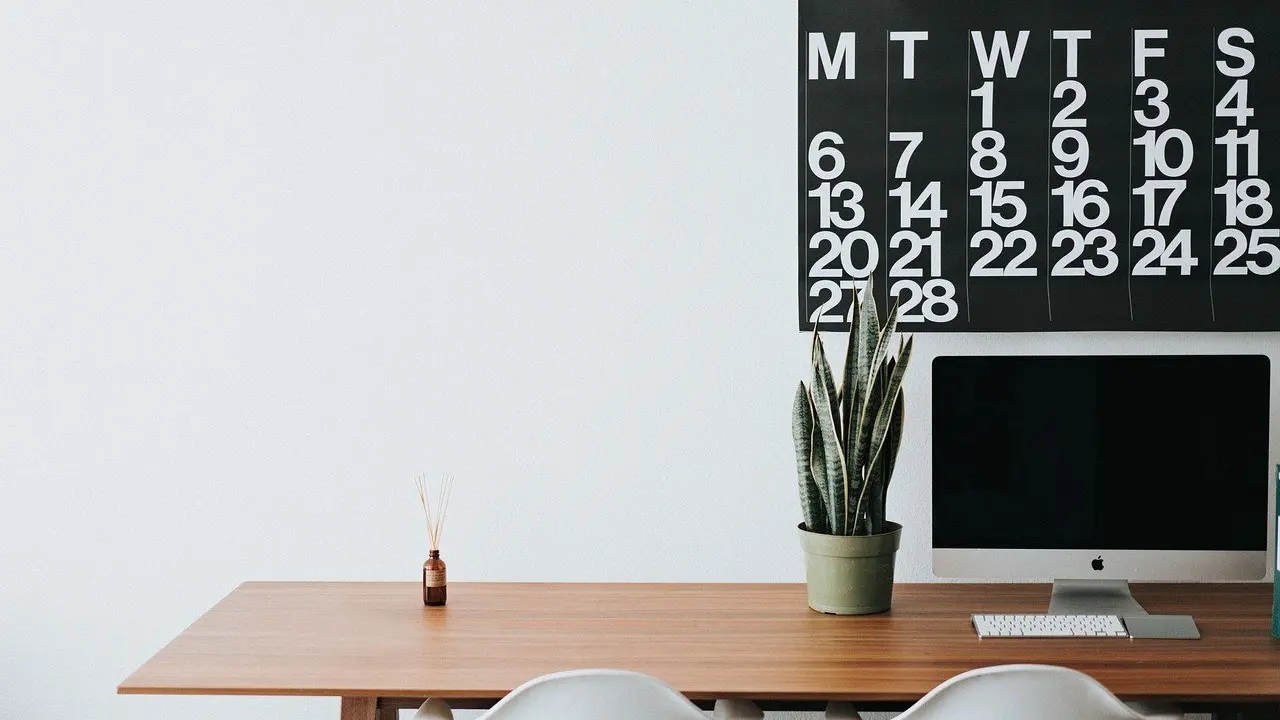
Wondering how to build healthy habits when your week is already full? Start with one tiny action, attach it to something you already do, and repeat it daily. Consistency matters more than size.
The routes below match common situations, from a first habit to a morning routine and tracking. Each ends with a practical next step and points to deeper guides on the details.
- Starting from nothing: read the beginner route on shrinking the goal, scheduling it and fixing the cue.
- Already have steady daily anchors: go to the habit stacking route.
- Short on time: use the busy-week route and the comparison table.
- Want a morning plan: follow the morning routine section and the sample checklist.
- Want proof you are progressing: jump to habit tracking and the template.
What a habit is and why routines hold
A habit is a repeated action that becomes automatic, with little to no thought, according to Brown Health. That definition explains why the first weeks feel effortful. You are still deciding each time, and the goal is to reach the point where you no longer have to.
The Society of Behavioral Medicine describes the mechanism as a loop: Cue, then impulse to act, then behavior response, then outcome. Each time you repeat a behavior in response to the same cue, the link between cue and action gets stronger. Once healthy habits are established, the same source says, they become more automatic and easier to maintain over time.
Two practical conclusions follow. First, a habit needs a reliable cue, so a vague intention such as “be healthier” gives you nothing to repeat. Second, effort is front-loaded: the early stretch is the hardest, and the work is to get through it with the least friction possible.
This is also why routines matter in health care. A 2019 review in the American Journal of Lifestyle Medicine, listed by University of Minnesota experts, notes that patient adherence is one of the greatest challenges to lifestyle medicine. It adds that long-term adherence implies a routine incorporating health recommendations has been developed. In other words, advice on nutrition, movement and sleep only works when it is built into a repeatable daily pattern. Knowing what to do is rarely the missing piece.
Route for beginners: shrink the goal, schedule it, fix the cue
If you are starting from nothing, work through these steps in order. They keep the first habit small enough to survive a bad day.
Shrink the goal
UCLA Health makes the logic plain: the smaller the goal, the easier it is to achieve, and breaking a goal into smaller interim goals helps. Treat your big ambition as a destination and pick a first step that feels almost too easy.
Brown Health gives an example of a specific exercise goal: exercising five times each week for 30 minutes. That is a sensible target to aim at, but it is not necessarily where to begin. If you are not currently exercising, the first interim goal could be putting your shoes on at the usual time and stepping outside. Scale up only when that step feels routine.
Choose one habit at a time and describe it as an action you could film: “fill the water bottle”, not “drink better”. A concrete action gives the cue something to trigger.
Put it on the calendar with a time block
Brown Health advises that, to commit to a new habit, you schedule time for it so it becomes part of the daily to-do list. This is time blocking in practice: you reserve a slot in your calendar instead of hoping a gap appears. UCLA Health adds that the best way to make new habits stick is to keep doing them, and that a specific schedule supports doing the behavior daily.
A calendar entry works best when it names the cue and the action together, for example “after breakfast: ten-minute walk” or “at my desk: fill bottle”. A block labeled only “health” invites negotiation. Put the entry where you already look every day, and keep it short enough that you cannot reasonably decline it.
Make the cue visible and the habit easy
Northwestern Medicine suggests default cues for hydration and activity: keep a water bottle on your desk and place your walking shoes near the door. The idea is to let the environment prompt the action so you do not have to rely on memory or willpower. If hydration is the habit you want to build first, a desk bottle is a low-effort start.
Some people find plain water a hard sell. If that is you, the guide to Drink More Water Without Hating It: Simple, Science-Backed Hacks That Actually Work In 2026 – Wholebodyreboot goes into practical ways to make the habit easier. Parents building the habit with a child can use How to Get Your Toddler to Drink More Water: 15 Practical Tips Parents Can Use Today – Wholebodyreboot.
Route for people with steady routines: habit stacking
Habit stacking means attaching a new habit to one you already do. Northwestern Medicine puts it simply: stack new habits with habits you are already doing. Its examples are stretching while waiting for the coffee to brew, and taking a deep breath after sending an email.
The stacking idea fits the habit loop. An established habit is already a dependable cue, and the new action borrows it. UCLA Health makes a related point about exercise: you need to work out how to integrate it smoothly into your current routine. Stacking is a practical way of doing that integration.
To choose an anchor, look for something that happens daily, at a predictable point, without much deliberation. Brewing coffee, sitting at a desk and finishing an email all qualify. An anchor that happens only on some days will produce a habit that happens only on some days. Then pair it with a new action that is very small and takes place in the same spot, so the old habit leads straight into the new one.
For a step-by-step method, see how to habit stack. Evening anchors are worth considering too. A meal is a natural cue, which makes the benefits of walking after dinner relevant if your evenings are already structured around eating at a regular time.
Finding time for healthy habits when you’re busy
When schedules tighten, the habit that survives is usually the smaller one. Northwestern Medicine advises that when things get busy, scale your habits down, then rebuild when there is more space. Keep the cue and the action, and reduce the amount. A shorter version done every day keeps the cue-and-repeat link alive better than an ambitious version abandoned for a week.
The same source recommends scheduling mini movement breaks of five to 10 minutes between tasks. This works as time blocking in miniature: the break is a calendar entry that sits between obligations, so it does not have to compete with them. Desk-bound days suit this approach, because the natural boundary between tasks is already the cue.

A few ways to apply this when time is tight:
- Protect the cue, not the duration: on a crowded day, do the shortest version of the habit rather than skipping it.
- Use transitions: the gap between calls or tasks is a ready-made slot for a stretch, a walk to refill water or a screen break such as the 20-20-20 rule.
- Plan the rebuild: when the busy stretch ends, put the full-size habit back on the calendar so it does not stay shrunk by default.
- Travel with a minimum routine: when your surroundings change, the cues change too, so see how to stay healthy while traveling for a pared-back version.
Comparing the methods
These methods are not rivals. They solve different problems, and most people end up combining two or three. The table sets them side by side so you can pick the one that fits your situation first.
| Method | How it works | Suits you when | Planning use |
|---|---|---|---|
| Habit stacking | A new action follows a habit you already do, such as stretching while coffee brews | You have steady daily anchors | Pick the anchor first, then the new action |
| Scaling down | Shrink a habit when things get busy, then rebuild when there is more space | Your schedule is unpredictable | Keep the cue; reduce the amount, not the frequency |
| Movement breaks | Five to 10 minutes of movement between tasks | You sit or work in blocks | Place the break at task boundaries in the calendar |
| Tracking | Record each day in a journal, calendar or phone app to see a streak | You want visible evidence of progress | Use the tool you will see every day |
The stacking, scaling and movement-break details come from Northwestern Medicine, and the tracking approach from UCLA Health.
If you cannot decide, begin with stacking, because it removes the need to find a new slot, and add scaling down as a fallback plan for weeks when your routine breaks.
How long it takes to form a habit
There is no single fixed answer. The Society of Behavioral Medicine says plainly that there is no one answer, and that time varies by habit and by person.
Brown Health cites a well-known study reporting that it takes between 18 and 254 days to build a new habit, and that the average time for a habit to become automatic was 66 days. The range is wide, and the average should not be read as a deadline.
For exercise specifically, the Society of Behavioral Medicine reports a figure of about 3 to over 8 months for an exercise habit, depending on the person. So if you are building a movement habit, plan for months, not weeks. Simple habits like a glass of water on waking are likely to settle sooner than a long workout, though the sources give no exact figure for that, so judge by whether the action has started to feel automatic.
What to do with that information:
- Judge by automaticity, not by the calendar: a habit is working when you do it without having to decide, which is how Brown Health defines it.
- Expect a slow middle: because the range is so wide, slow progress at the halfway point is normal rather than evidence of failure.
- Keep going: UCLA Health’s guidance is that the best way to make new habits stick is to keep doing them.
A good morning routine
A good morning routine is a short sequence of habits you can do on most days, not an elaborate ritual. Northwestern Medicine describes a healthy daily routine as habits you do most days, covering a sleep schedule, regular meals, exercise and stress management. The morning is where several of these can be started.

Anchor the morning to a consistent wake time
The same source recommends keeping the same bedtime and wake time within a half hour every day. Because wake time is the first cue of the day, a consistent one makes everything stacked on it more reliable. If you are trying to move your wake time earlier, the guide How To Wake Up Early Every Morning: Practical Steps To Rise Consistently (2026) – Wholebodyreboot covers the steps.
Add light, water and movement
Northwestern Medicine advises getting morning sunlight within 30 minutes of waking. Pair that with a hydration cue such as the desk water bottle, and you have two habits that need no equipment. A stretch while the coffee brews adds movement to something already in your morning. If caffeine is part of your routine, the question of what time should you stop drinking coffee connects the morning habit to your evening one.
Keep the list short. A handful of tiny actions that you repeat will do more than a long list you abandon. For a full blueprint, see How To Build A Morning Routine That Actually Sticks: A Simple 2026 Blueprint – Wholebodyreboot.
Protect the night before
Morning habits depend on sleep. Northwestern Medicine says most adults aged 18 to 64 should aim for seven to nine hours each night. Treat that as the range to plan around, not a target to hit every night. The practical point is that a consistent bedtime is the first habit in a morning routine. Building the routine around early wake times while cutting sleep short works against you.
Sample daily routine checklist
Use this checklist as a menu, not a score. Choose a few items to start with, and add others as they become automatic. Each item is drawn from the Northwestern Medicine guidance on healthy daily routines, and the aim is to do most of them on most days.
- ☐ Wake near your usual time: stay within a half hour of yesterday’s wake time.
- ☐ Get morning sunlight: step outside within 30 minutes of waking.
- ☐ Set the hydration cue: keep a water bottle on your desk.
- ☐ Stack one tiny action: stretch while the coffee brews, or take a deep breath after sending an email.
- ☐ Eat regular meals: treat meals as fixed points the rest of the day can hang on.
- ☐ Take movement breaks: move five to 10 minutes between tasks, with walking shoes near the door.
- ☐ Make time for stress management: choose a small practice you will actually repeat.
- ☐ Keep a steady bedtime: stay within a half hour of the usual time and protect seven to nine hours of sleep.
On a busy day, scale the list down to the items that matter most to you, keeping the cue and shrinking the amount. A shorter checklist completed is more useful than a full checklist abandoned.
Habit tracking and a template
Tracking turns a vague sense of progress into something you can see. UCLA Health recommends using a journal, a calendar or an app to keep track of a new habit, and notes that seeing your streak of success can help establish the habit as part of your daily routine. A wall calendar is the lowest-effort option, since it sits where you already look. The template below works the same way on paper or in a spreadsheet.
| Habit | Cue | Mon | Tue | Wed | Thu | Fri | Sat | Sun |
|---|---|---|---|---|---|---|---|---|
| Fill water bottle | Sit down at desk | ☐ | ☐ | ☐ | ☐ | ☐ | ☐ | ☐ |
| Morning sunlight | After waking | ☐ | ☐ | ☐ | ☐ | ☐ | ☐ | ☐ |
| Stretch | Coffee brewing | ☐ | ☐ | ☐ | ☐ | ☐ | ☐ | ☐ |
| Movement break | Between tasks | ☐ | ☐ | ☐ | ☐ | ☐ | ☐ | ☐ |
| Steady bedtime | Evening wind-down | ☐ | ☐ | ☐ | ☐ | ☐ | ☐ | ☐ |
The tracking approach follows UCLA Health’s advice on journals, calendars and streaks, and the cues use the stacking examples from Northwestern Medicine.
Keep the tracker to a few rows. The point is to give each habit a visible daily mark, so more rows only make the sheet harder to maintain. Review it weekly, and when a habit has become automatic, replace the row with a new one. For more layouts, Habit Tracker Ideas: 25 Simple Templates To Build Consistency Fast (2026) – Wholebodyreboot collects variations.
Where to go next
Once your first habit holds, these guides cover adjacent routines in more depth. Choose by the part of your day that needs work most.
- Evenings: if snacking late is where the day unravels, Break The Bedtime Munchies: How To Stop Snacking At Night — A Practical Plan For Better Sleep And Weight Control – Wholebodyreboot gives a practical plan.
- Self-care: for a broader daily plan, see Self-Care Routine That Actually Works: A Practical 2026 Plan To Feel Calmer, Sleep Better, And Boost Energy – Wholebodyreboot.
- Reflection: a writing habit can be started small too, as in Start Journaling Today: A Simple 7-Day Plan For Beginners To Build A Lasting Habit – Wholebodyreboot.
- Supplements: if you take any, pairing them with a fixed daily cue is a natural stack, and the guide on the best time of day to take vitamins covers timing.
- Families: for routines aimed at younger people, see healthy habits for teenagers.
Add new habits slowly. A new habit placed on top of a half-formed one splits your attention, so wait until the current habit feels automatic.
Frequently asked questions
| Question | Answer |
|---|---|
| Does missing a day ruin a habit? | No. The Society of Behavioral Medicine notes that habits are not destroyed by missing the activity occasionally. Return to the cue the next day instead of restarting from scratch. |
| Are New Year resolutions enough to start a habit? | Rarely on their own. UCLA Health cites research finding that only 9% of people achieve their resolution goals each year. Treat January as a start date for a tiny daily routine rather than a finish line. |
| Which tool should I use to track habits? | Any of the options UCLA Health lists: a journal, a calendar or a phone app. Choose the one you will see daily, and let the streak do the motivating. |
| What lasting benefits do healthy habits bring? | The Society of Behavioral Medicine says healthy activity and eating habits over time lead to lasting benefits, including avoiding excess weight gain and a lower risk of diabetes and cardiovascular disease. |