
You walk most days and the scale still sits still: walking for fat loss works when brisk walks are paired with a calorie deficit and enough weekly minutes.
If you are new to exercise, start with our guide on how to start working out, then use the pace, targets and staged plan below to make your walks count.
What walking can and cannot do for fat
Fat loss follows energy balance. Allina Health states it plainly: you need to burn more calories than you eat to lose weight. Walking adds to the burning side. But the Obesity Medicine Association’s summary of exercise research notes that walking alone has not consistently been associated with a change in weight or BMI. So walking works best as one part of a package: enough volume, a pace that raises effort, and eating that leaves a deficit.
Three beliefs cause most of the confusion, and the table sorts them out.
| Common belief | What the evidence supports | Planning use |
|---|---|---|
| Walking burns fat whatever I eat | Losing weight requires burning more calories than you eat, an energy deficit. | Treat walking and eating as one plan, not two separate efforts. |
| Walking never moves the scale | In a meta-analysis of 22 randomised controlled trials, brisk walking for about 3 hours a week produced significant reductions in weight and fat mass in adults with obesity under 50. | The result concerns brisk walking in that group, so expect your own response to depend on pace, volume and diet. |
| A step count is a fixed target | Many health experts recommend 10,000 to 15,000 steps for weight loss by walking; the average American takes about 4,800 steps a day. | Use the range as a destination to build toward, not a day-one requirement. |
Figures come from Harvard’s Nutrition Source and Allina Health.
The practical lesson is to read the trial result narrowly and the step range generously. A big step total does not override eating more than you burn, and a modest start is still a start. Pace is the next lever to set.
Choosing your pace
What brisk means in miles per hour
Harvard’s Nutrition Source describes moderate-intensity walking as about 2.5 to 4.2 mph (MET 3.0-6.0). Runner’s World describes brisk-pace walkers as moving at about 3 to 4.5 mph. The ranges overlap, so brisk is best understood as the upper part of moderate effort rather than one exact speed.
Brisk versus steady
Brisk walking is the better default for your main sessions. The weight and fat-mass trials summarised above used brisk walking, and in the heart research Harvard reports, the greatest benefits were in people who walked 3 mph or faster. Steady walking at the lower end of the moderate range still counts as moderate-intensity activity, so it suits the early stage, tired days and easy recovery walks.
Because MET values rise with speed across the moderate range, a faster pace costs more energy every minute. That is the reason to prioritise pace when time is short. A fixed calorie figure per walk depends on pace and on body size, so a weekly energy goal is a more dependable planning tool than a per-walk estimate. The next section sets that weekly goal.
Weekly minutes and daily length
Guidelines are written as weekly totals, and the totals matter more than the length of any single walk. The table lays out the reference points, and each one answers a different question.
| Reference point | Value and condition | Planning use |
|---|---|---|
| Lower weekly dose | 75 min/week of moderate exercise was linked to a 23% lower risk of dying early. | A realistic floor for the first stretch; a health benefit, not a fat-loss target. |
| Common baseline | 150 min/week was linked to a 31% lower risk of dying early. | The first milestone to reach and hold. |
| Guideline for adults with chronic conditions | At least 150-300 minutes/week of moderate-intensity aerobic activity. | Shows the range to stay within if you manage a health condition; check with your clinician. |
| ACSM activity and energy targets | 150-250 min/week of moderate to vigorous activity, equal to 1,200-2,000 kcal/week. | Turns minutes into a weekly energy goal. |
| Weight-loss threshold | Exercise programmes need to exceed 225 min/week for clinically significant weight loss (ACSM). | The line to cross in the later stage of a fat-loss plan. |
Figures come from Harvard’s Nutrition Source and the Obesity Medicine Association’s review of ACSM guidance.
The first rows describe general health, while only the last describes weight loss. If fat loss is the goal, plan to move past the baseline rather than stopping there. Because the guidelines are weekly, daily length is a scheduling choice. Pick a length you can repeat on most days, and let the weekly total tell you when to lengthen it.

A staged walking progression
Build up in stages rather than jumping to the highest target. Move to the next stage only when the current one feels manageable; holding for longer costs nothing, while overreaching can end the habit.
- Early weeks, build the habit. Walk briskly for 10 minutes a day, every day. Runner’s World notes that even this much, daily for a week, provides benefits. Keep the pace at the lower end of brisk and log each walk.
- Middle weeks, build the volume. Lengthen walks until your weekly total reaches the 150-minute baseline, and keep most sessions at 3 mph or faster, the speed where Harvard’s summary places the greatest heart benefits.
- Later weeks, go past the threshold. Aim for a weekly total above 225 minutes, the level the ACSM-based guidance associates with clinically significant weight loss. Hold your eating deficit steady while you do it.
Weather and schedules break routines. A compact indoor option can keep the weekly minutes intact, and Best Walking Pads For Home: Compact, Quiet Cardio You’ll Actually Use In 2026 – Wholebodyreboot compares choices for home use. Pace still matters indoors, so check your speed against the brisk range above.
Eating and muscle preservation
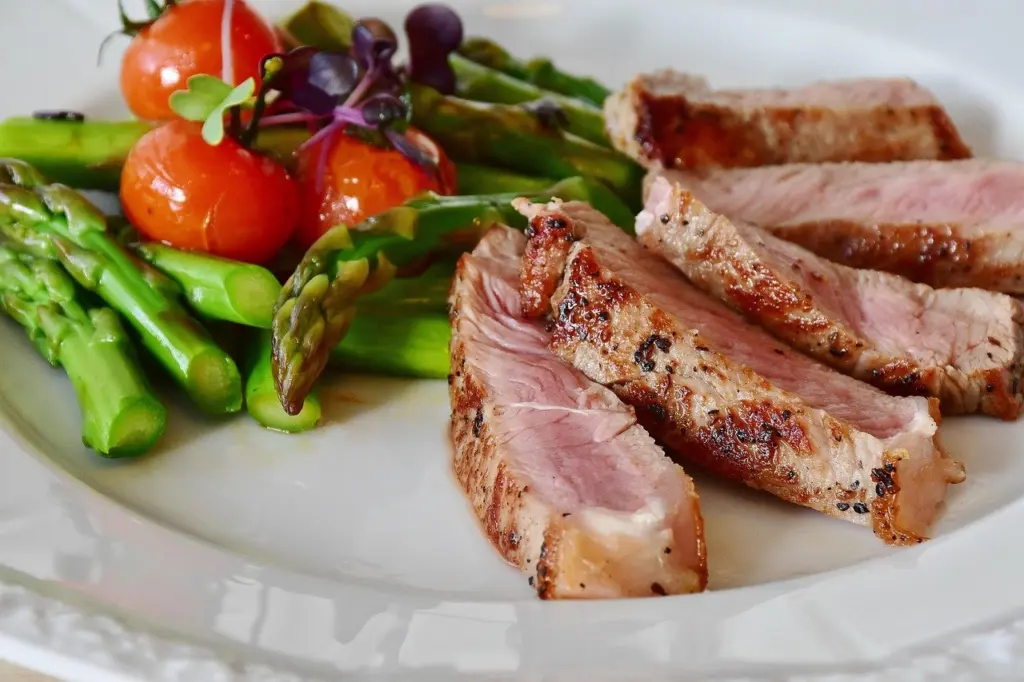
The energy deficit that drives fat loss comes from eating as much as from walking, so set the two together. A steady, modest approach is easier to keep up than a sharp cut, and meals built around lean protein and vegetables make a sensible foundation.
Muscle needs its own attention. Runner’s World notes that building muscle is important for health, longevity and weight loss, and it recommends strength training alongside walking. Walking supplies the cardio, so add regular strength sessions; an at-home option such as Resistance Band Workout Plan: Build Strength And Mobility In 4 Weeks (Easy At-Home Program) – Wholebodyreboot fits around a walking routine without a gym.
Tracking your walks
Tracking turns a vague intention into numbers you can adjust. AARP reports that people who track their steps walk 2,500 more steps a day. That does not prove a tracker causes the extra walking, but it is a good reason to use one.
Record three things after each walk: minutes, pace and step total. Add one body measure, such as weight or waist, at a fixed time each week so day-to-day swings do not mislead you. Compare minutes against the weekly reference points above, not against how tired you feel.

If nothing changes after several weeks, check the three levers in order: weekly minutes against the thresholds, the share of walks at a brisk pace, and your eating. Adjust one at a time so you can see which one moved the result.
Frequently asked questions
| Question | Answer |
|---|---|
| How fast will I see results? | Short daily brisk walks are described as beneficial within a week, but visible fat change depends on your eating deficit and on reaching the weekly volume tied to clinically significant weight loss. Expect it to take longer than the first few walks. |
| How long should I walk daily? | The guidelines are set per week, so there is no single daily figure. Choose a length you can repeat and lengthen it as the weekly total requires. |
| Is brisk walking better than steady walking? | For fat loss and heart benefits, yes: the trial evidence involves brisk walking, and the greatest heart benefits appeared at 3 mph or faster. Steady walking still adds moderate-intensity minutes on easier days. |