A good female full body workout at home combines mobility, strength, power and cardio in one short circuit session, done with bodyweight or a pair of dumbbells. Repeat it once or twice a week and change one variable at a time to progress.
If exercise is new to you, read how to start working out first, then come back here for a structured session you can repeat.
Why a full-body circuit works at home
A full-body workout covers the whole body in one session. SELF’s at-home routine is built on three components: mobility, strength and power, and an endurance element for heart health. A circuit fits all three into one session, because each stage runs on timed work and short rests. The same routine is done in less than 20 minutes including the warm-up.
Space and equipment are rarely the obstacle. Nourish Move Love notes that many effective full-body workouts can be done at home with minimal or no equipment. A clear patch of floor is enough for the bodyweight circuit. Dumbbells add resistance when you are ready for it.
The session runs in stages, in this order: warm-up, circuits, then cool-down.
Stage 1: Warm-up and mobility
Start every session with a dynamic warm-up. Nourish Move Love’s full-body routine opens with one and finishes with a comprehensive cool-down. For the mobility block, SELF suggests 30 seconds per move with 5 seconds of rest between moves, repeated for two rounds.
Women’s Health takes a slightly longer approach in its beginner plan: begin with cardio, then do 2 or 3 rounds of dynamic stretches before strength work. Two rounds suit a tight schedule. Choose the extra round when your joints feel stiff or the session includes loaded moves.
Stage 2: The circuits
The circuits are the strength, power and cardio part of the session. They use the same pattern throughout: timed work, a short rest, then the next move. The table compares the stages and the alternative superset format.
| Stage | Work and rest | Rounds or sets | Planning use |
|---|---|---|---|
| Mobility warm-up | 30 s per move, 5 s rest | Two rounds | Run before any circuit to loosen joints. |
| Bodyweight circuit | 30 s per exercise, 15 s rest | Three rounds | Needs no equipment, so it suits a first session. |
| Dumbbell circuit | 30 s per move, 15 s rest | Three rounds | Needs a pair of moderate-weight dumbbells. |
| Strength-and-power supersets | 40 s strength, 30 s power, 20 s rest | 7 circuits of 2 exercises, each repeated for 2 sets | A larger structure for days with more time. |
Timings come from SELF’s at-home routine and Nourish Move Love’s superset workout.
Bodyweight circuit
SELF’s bodyweight circuit uses a skater hop, a plank up-down and a V-up. Perform each move for 30 s, rest 15 s between exercises, and complete three rounds.
If jumping bothers your joints or the room is cramped, SELF offers a low-impact swap: single-leg deadlifts instead of skater hops. Keep the rest of the circuit unchanged.
Dumbbell circuit
The dumbbell circuit uses the same 30-second work and 15-second rest pattern for three rounds, with a pair of moderate-weight dumbbells. Nourish Move Love describes the goblet squat setup: feet shoulder-width apart, knees slightly bent, and a single dumbbell held at the chest. It also describes a single-arm row. If the balance element of the row feels unsteady, omit it and take a staggered stance instead.
Choose this circuit once the bodyweight version feels controlled. Stay with bodyweight if you cannot yet hold good form for the full work interval.
Strength-and-power supersets
Nourish Move Love builds its routine from 7 superset circuits. Each circuit pairs one strength exercise with one power exercise, repeated for 2 sets. The timing is 40 seconds of strength work, straight into 30 seconds of power, then 20 seconds of rest. This format asks for more time than the short session above. Use it on days when you can give the workout longer.
Effort, rest and cool-down
Women’s Health gives a useful effort guide for the cardio in its beginner plan: a rate of perceived exertion of 5 or 6 on a 10-point scale. That means working hard enough to feel it while still being able to control your breathing and form. Its suggested rests are 20 to 30 seconds between rounds and 1 minute between supersets and tri-sets. Take the longer end of those rests when your form starts to slip.
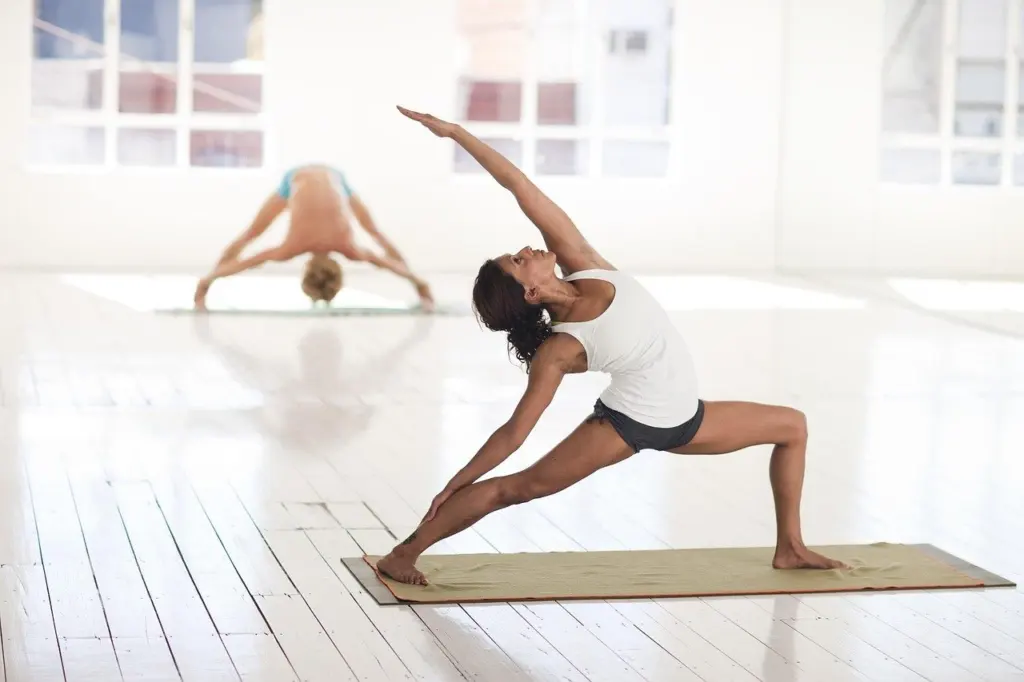
Each strength workout in that plan includes a warm-up and a cooldown, and Nourish Move Love’s routine ends with a comprehensive cool-down as well. Treat the cool-down as part of the session rather than an optional extra.
Weekly schedule
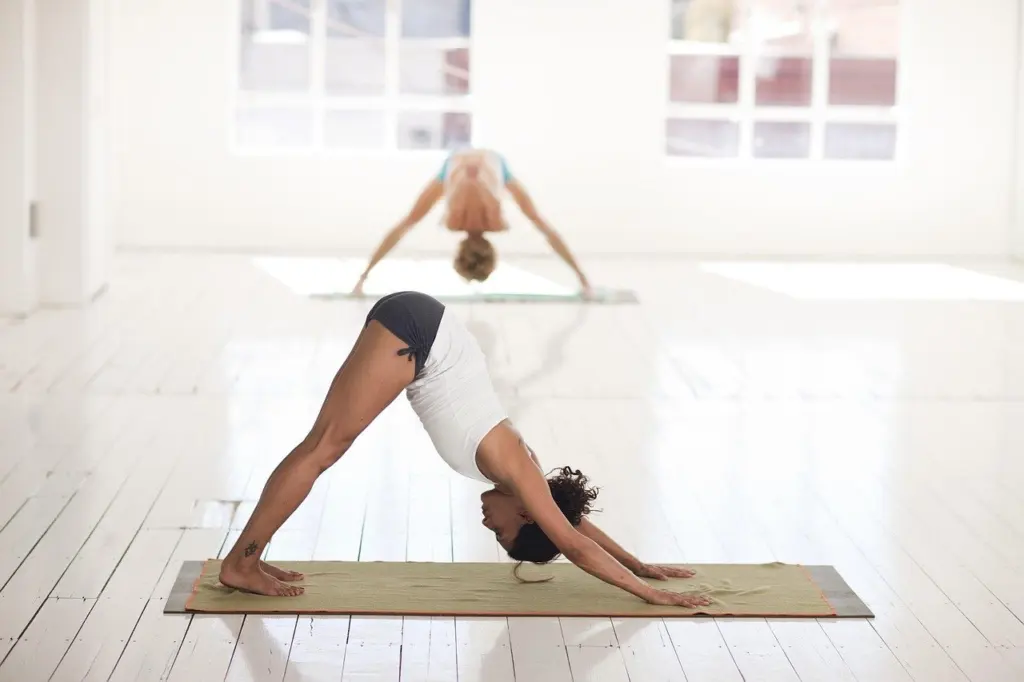
Nourish Move Love suggests adding weight training workouts like this to a home workout plan one to two times per week. Women’s Health describes beginner workouts that take between 20 and 45 minutes. Together these support a plan that fits the circuit around other activity rather than running it daily.
- Monday: full-body circuit session, starting with the mobility warm-up and finishing with the cool-down.
- Midweek: cardio at an effort of 5 or 6 on a 10-point scale, such as a brisk walk or an easy cardio session.
- Thursday (optional): a second circuit session if the first felt comfortable, keeping the two sessions apart with cardio or rest days between them.
- Weekend: easy movement or rest.
If you prefer to train early, The Perfect 20-Min Morning Workout Routine To Energize Your Day – Wholebodyreboot is a morning-slot option to alternate with this one.
Progression and modifications
Progress by changing one thing at a time. Women’s Health’s beginner plan advises that if you completed all the workouts in Week 1, you repeat them in Week 2 while adjusting one variable. By week four it suggests ramping up cardio time to 30 to 40 minutes, or speed.
Useful variables to adjust in this routine include:
- Load: move from bodyweight to dumbbells, or from lighter to heavier dumbbells. Nourish Move Love advises that anyone new to strength training start with lighter weights and follow the modifications offered.
- Impact: use single-leg deadlifts in place of skater hops while you build confidence, then bring the hops back.
- Balance demand: keep the staggered stance on single-arm rows until the balance version feels steady.
- Cardio duration or speed: extend the cardio days gradually, as the week-four suggestion above describes.
Change only one of these between sessions so you can tell what helped and what felt too much. If you want extra upper-body work with a band later, Resistance Band Shoulder Workout: 20-Min Plan For Stronger, Pain‑Free Shoulders (2026) – Wholebodyreboot is a natural add-on.
Frequently asked questions
Do I need equipment for a full-body workout at home?
No. Nourish Move Love’s guidance is that a session can be done at home with little or no gear. SELF’s routine lists a pair of moderate-weight dumbbells, with an exercise mat optional.
What weight of dumbbells should I use?
Nourish Move Love recommends dumbbells between 5 and 25 lb for a full-body circuit, depending on fitness level. That range is a span of options rather than a target, so pick the weight that lets you finish the work interval with good form.
How long should each session last?
SELF’s at-home routine takes less than 20 minutes including the warm-up. Women’s Health’s beginner plan uses workouts of 20 to 45 minutes, so a short session sits at the quick end of that range.
What if one side feels stronger than the other?
That is common, and SELF explains that single-arm and single-leg work is important for correcting strength imbalances, when one side is stronger than the other. Use the single-leg deadlift and single-arm row to work each side separately.