What is tai chi walking for seniors? It is the footwork of tai chi taught without a full form: slow steps that shift weight gradually onto each foot, which challenges balance. Practise near something sturdy.
If you are new to exercise altogether, the guide on how to start working out gives the wider picture. This page covers what tai chi walking involves, why it suits balance work, and how to practise it safely.
What tai chi walking is
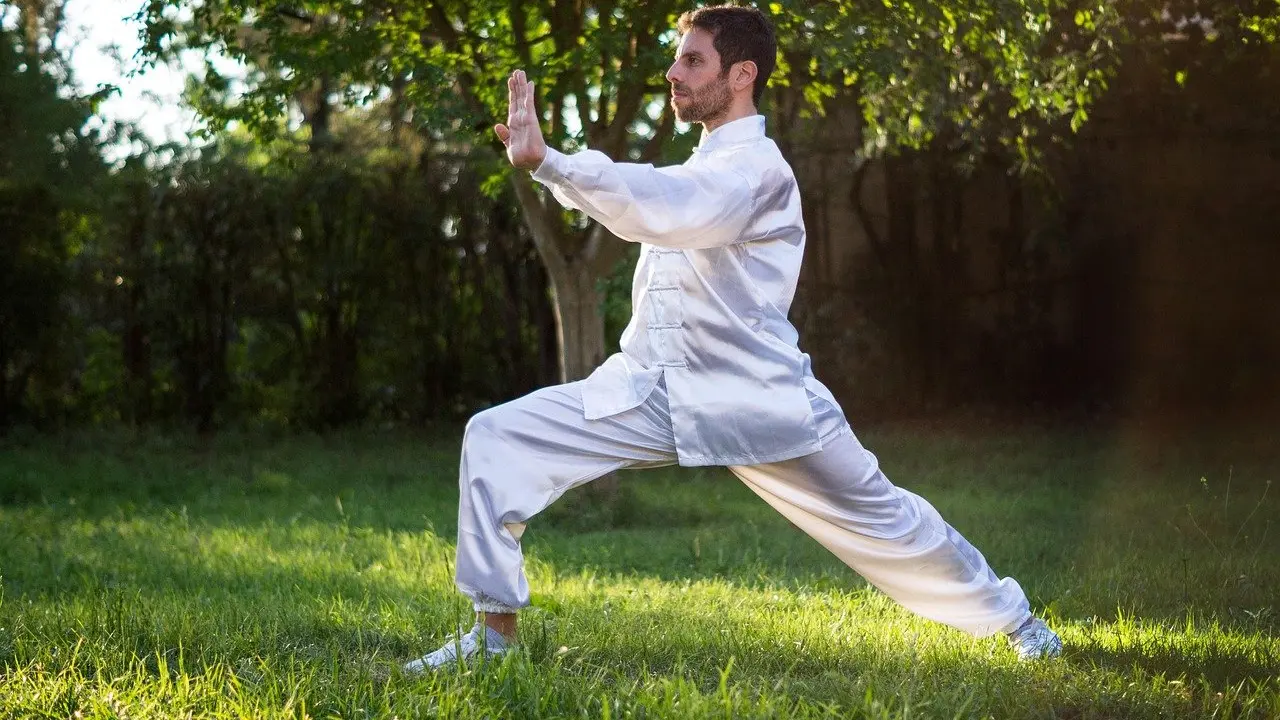
Tai chi walking is the footwork component of tai chi forms, so you can learn it without memorising a full form. All you need is a sidewalk, pathway or hallway. That makes it one of the more accessible ways to practise tai chi principles, with no class, equipment or choreography required.
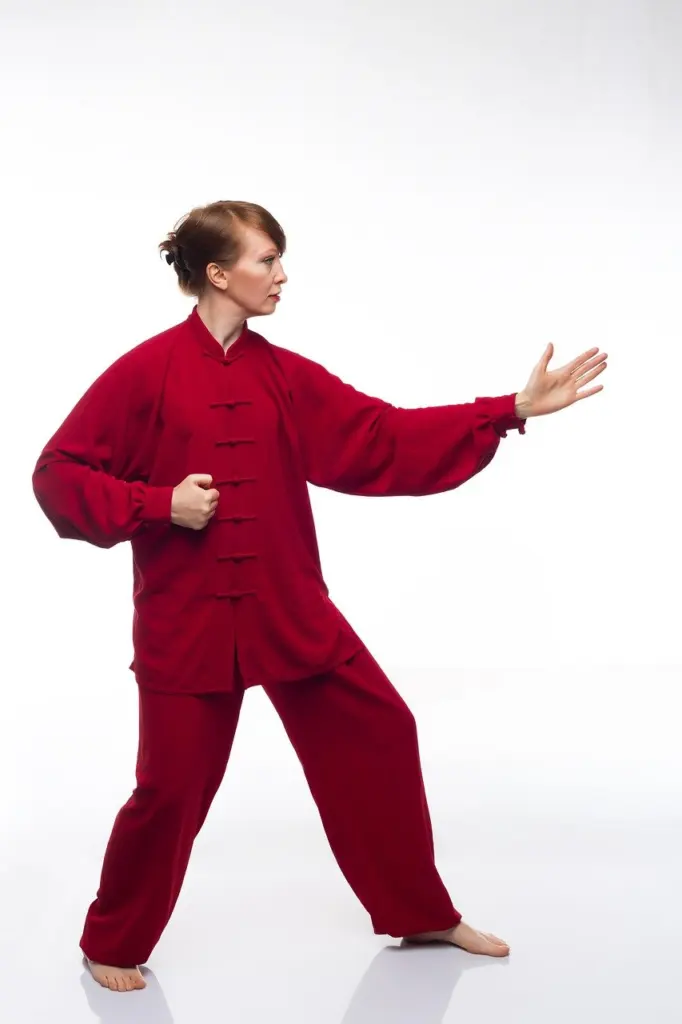
The difference from ordinary walking is speed and attention. Everyday walking moves you forward quickly without much thought. In tai chi walking you place your foot, then gradually shift your weight onto it. You also spend longer on each foot, and that longer single-foot stance is what challenges your balance.
The Tai Chi for Health Institute describes the practice as foundation training for weight transfer and balance skills. For an older adult, that framing is useful. You are not learning an art form. You are rehearsing the one skill every step depends on: moving your weight from one leg to the other under control.
How slow stepping builds balance
The mechanism comes down to time spent on one leg and the muscles that stabilise it. Harvard Health notes that the slow, controlled movements of tai chi walking engage the smaller muscles in the feet, ankles and lower legs, and those muscles help you stay upright. Fast walking gives them little chance to do that work.
A single step in tai chi walking breaks into clear stages:
- Place the foot. The forward foot lands lightly without taking your weight.
- Shift gradually. Your weight travels onto the placed foot at a pace you control.
- Settle on one leg. The institute describes mindfully shifting weight to one leg and establishing good balance before moving the other foot.
- Release and repeat. Only then does the back foot leave the ground and the sequence starts again.
The institute links this deliberate one-leg weight shifting to reduced fall risk. Treat that as the institute’s position on how the practice works, not a guarantee for any individual. The practical implication is that the benefit comes from slowness and attention. Hurrying through the sequence removes the very challenge that trains balance.
Safety setup before you start
Choose a surface you trust. A hallway is a good first choice because a wall sits within reach on one side. A quiet sidewalk or pathway works once you feel steady. Whichever you choose, keep the footing flat and even, the lighting good and the floor clear of rugs, cords and clutter.
Keep support close. Practise beside a sturdy chair, a countertop or a wall so you can touch it the moment you feel unsteady. Needing that touch is not a failure. It lets you attempt the weight shift with confidence rather than bracing against a fall.
Speak to your doctor or physical therapist first if you have dizziness, a history of falls, joint replacement, heart or lung conditions or recent injury. Stop if you feel new sharp pain or lightheadedness. Slow does not mean pushing through discomfort.
Step-by-step drills
Work through these in order. Move on only when the current drill feels steady and unhurried, and keep a hand near your support throughout.
Drill one: standing weight shift
Stand tall beside your support with your feet apart at a comfortable width. Slowly move your weight onto one leg, pause until you feel balanced, then slowly return to centre and shift to the other side. This is the core skill of the whole practice, so give it time before adding stepping.
Drill two: the empty step
Harvard Health describes starting by moving a foot forward and placing it flat on the ground without putting any weight on it. Hold that position for a moment. The back leg still carries you, which lets you feel the balance demand without committing to the step. Draw the foot back and repeat before switching sides.
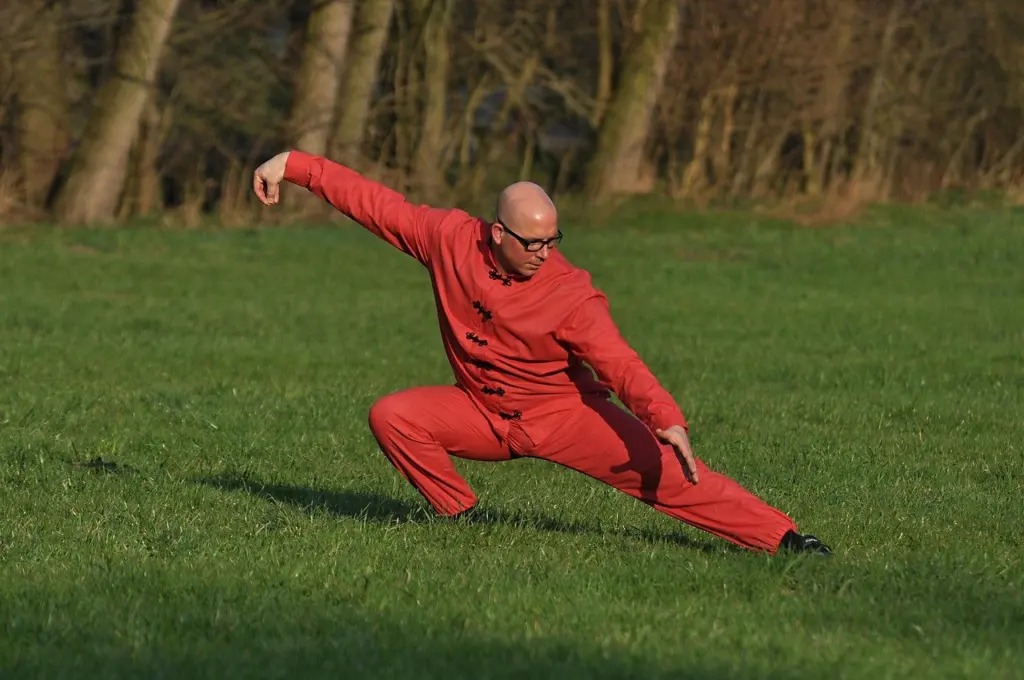
Drill three: the full step
Once the empty step feels easy, let your weight follow the foot. Instead of stepping forward quickly, place your foot and gradually shift your weight onto it. Settle, then let the back foot lift and come forward in the same slow way. Keep your gaze level and your breathing smooth.
Drill four: walking a short line
Repeat the full step along a hallway or short stretch of pathway, then turn around and come back. Short, calm passes beat one long, tiring walk. If you lose the rhythm, stop, return to drill one for a few shifts and start again.
Weekly practice schedule
The Tai Chi for Health Institute calls tai chi walking a daily exercise that needs only 5-10 minutes and can be done in segments. It also says that repeating a short segment through the day can bring quite significant health benefits. For most seniors, that points to a daily habit of short bouts rather than a single long weekly session.
| Pattern | What it looks like | Planning use |
|---|---|---|
| Daily short practice | 5-10 minutes, done in segments | Best default; attach it to a routine such as after breakfast |
| Repeated mini-segments | 5 to 10 one-minute segments across the day | Suits low energy, or anyone who tires quickly or gets unsteady when fatigued |
| Early days | Early drills only, near support | Builds confidence before the stepping drills |
The timing figures come from the Tai Chi for Health Institute; the pairing of drills with the early days is a practical progression rather than a published protocol.
A sensible week looks like this. Spend the first days on standing shifts and empty steps, add the full step and a short line once those feel steady, and keep every session short enough to finish fresh. Tai chi walking works the balance system gently, so it pairs well with other low-load activity. A joint-friendly cardio session such as the Low-Impact Cardio Workout: 20-Min Fat‑Burning Routine For Joint‑Friendly Fitness – Wholebodyreboot covers heart fitness, while a plan like the Full-Body Stretching Routine PDF: A Simple 10-Min Daily Plan To Boost Flexibility And Reduce Pain (Printable) – Wholebodyreboot covers flexibility.
Modifications for limited mobility
Harvard Health describes a simpler option that removes the forward and backward shift of your weight and keeps your feet parallel. This is the right starting point if stepping feels risky, if your knees or hips are stiff, or if you have trouble with stairs and uneven ground. You still practise controlled weight shifting, just side to side, without the added challenge of a stride.
Beyond that variation, adjust the practice rather than abandoning it:
- Keep a hand on support. A chair back or wall lets you practise the shift while you build trust in your legs.
- Make the movement smaller. A short placement and a modest shift teach the same pattern as a larger one, with less strain on painful joints.
- Slow down further. More time per shift gives your body longer to react and you more chance to correct.
- Rest freely. Segments can be brief, so sit whenever you need to and resume later.
Frequently asked questions
Will tai chi walking help me lose weight or build muscle?
Not in a dramatic way. Harvard Health calls claims that you can lose large amounts of weight or build bulging muscles with tai chi walking false. Treat it as balance and control training and keep expectations realistic.
Is it suitable if I have severe mobility limits or am recovering from injury?
The Tai Chi for Health Institute describes it as gentle movement for people with severe mobility limitations or recovering from injury. Confirm with your clinician first, then use the parallel-feet variation and keep support within reach.
What does dynamic balance mean?
The Tai Chi Foundation defines dynamic balance as the ability to maintain your balance while rotating your body in a circular manner without falling. Tai chi walking trains it because you keep moving while staying over your supporting foot.
Does tai chi offer benefits beyond balance?
AARP presents tai chi moves as a way to help improve balance, reduce stress and lower blood pressure. Treat that as general encouragement rather than a medical promise, and discuss blood pressure concerns with your doctor.