Whether you eat meat or rely on plants, the best iron rich foods are beef liver, fortified cereal, dark chocolate, spinach, tofu and beans. Pair plant sources with vitamin C-rich foods to absorb more.
Iron is one part of how to eat a balanced diet, so use the ranking below alongside your wider meal planning. Serving sizes differ between foods, so the milligram figures show what a typical portion supplies, not what your body will absorb.
Iron-rich foods ranked by iron per serving
Fortified breakfast cereal tops the list per serving, followed by dark chocolate and beef liver. Spinach, tofu, kidney beans and sardines supply smaller amounts that still add up across a day.
| Food | Serving | Iron | Share of Daily Value | Planning use |
|---|---|---|---|---|
| Fortified breakfast cereal | 1 serving | 18 mg | 100% | Easiest single-meal boost; check the label of the brand you buy |
| Dark chocolate | 3 oz | 7 mg | 39% | A useful extra, not a staple |
| Beef liver | 3 oz | 5 mg | 28% | Best heme iron source for meat eaters |
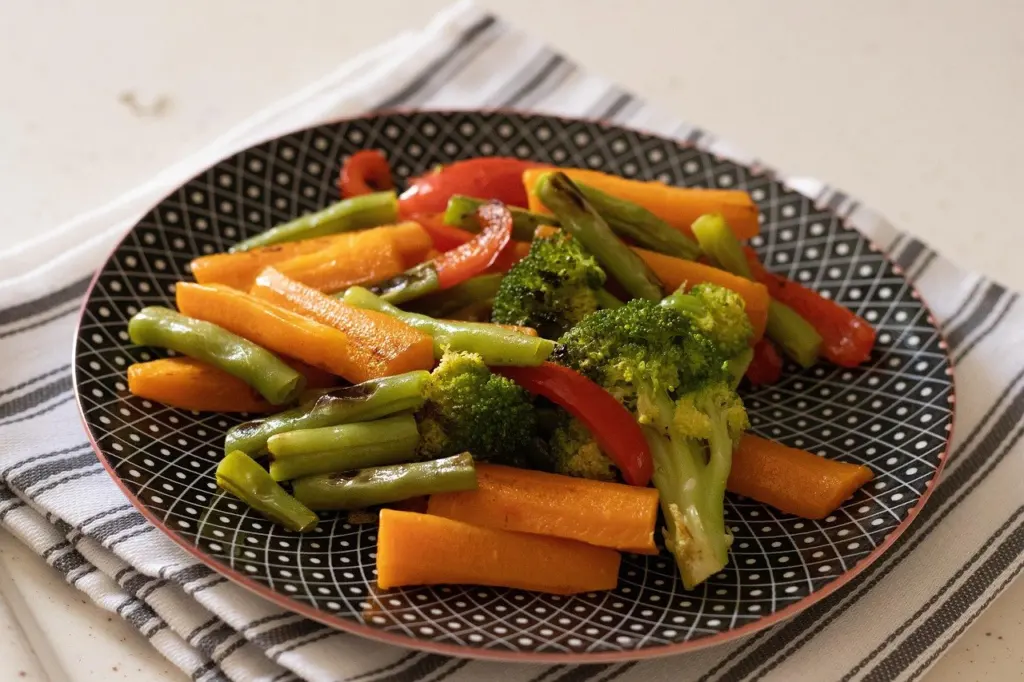
| Spinach, boiled | ½ cup | 3 mg | 17% | Pair with vitamin C-rich food |
| Firm tofu | ½ cup | 3 mg | 17% | Reliable plant protein with iron |
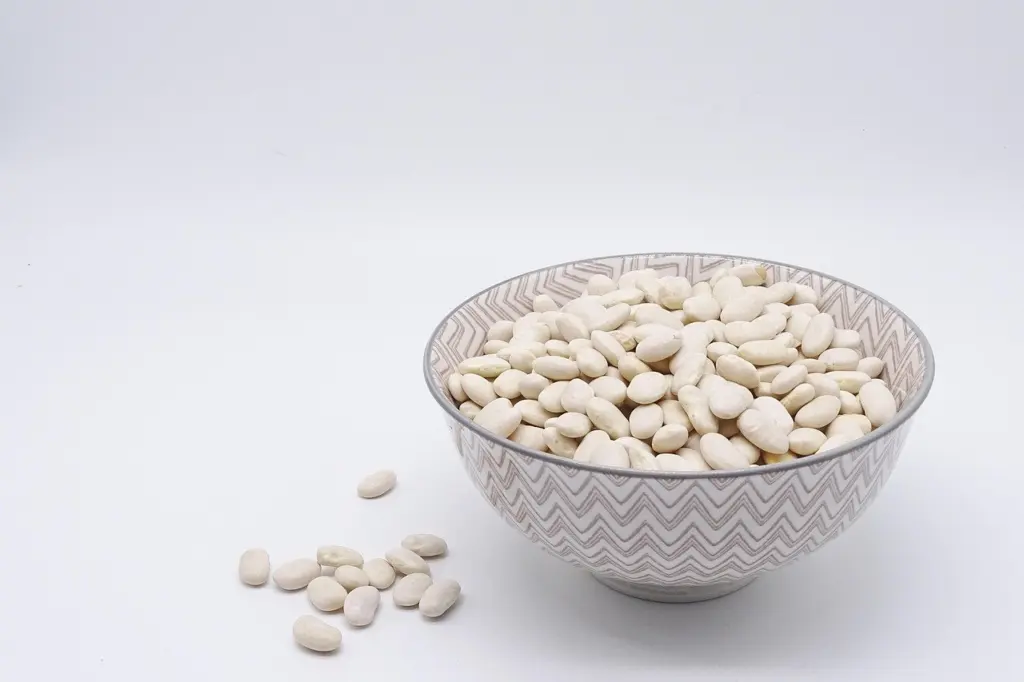
| Kidney beans | ½ cup | 2 mg | 11% | Cheap, easy to add to soups and salads |
| Sardines | 3 oz | 2 mg | 11% | Heme iron from a convenient tinned fish |
Figures come from the University of Hawaii’s Human Nutrition chapter on iron.
Heme iron from beef liver and sardines
Animal foods are the most efficient route to iron because a large share of their iron is heme iron. About 60 percent of the iron in animal-based foods is bound to hemoglobin, and the University of Hawaii nutrition text describes heme iron as more bioavailable than the nonheme form found in plants.
Beef liver gives 5 mg in a 3 oz serving, which makes it the strongest animal option on the list. Sardines give 2 mg for the same serving size, so they suit people who find liver unappealing but still want a fish-based source. Liver is a niche food for many households, so for everyday eating it works better as an occasional meal than a rule.
Meat has a second benefit for mixed eaters. The same chapter notes that unidentified compounds, probably in the muscle tissue of meat, poultry and fish, raise absorption of both heme and nonheme iron. A meal that combines a small portion of meat or fish with beans or greens therefore helps the plant iron on the plate too.
Fortified cereal and dark chocolate
Fortified breakfast cereal provides 18 mg per serving, which the University of Hawaii table lists as 100 percent of the Daily Value. That is the highest per-serving figure on the list, and it suits people who struggle to reach their target from whole foods alone. Because fortification is added by the manufacturer, read the nutrition label on the product you actually buy rather than assuming every cereal matches.
Dark chocolate supplies 7 mg in 3 oz, or 39 percent of the Daily Value, according to the same chapter. It is a pleasant addition for people who already eat it, but it is not a reason to start eating more chocolate, and it is not a replacement for legumes, greens or meat.
Plant sources: spinach, tofu and beans
Plant foods contain only nonheme iron, the form the University of Hawaii text calls the only iron source in plant-based foods. Boiled spinach and firm tofu each give 3 mg per half cup, and kidney beans give 2 mg per half cup, so a vegetarian plate can still contribute meaningfully when portions are generous.
The catch is absorption. Some plants contain phytate, oxalates, tannins and polyphenols, and these compounds inhibit iron absorption. The milligrams in a table therefore overstate what you take up, which is why preparation and pairing matter more for plant eaters than for meat eaters. Vegetarian diets in developed countries show iron bioavailability of 5 to 12 percent, compared with 14 to 18 percent for mixed diets, according to the same source.
For vegans the margin is thinner. The textbook states that vegans are at higher risk of iron deficiency but that careful meal planning prevents it from developing, so build every main meal around a legume or tofu and add a vitamin C source.
Absorption pairings for meat eaters and vegetarians
Vitamin C is the most practical lever for plant iron. Eating vitamin C-rich fruits and vegetables at the same time as iron-containing foods markedly increases iron absorption, as the University of Hawaii chapter explains. The key is eating them in the same meal, not later in the day.
If you eat meat
Keep portions modest and let the meat do double duty. A small serving of beef, poultry or fish beside lentils, beans or greens lifts the absorption of the plant iron as well as supplying heme iron itself. You gain little by piling on extra meat once your intake is adequate.
If you eat vegetarian or vegan
Put a vitamin C-rich fruit or vegetable on the plate with every legume, tofu or leafy green dish. Treat the inhibitors as a reason for planning, not for avoiding beans and greens, which remain your main iron sources.
How much iron you need each day
The recommended dietary allowance depends on age and sex, and women of reproductive age need more than twice what men do. The figures below come from the University of Hawaii Human Nutrition text.
- Adult men aged 19 to 50: 8 mg a day.
- Adult women aged 19 to 50: 18 mg a day.
- Adults over 50: 8 mg a day.
- Adolescents aged 14 to 18: 11 mg a day for males and 15 mg a day for females.
- Children: 7 mg a day at 1 to 3 years, 10 mg at 4 to 8 years and 8 mg at 9 to 13 years.
- Infants aged 6 to 12 months: an adequate intake of 11 mg a day.
Adults have a tolerable upper intake level for iron. That is a ceiling for safety, not a target to aim for. Pregnancy also raises the recommendation: the NIH Office of Research on Women’s Health lists iron among the nutrients with higher intake recommendations during pregnancy.
Your own needs depend on more than a table. The American Red Cross notes that the amount of iron your body needs depends on age, gender, body type and genetics. The NIH also notes that celiac disease damages the small intestine and impairs absorption of folate, vitamin B12 and iron, so people with that diagnosis may need extra attention to iron.
Building iron into the rest of your diet
Iron is only one nutrient to track. If you are planning meals around several, foods high in omega 3 cover fats your body needs, and calcium rich foods non dairy show how to reach another mineral target without milk. Each guide sits comfortably alongside the iron ranking above.
Decision checklist
- Check your target. Find your age and sex in the allowance list, and allow for pregnancy or a condition such as celiac disease.
- Choose a base. Meat eaters can use liver, beef or sardines; plant eaters should build meals around tofu, beans and cooked greens.
- Add vitamin C. Serve a vitamin C-rich fruit or vegetable in the same meal as each plant iron food.
- Use fortified cereal strategically. Read the label and use it where whole foods leave a gap.
- Review after a few weeks. If tiredness or other symptoms persist despite a good diet, speak to a health professional rather than increasing doses yourself.
Frequently asked questions
Does tea affect iron absorption?
Yes. Tea contains tannic acid and polyphenols, both of which impair iron absorption, so drinking it with an iron-rich meal works against you, according to the University of Hawaii nutrition text.
What does iron do in the body?
Iron is a component of hemoglobin, which carries oxygen, and the body stores some in the bone marrow, liver, spleen and skeletal muscle. Iron deficiency is the most common of all micronutrient deficiencies, according to the same chapter.
Should I take an iron supplement instead of changing my diet?
Not by default. The American Red Cross says food alone may not be enough to raise iron levels and supplements might be required, so a health professional should decide. Supplements can cause nausea, constipation, diarrhea, vomiting and abdominal pain, and in children death has occurred from ingesting as little as 200 mg of iron, so store them out of reach, as the University of Hawaii text warns.
Can vegans get enough iron from plants alone?
Yes, with planning. Vegans are at higher risk of iron deficiency, but careful meal planning does prevent it from developing, according to the University of Hawaii nutrition chapter.