
What does walking do for the body? Brisk walking strengthens the heart, lowers blood pressure and blood glucose, builds stamina and supports bone strength. The main condition is regularity and a brisk pace, built up gradually.
If you are new to exercise in general, this guide to how to start working out places walking inside a wider beginner routine. The sections below follow the body system by system, then turn the evidence into a simple start plan.
Heart, circulation and blood pressure
Walking acts first on the cardiovascular system. The NHS says walking briskly can help build stamina, burn excess calories and make the heart healthier. Brisk walking is an aerobic activity, so the heart and circulation do the work. That is why the effects show up most clearly in heart and blood pressure measures.
Heart disease and stroke risk
The Victorian Government’s Better Health Channel lists reduced risk of heart disease and stroke among the benefits of regular walking. It gives no percentage, and that is worth respecting. Walking lowers risk as part of a pattern that includes diet, sleep and not smoking. It does not cancel risk on its own.
Blood pressure
Two sources agree on direction. The American Diabetes Association says blood pressure decreases with regular aerobic walking. The Better Health Channel lists improved management of hypertension (high blood pressure). The Arthritis Foundation adds a study figure. Post-menopausal women who walked briskly for one to two miles a day lowered their blood pressure by nearly 11 points in 24 weeks.
Treat that figure as an example of what is possible, not a promise. It describes one group, a daily walking habit and a half-year timeframe. Many people will see a smaller change, and it will take longer if walks are occasional. If you already manage high blood pressure, regular walking is a sensible addition to your plan. It should not replace the advice you have from your clinician.
Blood sugar, energy use and weight
Muscles use fuel during a walk, and the effect reaches blood sugar. The American Diabetes Association lists lower blood glucose levels and improved insulin sensitivity among the benefits of regular aerobic activity such as brisk walking. The result is that a walking habit helps the body handle glucose, not just burn energy while you are moving.
Walking also uses calories. According to the Arthritis Foundation, a brisk walk burns calories and can aid weight management. That is useful but modest on its own. Walking works best as a steady daily contribution to weight management rather than a quick fix. Its main strength is that most people can repeat it day after day without much recovery time.
Harvard Health describes a study in which the effects of weight-promoting genes were cut in half among participants who walked briskly for about an hour a day. Read that as evidence that walking can offset part of an inherited tendency, not as a target. An hour a day is well above the amounts most guidelines use as a starting point. The same Harvard Health piece is a useful reminder that walking reaches beyond the heart and muscles: Harvard Health’s summary of walking benefits covers them.
Stamina, bones and everyday fitness
The Better Health Channel states that just 30 minutes of walking every day can increase cardiovascular fitness and strengthen bones. Stamina is the benefit people notice first, because stairs, carrying shopping and longer walks start to feel easier. Bone strength builds more quietly, so it is a good reason to keep a habit going once the early novelty fades.
The practical point is that walking improves the general fitness that every other activity relies on. Someone who adds a daily brisk walk usually finds other exercise more manageable, including the strength sessions covered below.
How much walking you need
There is no single number, because the official guidance is worded differently. Some sources count minutes, some count steps, and some set a weekly total. The table brings the main benchmarks together so you can choose one measure and stick with it.
| Measure | Value | Planning use |
|---|---|---|
| Brisk walking for health benefits | At least 30 minutes on most days | The core daily habit to work toward once walks feel comfortable |
| Weekly exercise guidance (adults aged 19 to 64) | 150 minutes a week; walking counts toward it | Use as a weekly total if your days vary |
| Daily steps for health benefits | 10,000 steps or more | A step-based alternative if you prefer counting to timing |
| What counts as brisk | About 3 miles per hour, faster than a stroll | Check that your pace is more than a casual wander |
Figures are from the Better Health Channel and the NHS.
Choose either minutes or steps rather than tracking both. Minutes suit people who walk to a routine, such as a lunch break. Steps suit people whose days vary, because every errand adds to the total. The Better Health Channel notes that a pedometer measures the number of steps you take, so a cheap pedometer or a phone is enough to show your current level. Begin from that baseline instead of jumping straight to 10,000 steps.

Where walking fits in a weekly routine
Walking is enough for a large part of what most people want from exercise. The NHS says it counts toward the 150 minutes of weekly exercise recommended for adults aged 19 to 64. The Better Health Channel links daily walking with fitness and bone strength. For heart health, blood pressure and blood glucose, a regular brisk walking habit is a sound foundation.
Walking is less targeted if you want to shape or strengthen particular muscles. In that case, pair it with short resistance sessions on other days. The Upper Body Resistance Band Workout: 20-Min Strength Routine For Stronger Arms, Back & Shoulders (2026) – Wholebodyreboot covers the upper body. The Tone Your Legs Anywhere: A 30-Minute Lower-Body Resistance-Band Workout (No Gym Needed) – Wholebodyreboot covers the lower body. Both need only a band, so they slot easily around daily walks.
A simple walking start plan
The American Diabetes Association calls walking one of the easiest activities to start with, with a low risk of injury. These five steps turn that into a routine.
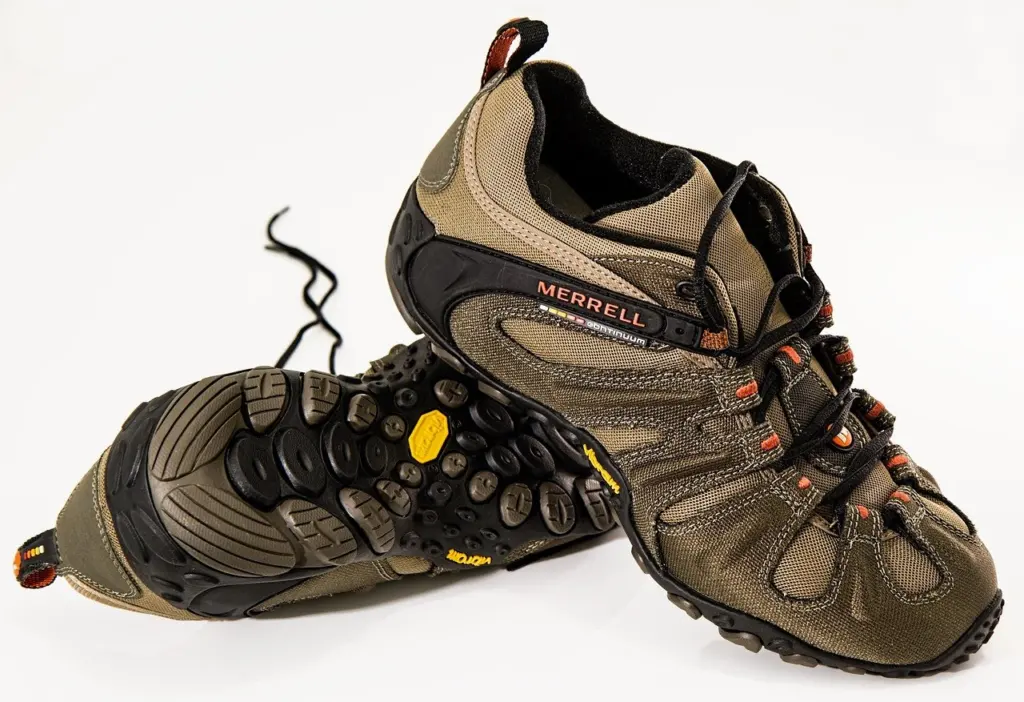
- Choose comfortable shoes. The Better Health Channel advises shoes that are comfortable, with appropriate heel and arch support. Sort this out before anything else, because discomfort is the quickest way to abandon a new habit.
- Start at your current level. If you are not very active, the NHS advises increasing your walking distance gradually. A short walk you repeat is worth more than a long one you dread.
- Split the walk if you need to. If 30 minutes feels too long, the American Diabetes Association suggests two 15-minute or three 10-minute walks during the day. The Better Health Channel also describes regular 10-minute bouts three times a day. Short walks tied to existing moments, such as after a meal or before work, are easier to keep.
- Pick up the pace. Once distance feels easy, walk faster than a stroll so the effort becomes brisk. Brisk walking is the version linked with the heart and blood pressure benefits above.
- Build toward a weekly target. The American Diabetes Association suggests building up to five 30-minute walks each week. Treat it as a destination reached over time, not a day-one requirement.
Frequently asked questions
What should I do about my blood glucose when I start walking?
If you monitor blood glucose, the American Diabetes Association advises checking it both before and after you walk, especially when you are starting out or increasing intensity.
Does regular walking affect how often people get sick?
One study reported by Harvard Health found 43% fewer sick days among people who walked at least 20 minutes a day, at least 5 days a week. It is a single study and shows an association, so treat it as an encouraging extra rather than a guarantee.
Do I need a medical check before starting?
The Better Health Channel advises a medical check-up before embarking on a higher-intensity new fitness program, particularly for people over 40, people who are overweight and people who have been inactive for a long time. Gentle walking is a lower-intensity start, but if you are unsure, ask your doctor first.