Learning how to drink more water when you dont like it comes down to a few levers: serve it at room temperature or lightly flavored, tie sips to routines you already have, and treat fluid targets as a guide.
Water works best as one piece of a daily routine, so it helps to know how to build healthy habits before adding more rules.
Why plain water is hard to keep drinking
Disliking plain water is usually a flavor, temperature or routine problem, and each of those can be changed. Thirst is a weak driver for some people, so a plan that waits until you feel thirsty often fails.
Harvard’s Nutrition Source notes that some people cannot rely on thirst alone and need a structured pattern of drinking instead. It also cites a Cochrane review finding that commonly used indicators of dehydration in older adults are not effective when used alone, so “I don’t feel thirsty” is not proof of being well hydrated. You can read the full discussion on the Harvard Nutrition Source water page.
That shifts the job from willpower to design. Make the drink more appealing, make it visible, and attach it to something you do anyway. The sections below follow that order: how much to aim for, taste fixes, preparation, routines, other drinks, and when to get medical input.
How much fluid you actually need
The National Academy of Medicine’s adequate intake is about 13 cups a day for healthy men and about 9 cups for healthy women, with 1 cup equal to 8 oz. Needs differ by age, pregnancy and breastfeeding, as the table shows.
| Group | Adequate daily fluid intake | Planning use |
|---|---|---|
| Children 1-3 yrs | 4 cups (32 oz) | Caregiver-led; use it as a rough daily picture, not a target to force. |
| Children 4-8 yrs | 5 cups (40 oz) | Spread across the day rather than in one sitting. |
| Children 9-13 yrs | 7-8 cups (56-64 oz) | The range leaves room for differences in size and activity. |
| Teens 14-18 yrs | 8-11 cups (64-88 oz) | The upper end suits more active teens. |
| Women 19 and older | 9 cups (72 oz) | A baseline for healthy adult women. |
| Men 19 and older | 13 cups (104 oz) | A baseline for healthy adult men. |
| Pregnancy | 10 cups (80 oz) | Pregnancy is a higher-priority group for hydration, so raise questions with your provider. |
| Breastfeeding | 13 cups (104 oz) | Keep a drink within reach at feeding times. |
These are the adequate daily fluid intakes summarized by Harvard’s Nutrition Source, which also stresses that the amounts are a general guide rather than a daily target.
Treat the table as a range to work toward gradually. Harvard notes that higher amounts may be needed with physical activity, very warm climates, fever, and fluid loss from vomiting or diarrhea. If you hate water, a daily number you miss by a little is far better than a rule you abandon.
If you prefer a body-weight shortcut, the National Council on Aging gives a rule of thumb: take one-third of your body weight in pounds and drink that number of ounces of fluid, so 150 lb means at least 50 oz. Because it says “at least”, read it as a floor and use the table for the fuller picture; the NCOA hydration guide sets out the rule. For context, University of Queensland public health writers put normal adult water turnover at about 4% of body weight per day, or about 2.5-3 L for a 70 kg adult, excluding sweat, in their guide to staying hydrated without plain water.
Taste fixes you can try today
Start with temperature, then add flavor. Harvard reports that people tend to drink the most water when it is served at room temperature, so an ice-cold glass is not automatically the best choice for you. Try the same water at room temperature for a few days before changing anything else.
If plain water still falls flat, pick one of these and stay with it long enough to judge it:
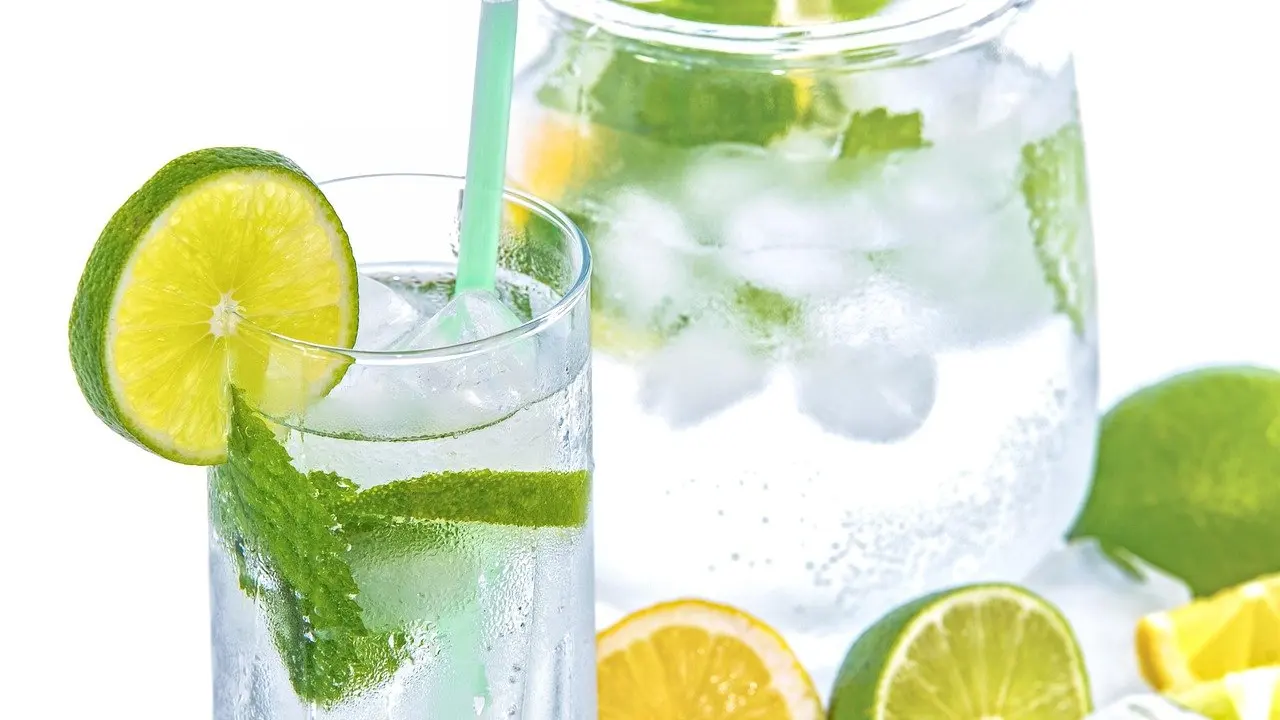
- Citrus slices. NCHPAD suggests a slice or two of lemon, lime, grapefruit or orange in a glass or bottle. It suits anyone who wants a sharp, clean taste without any sweetener; see their tips for people who hate water.
- Cucumber, apple or berries. The NCOA also lists apple, cucumber and berries alongside lemon. These are milder than citrus, which helps if sourness puts you off.
- Sparkling mineral water. The University of Queensland guide calls it fine as long as there is no added sugar or sweeteners. It suits people who miss the fizz of soda; check the label before you buy.
- Cold-brewed tea. NCHPAD says cold-brewed herbal or other tea works as well as hot tea, though it takes longer to steep. Make it ahead rather than on demand.
Change one thing at a time. If you add fruit and fizz and a new bottle together, you cannot tell which fix helped, and you may drop all of them at once.
Infused water you prepare ahead
Infused water is easiest when you make it once and pour from it all day. The University of Queensland guide suggests infusing a chilled jug overnight, and says the fruit will stay fresh for about three days in the fridge.
That three-day window sets a sensible batch size. Make a jug you expect to finish within that time, and start fresh rather than topping up old fruit. A ready jug also removes the decision at the moment you would otherwise skip a glass.
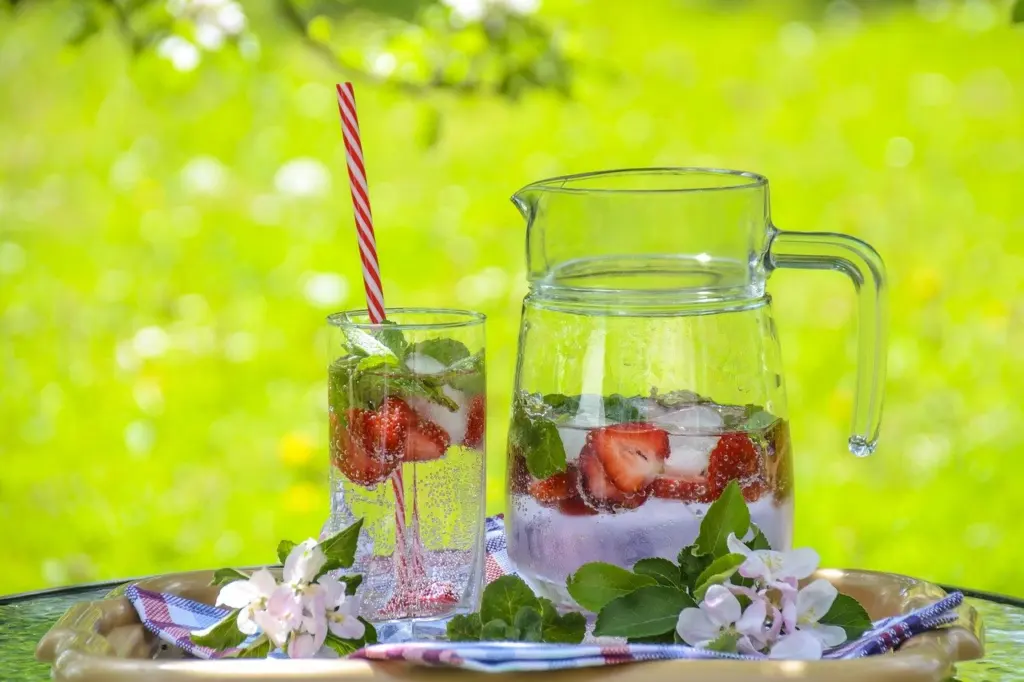
If a flavor you chose starts to bore you, swap the fruit instead of giving up on the jug. The routine is the useful part; the fruit is replaceable.
Habit stacking and a reusable bottle
Habit stacking means attaching a glass of water to something you already do every day. It works for people who dislike water because the cue, not your mood, starts the drink. Build it in this order:
- Choose fixed moments. The NCOA suggests a glass of water when you wake up, after every meal, and before and after exercise. Pick one or two of these, not all of them at once.
- Keep a reusable bottle in sight. NCHPAD advises carrying a reusable water bottle with you throughout the day and setting reminders. A bottle you can see does the job of a prompt.
- Add structure if thirst is unreliable. Harvard suggests aiming to fill a 20-ounce water bottle four times daily and sip throughout the day. This is a pacing tool for people who do not feel thirst, not a requirement for everyone.
- Link it to a routine you already keep. If you follow a plan like the one in Self-Care Routine That Actually Works: A Practical 2026 Plan To Feel Calmer, Sleep Better, And Boost Energy – Wholebodyreboot, a glass at the start or end of that block costs no extra effort. A daily writing habit, such as the one in Start Journaling Today: A Simple 7-Day Plan For Beginners To Build A Lasting Habit – Wholebodyreboot, makes an equally good anchor.
Expand only when the first anchor feels automatic. If you skip a day, resume at the next cue rather than trying to catch up. The Harvard guidance on sipping steadily is also the safer pattern, as the next section explains.
Other drinks, electrolytes and limits
Yes, other drinks count. The NCOA notes that all sources of fluids, including drinking water, food and beverages, are counted in the intake recommendations. Whether coffee and tea count is where sources differ.
Harvard says caffeinated beverages including coffee and tea can contribute to total daily water intake, while noting that caffeine intake over 180 mg a day may raise short-term urination. The NCOA takes a stricter line, saying coffee and tea can have a slight dehydrating effect and should not be counted. A practical middle path is to treat them as a bonus on top of water, infused water and sparkling water, not as your main fluid. For alcohol, Harvard’s advice is to take it with food and sips of water.
Electrolytes matter mainly at the extreme end. Harvard explains that drinking a large amount of fluid in a short time, faster than the kidneys can excrete it, can lead to hyponatremia, a dangerous drop in blood sodium. Very physically active people such as triathletes and marathon runners are at risk because they lose sodium through sweat. For most people trying to drink more, the lesson is to spread fluid across the day instead of forcing a large volume at once. If you sweat heavily during long exercise, ask a provider or sports dietitian how to handle fluids and sodium.
When to talk to a provider
Talk to a provider if you have tried taste fixes and routines and still cannot drink enough, or if your health situation changes how much fluid you need. Harvard notes that symptoms of dehydration may occur with as little as a 2% water deficit, so waiting for obvious trouble is not a good plan.
The NCOA says medications and conditions such as cystic fibrosis can change fluid needs, and recommends asking your doctor how much you should drink daily. The University of Queensland guide names babies, young children, pregnant women and older adults as the highest priority groups for hydration. Older adults deserve extra attention: the NCOA cites a UCLA study finding that up to 40% of elderly people may be chronically underhydrated, and the Cochrane finding above means a person’s own sense of thirst may not flag the problem.
If you are caring for someone in one of these groups, a scheduled drinking routine and a conversation with their clinician beat waiting for them to ask for a drink.
Frequently asked questions
Does food count toward my fluid intake?
Yes. Harvard’s Nutrition Source reports that about 20% of total water intake comes from water-rich foods rather than beverages, so meals contribute to your daily total alongside what you drink.
How can I tell whether I am drinking enough?
Check your urine color. The NCOA says pale, clear urine suggests you are likely well hydrated, while dark amber or brown can suggest possible dehydration. It is a rough check, so raise persistent concerns with a provider.
Is plain water better than flavored options?
Plain water is calorie-free and as easy to find as the nearest tap, according to Harvard. Fruit slices keep those advantages while making it easier to drink, so flavoring with whole fruit is a reasonable compromise if plain water is the sticking point.