How to get toddler to drink more water comes down to offering it often, in a cup your child likes, without pressure. Most toddlers need some plain water each day on top of their milk.
Water is easiest to establish as one small piece of a daily rhythm, which is the idea behind how to build healthy habits. The sections below cover why toddlers refuse plain water, how much to aim for, which routines and cups help, and which signs mean a doctor should hear about it.
Why toddlers turn down plain water
Toddlers usually skip water because other drinks are more appealing or because water is not in front of them at the right moment. Solid Starts notes that regularly drinking juice and soda decreases a toddler’s motivation to drink water. A child who has learned to expect sweet drinks will often push plain water away, even when thirsty.
Availability matters as much as taste. In a collection of parent tips, BabyCenter describes a parent who always leaves a sippy cup with water where the child can reach it. A cup that is visible and within reach turns drinking into something the child can do alone, instead of a request that depends on a parent remembering.
It is worth the effort. BabyCenter points out that water hydrates, helps regulate body temperature and helps prevent constipation and urinary tract infections, all without calories or sugar. Understanding the cause of a refusal tells you which fix to try first: cut back on sweet drinks, make water visible, or change the cup.
How much water a toddler needs
Toddlers need a modest amount of plain water daily in addition to milk, and the amount rises with age, heat and activity. Published figures differ in how they are framed, so treat them as ranges rather than a target to hit exactly.
| Age | Daily water amount | Planning use |
|---|---|---|
| 12 to 24 months | At least 8 fl oz (240 mL), up to 32 fl oz (960 mL) | Treat the lower figure as the minimum to offer; move toward the upper figure on very active or warm days. |
| 2 to 5 years | At least 8 fl oz (240 mL), up to 40 fl oz (1000 mL) | Same minimum, with more room on hot or busy days. |
| Ages 1 to 3 (overall guideline) | 4 cups per day | A single daily guideline for this age band, useful if you prefer cups to ounces. |
| Ages 4 to 8 | 5 cups per day | Shows how the guideline steps up for older siblings. |
The ounce ranges come from Solid Starts, which describes them as water offered at minimum after 12 months, and the cup guidelines come from Children’s Wisconsin.
The upper figures are ceilings for very active or warm days, not daily goals. If your toddler reaches the minimum and has plenty of wet diapers, you are in a reasonable place. Ask your pediatrician about a different amount if your child has a medical condition or you are unsure.
Building a water routine in stages
Routines work better than one-off tricks because toddlers drink when water is part of what already happens in the day. Work through these stages in order and move on only when the earlier one feels automatic.
- Make water visible. Keep a filled cup where your toddler can reach it, as the parents quoted by BabyCenter do. Refill it when it is empty so it never looks like a chore.
- Ask for a small sip. One parent in the same collection asks for five sips, which feels achievable to a toddler and often leads to more.
- Add a timed reminder. Solid Starts suggests setting a phone or watch timer to go off every 90 minutes, then taking a few sips together. Drinking alongside your child turns it into a shared moment.
- Attach water to anchor points. A morning cue is easy to remember, and the same logic runs through How To Build A Morning Routine That Actually Sticks: A Simple 2026 Blueprint – Wholebodyreboot. Pair the first cup of the day with something your toddler already does.
- Protect the evening. If water requests drift into grazing before bed, the plan in Break The Bedtime Munchies: How To Stop Snacking At Night — A Practical Plan For Better Sleep And Weight Control – Wholebodyreboot helps keep the evening settled.
Keep the tone light throughout. A toddler who feels pushed tends to resist, so the cup should be offered, not demanded. The next question is which cup suits your child.
Choosing a cup your toddler will use
The right cup is the one your toddler will pick up. Solid Starts says the best toddler cup or water bottle is easy to hold, easy to clean and ideally spill-proof, and those three tests apply whether you choose a sippy cup, straw cup or open cup.
- Sippy cup. A good fit for leaving water within reach around the house, because a spill-proof design lets a toddler carry it without a mess.
- Straw cup. Solid Starts notes that toddlers are drawn to the new and unexpected, and it mentions squiggly straws as one way to make drinking more interesting.
- Open cup. Judge it by the same tests: a size and weight your child can hold, and a design that is easy to wash. Offer it next to a spill-proof option so your toddler can choose.
- A special bottle. The same article describes a dedicated bottle that gives a toddler a sense of ownership, which can make water feel like the child’s own choice.
If a cup sits untouched, change the cup before blaming the water. Rotating between two or three designs is a simple way to find a favourite without turning the choice into a contest.
Flavoring water safely
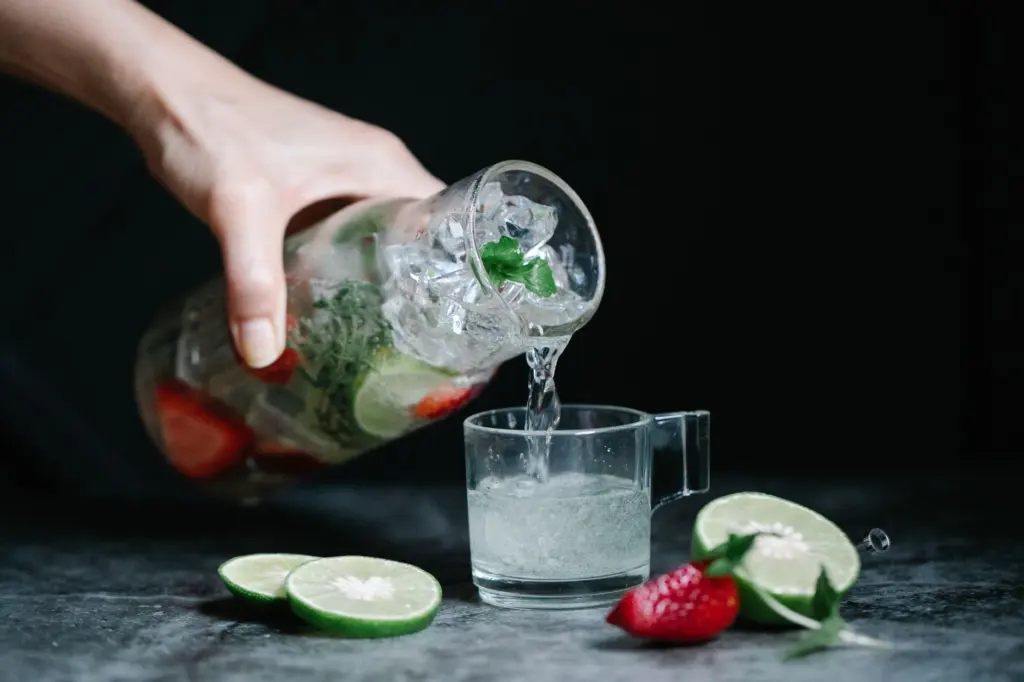
Fruit-infused water is a safe way to add interest because it relies on whole ingredients and no added sugar. Children’s Wisconsin lists natural options including citrus slices, berries, cucumber with mint, and watermelon with basil. A hydration guide from a water brand suggests slicing strawberries, oranges, lemons or cucumbers as a sugar-free alternative to sweet drinks.
Choice makes it work better. Solid Starts suggests letting a toddler choose a mix-in such as mint, lime or cucumber, fresh or frozen. Letting your child drop the fruit into the cup gives the child a say and makes the water something to look forward to.
Keep the flavoring light and fresh. The goal is to make plain water more interesting, not to recreate juice. Flavored water made from real fruit, herbs or cucumber suits toddlers well, while sweet drinks work against the habit, as noted earlier.
Dehydration signs and when to call a doctor
Check hydration by looking at output and behavior, not only at how much a toddler drank. Solid Starts says toddlers typically produce 4 to 6 full, wet diapers every 24 hours, so a clear drop from your child’s usual pattern deserves attention.
Possible signs of dehydration
- Behavior and energy. Lower energy, fussiness or excessive sleepiness.
- Output. Fewer wet diapers or less urination, and dark urine. Children’s Wisconsin adds that for urine, the clearer, the better.
- Mouth and eyes. A dry mouth, few or no tears, or sunken eyes.
- Older-child clues. Headaches, dizziness or a dry, sticky mouth or lips can also show up with mild to moderate dehydration.
When to act
Solid Starts describes not peeing for 12 hours or more as a warning sign, while Children’s Wisconsin lists not urinating for 8 or more hours as a reason to go to the emergency department. Do not wait for the longer window: if your toddler has gone 8 hours or more without urinating, seek urgent care.
Children’s Wisconsin also lists serious signs that need emergency care: a fast heartbeat or fast breathing, no tears when crying, no sweat when playing, and lethargy or confusion. Sunken eyes or a soft spot in infants also appear on that list. Call your pediatrician about any of these signs, or if your toddler is refusing fluids while unwell.
Frequently asked questions
Do milk and formula count toward my toddler’s fluids?
Yes. Solid Starts notes that breast milk and formula still count as sources of hydration, but water should be offered in addition to milk feeds rather than replaced by them.
Should I pressure my toddler to finish a cup?
No. Solid Starts advises honoring thirst cues and not pressuring a toddler to drink more. Keep offering water calmly and let the routine do the work.
Is sparkling water okay for toddlers?
Occasional sparkling water is fine, according to Solid Starts. Carbonated drinks can cause bloating, gas and reflux, which usually pass within a couple of hours, so plain water is the better everyday choice.
Does my toddler need a sports drink or Pedialyte?
Usually not. Children’s Wisconsin says about 95% of kids do not need sports drinks. For illness with fluid loss, or intense training in heat, it suggests child-appropriate options such as Pedialyte or diluted electrolyte powders, used sparingly.