
| Step | Time and condition | Linked outcome | Planning use |
|---|---|---|---|
| Morning block | About 15 minutes; three activities of 5 minutes each | A small habit that is easier to keep, which improves the odds of success | Use as the anchor of the routine on busy days |
| Breathing exercise | A short exercise at the start of the day | A calm and collected start | Make it the first block when you are rushed |
| Gentle movement | Stretching or light physical activity | Eases tension, boosts energy, and can help focus, stress and mood | Choose it when energy or mood is low |
| Evening reflection with a restful activity | Reading or gentle stretching in the evening | Helps you slow down and let go of the day | Use it as the cue that the day is over |
| Reminders | Calendar entries or phone alerts | Supports building the habit | Schedule each block before the week starts |
Figures and effects in the table come from Alvarado Therapy and Chicago Counseling and Therapy, which describe these outcomes in general terms rather than as measured effect sizes.
A good self care routine is short and repeatable: about 15 minutes in the morning, a calm evening wind-down, and reminders that keep both going. Easy routines you actually keep beat ambitious ones you abandon.
This plan is one piece of a bigger system, so if you want the wider picture, read about how to build healthy habits across the whole day.
What counts as self-care
Self-care is any activity that supports your mental, emotional and physical health, as one self-care guide puts it. That breadth is what makes a routine practical. You can mix a breathing exercise for the mind, a few lines of reflection for your emotions and some movement for the body, instead of waiting for a single large treat.
Alvarado Therapy says consistent self-care can reduce stress, increase happiness and improve well-being, and that small consistent habits make self-care easier to prioritise. The guidance is qualitative, so expect gradual gains in how calm, rested and energised you feel rather than a fixed result by a fixed date.
The sections below follow the day in order: morning, a midday stress break, the evening wind-down, a plan for short days, and a way to keep it going.
Morning routine for busy days
Start with about 15 minutes. Alvarado Therapy suggests carving out that time each morning and picking three activities to do for 5 minutes at a time. Fixed, small blocks remove the daily decision about how much to do, which is usually what derails a busy morning.
Choose your three blocks
- Breathing: Chicago Counseling and Therapy notes that even a short breathing exercise can help you start the day calm and collected. It suits people who wake up already tense.
- Movement: wellness author Kris Carr says that even with only five minutes you can do some squats. Floor stretching is an equally low-effort option.
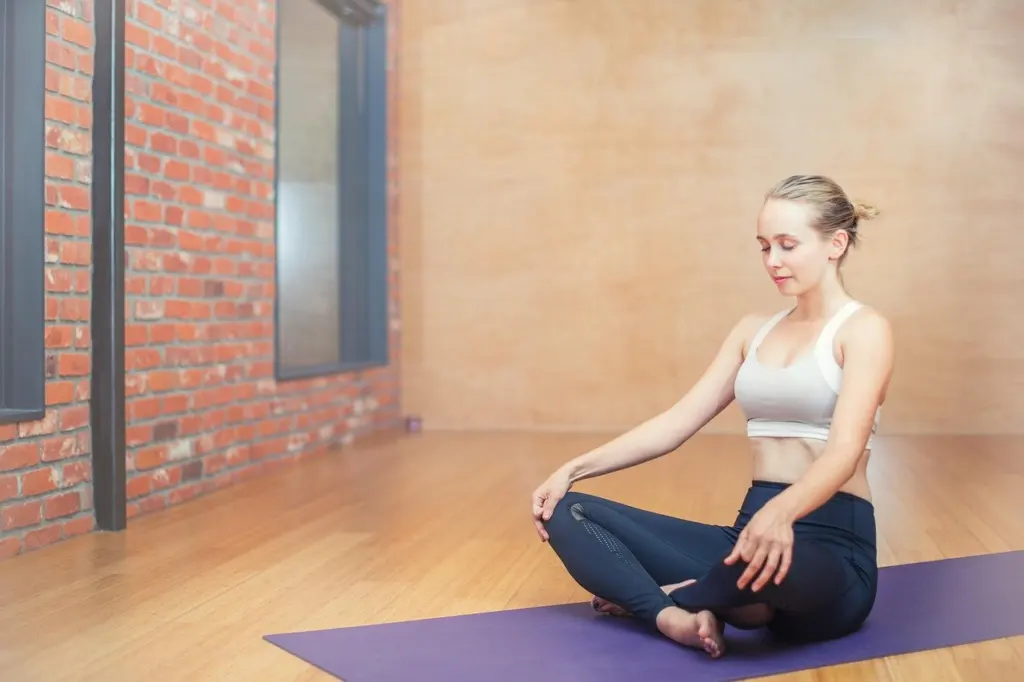
- Meditation: the same guide describes sitting comfortably for 10 minutes and focusing on your breath. That is longer than one block, so keep it for mornings with more room rather than squeezing it into the three-block format.

If getting out of bed is the real obstacle, How To Wake Up Early Every Morning: Practical Steps To Rise Consistently (2026) – Wholebodyreboot covers rising consistently, which gives these blocks a place in your schedule.
Stress breaks during the day
A few minutes is enough for a midday reset. Chicago Counseling and Therapy suggests setting aside a few minutes during the day to go outside, stretch, or sit quietly with your thoughts, which gives your mind a chance to reset after screen-heavy stretches.
Alvarado Therapy adds that physical activity can help you improve focus, reduce stress and boost your mood. A self-care guide goes further on the mental side: it describes 5 minutes of daily mindfulness meditation as something that may improve mood and cites studies linking mindfulness with reduced anxiety and depression. No effect sizes are given, so treat it as a low-cost experiment rather than a treatment.
- Restless or tense: stretch, since gentle movement can ease tension and boost your energy.
- Mentally stale: step outside for a few minutes away from your screen.
- Wound up or low in mood: try a short mindfulness sit, building up from the 5 minutes the guide mentions.
If you also want a hydration habit alongside these breaks, Drink More Water Without Hating It: Simple, Science-Backed Hacks That Actually Work In 2026 – Wholebodyreboot offers ways to make it easier.
Evening wind-down for sleep
Evenings are a standard time to slow down and let go of the day, according to Chicago Counseling and Therapy. A wind-down works best as a short, repeatable sequence that tells your body the day is finishing.
Wind-down actions
- Calming night routine: a self-care guide suggests something like a bath, a cup of tea and a good book. Pick one or two you enjoy rather than all three.
- Write down the day: reviewing the day’s events gets your thoughts and worries onto paper, which suits a busy mind at night.
- Pair reflection with rest: Chicago Counseling and Therapy recommends combining reflection with something restful, like reading or gentle stretching.
- List tomorrow’s tasks: Kris Carr says jotting down your important tasks for the next day helps you wake up and begin with focus, so this step connects tonight’s wind-down to tomorrow’s morning block.
Bedroom conditions
The same self-care guide advises keeping your bedroom cool, dark and quiet to prevent sleep disruptions. Treat this as the setting for the routine: the activities help you unwind, and the room keeps you from being woken once you are asleep.
When time is short
About 20 minutes or so is enough on a tight day, according to the self-care guide, which says you do not need hours devoted to self-care. That makes the morning block the core of the routine, with a brief evening reset added if you have room.
On a day that cannot hold the full plan, shorten blocks instead of skipping the routine. Chicago Counseling and Therapy points out that keeping consistent routines, even easy ones, brings your life the most balance. A single breathing exercise or a few squats keeps the pattern alive and costs almost nothing.
Keeping it consistent and tracking it
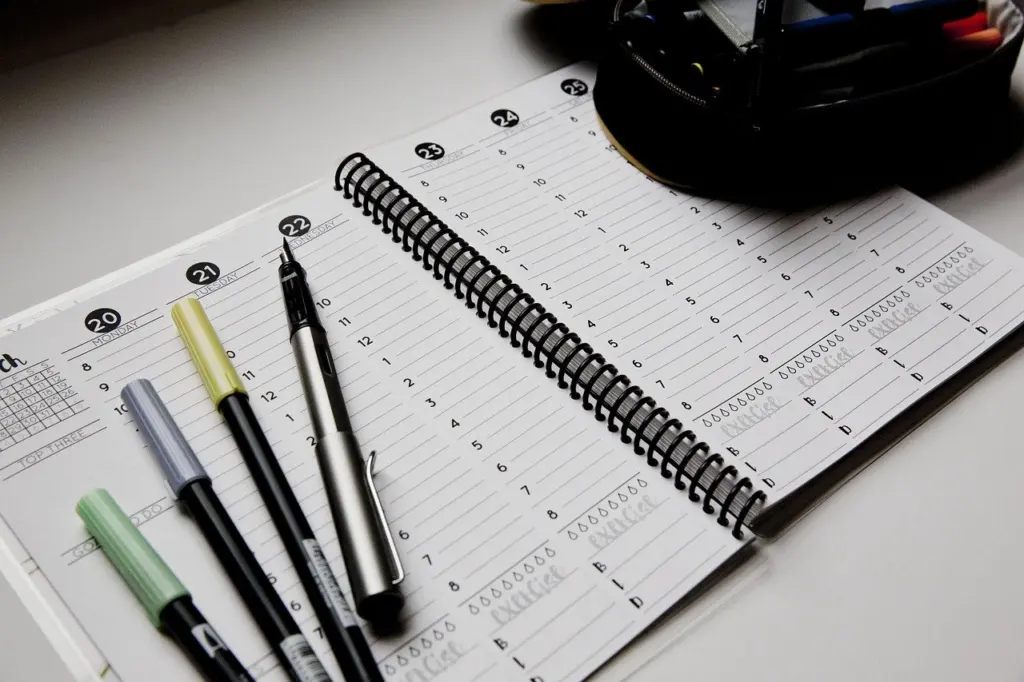
Put each block on a schedule. Alvarado Therapy says it helps to schedule self-care into your calendar or set reminders on your phone, and that small consistent habits raise your odds of success. A reminder removes the need to remember, and a calendar entry makes the time harder to give away.
For habit tracking, mark each completed block in a planner or calendar so you can see the pattern at a glance. Review it at the end of the week and change one thing at a time: shorten a block that feels heavy, swap an activity you dislike, or move a block to a calmer part of the day.
Frequently asked questions
Can a self-care routine really reduce stress?
It can help. Alvarado Therapy says consistent self-care can reduce stress, increase happiness and improve well-being, though it gives no measured size for the effect. Consistency matters more than intensity.
How much sleep do most adults need?
Most adults need around 7 hours, but everyone’s body is different, according to a self-care guide. Use that as a starting point and adjust to how rested you feel.
Can I journal in the morning instead of the evening?
Yes. Kris Carr says a five-minute journal session can have a big impact on your entire day, so it can fill one of your morning blocks. Evening writing does a different job, which is clearing worries before bed.