Dinner is done, the show starts, and your hand heads for the pantry. Learning how to stop snacking at night starts with working out whether you are hungry or cued by habit or stress, then adjust daytime eating and the evening routine.
The habit-based steps below sit inside the broader topic of how to build healthy habits, and they work best when you learn how to habit stack, so the closing routine attaches to something you already do every evening.
Why night cravings start
Night snacking is usually not a sign that the body needs fuel. A clinic’s guidance on stopping nighttime snacking says that in most cases the urge is not because your body truly needs fuel. The pull comes from context: the time of day, the room you are in and what you are doing.
The same guidance describes a habit loop. Your brain starts anticipating food when you settle in for a show, so the sofa, the screen and the snack become one routine. That is a learned cue rather than a hunger signal, which makes changing the cue more useful than simply resolving to resist.
Several popular beliefs about night eating send people in the wrong direction. The table sets them against what the guidance supports.
| Common belief | What is supported | Planning use |
|---|---|---|
| “I snack because my body needs fuel.” | In most cases the urge is not a true fuel need. | Check the day’s eating and the evening cues before reaching for food. |
| “It is only a willpower problem.” | The brain anticipates food when you settle in for a show, so the habit loop does much of the work. | Change the cue: swap the activity, the location or the closing ritual. |
| “Only food calms a stressful evening.” | A relaxing bath, brisk walk or cup of tea might do the trick, and even 5 minutes of deep breathing in the afternoon can lower the stress that drives nighttime eating. | Put a calming option into the evening plan and try a short breathing break earlier in the day. |
The first and second rows draw on the clinic’s nighttime snacking guidance; the stress row combines that guidance with the dietitian advice in five strategies to end late-night snacking.
None of this means hunger never plays a part. The next step is learning to tell the difference in the moment.
Reading the urge: hunger or craving
Hunger cues and cravings can feel identical at 9 at night, so a quick check helps more than a rule. Three questions sort most evenings.
- Check the day first. Dietitian Ellie Krieger notes that not eating enough throughout the day sets the stage for nighttime binging. If earlier meals were small or skipped, the evening urge may be real hunger and deserves a real answer.
- Notice the trigger. An urge that starts the moment you sit down with a screen, or after a stressful stretch, points to a cue or an emotion rather than an empty stomach.
- Pause before acting. Instead of impulsively raiding the refrigerator, take a 15-minute pause. Use that time to ask what you actually feel. If the answer is hunger, eat the planned snack described below. If it is tension or habit, switch to a calming alternative.
The pitfall is treating every urge as a craving. Brushing off real hunger can feed a cycle in which an under-fed day produces a heavier night, so the earlier meals deserve as much attention as the late ones.
Dinner, cutoff time and sleep
Setting the cutoff
A fixed end to eating takes a nightly negotiation off the table. Krieger’s advice is to pick a cutoff, and she says that about 8 or 9 p.m. seems to work for most people. She adds that the last eating time should ideally be about three hours before your bedtime.
Treat the clock time as a starting range, not a rule. If you go to bed early, let the three-hours-before-bed guideline set the cutoff. If you go to bed late, the evening range gives you a sensible anchor to adjust from.
Sleep and appetite
Short sleep may make the evening harder. In a small sleep-lab study of 14 adults in their twenties, those who had slept less ate, on average, about 300 calories more than those who had slept more. A group that small cannot predict your own appetite, but it supports treating bedtime as part of the snacking plan rather than a separate issue.
That brings up the question of weight. Whether night snacking by itself causes weight gain is not settled by one small study. What the study does show is that eating more tends to follow shorter sleep, so protecting sleep and eating enough earlier in the day are the most practical routes to weight control. A protected bedtime and a firm cutoff support each other: the cutoff makes a sensible bedtime easier to keep, and a sensible bedtime makes the cutoff easier to hold.
A sample evening routine
A routine works because each step tells your brain that eating is finished. This sequence links dinner, the closing ritual and sleep, and you can adapt the timing to your own bedtime.
- Finish dinner and fix the cutoff. Decide the time eating ends before the evening begins, so there is nothing to bargain over later.
- Plan one small snack if you tend to be hungry. Krieger suggests a small, healthy snack between dinner and bedtime, eaten before the cutoff rather than after it.
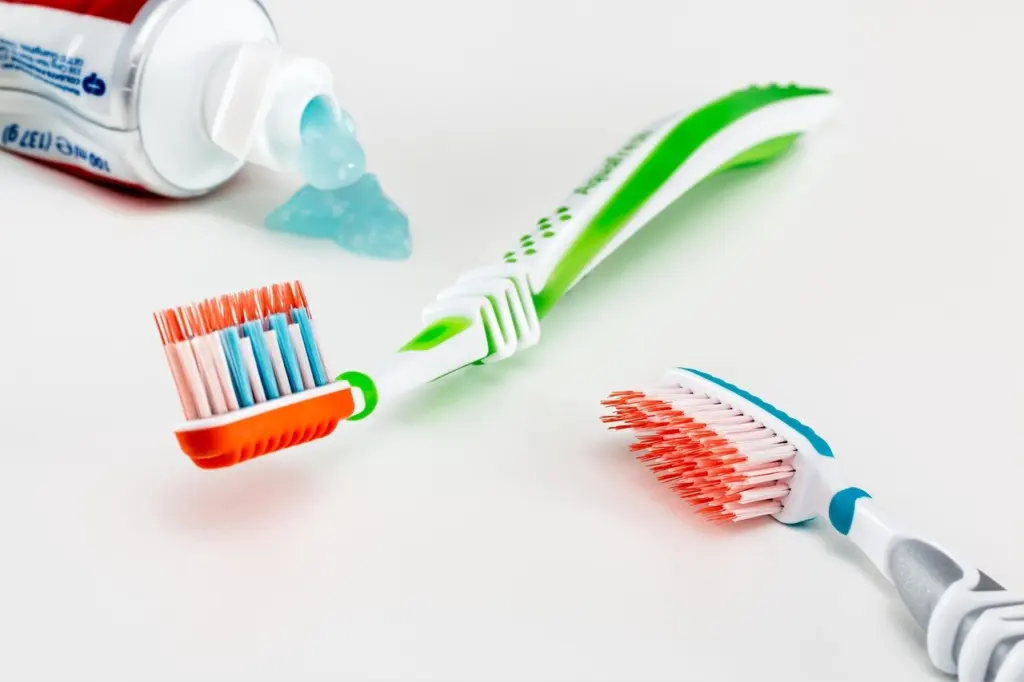
- Run the closing ritual. The clinic’s advice is simple: brush your teeth, brew a cup of herbal tea, dim the lights. Do it in the same order every night.
- Give your hands and mouth a non-food job. Use it during the show or the wind-down, in the spot where the snacking habit used to sit.
- Use the pause if an urge still arrives. Wait out the 15 minutes before deciding, then follow the hunger-or-craving check above.
Keep the ritual boring and identical; repetition is what turns it into a cue. If your household is also working on drink habits, How to Get Your Toddler to Drink More Water: 15 Practical Tips Parents Can Use Today – Wholebodyreboot has ideas for making water the easy choice for children, and a calm tea or water routine for adults can follow the same logic.
Expect the first few evenings to feel odd, because the old cue will still fire. The routine does not remove the urge instantly; it gives the urge somewhere else to go, and over time the new sequence replaces the old one.

Frequently asked questions
| Question | Answer |
|---|---|
| What counts as a sensible planned snack? | Krieger’s examples include fruit and yogurt, soup or avocado toast. Keep it small and eat it between dinner and bedtime, before your cutoff. |
| What can I do with my hands during TV time? | The clinic suggests stretching, knitting, folding laundry or sipping flavored sparkling water, so the hands and mouth stay busy without food. |
| When should I ask a professional for help? | If eating at night feels out of control, keeps disrupting your sleep or mood, or does not ease after you have fixed daytime eating and the evening routine, talk with a doctor or registered dietitian. |