Staring into the fridge on a rushed morning, the best high protein low carb breakfast ideas come down to eggs or another lean protein plus non-starchy vegetables, with the exact carb amount set by your own plan.
Below are per-serving figures for a set of egg-based and jar-style breakfasts, the misunderstandings that make low-carb mornings harder than they need to be, and what can be cooked ahead. For the wider picture of how breakfast fits into your day, read how to eat a balanced diet.
What a high-protein, low-carb breakfast looks like
Diabetes Food Hub describes low-carb breakfasts as generally focused on lean protein and non-starchy vegetables. That pattern works as a simple rule at the stove: choose a protein anchor, then add vegetables around it instead of reaching for toast, cereal or a pastry.
Eggs do most of the work in the recipes below because most dishes with published macros are egg-based. They are not the only route, though. A vegan overnight bowl shows that a jar-style breakfast can also be low in carbohydrate and high in protein. Which one suits you depends on how much time you have at the stove and how much carbohydrate your plan leaves room for.
Protein and carbs per serving
The table puts nine breakfasts side by side, ordered from the fewest carbs to the most. Most rows list net carbs, but the quiche and the overnight bowl list carbohydrate, so read those two rows on their own terms.
| Breakfast | Serving | Protein | Carbs | Fat | Planning use |
|---|---|---|---|---|---|
| French omelette | 1 omelette | 19 g | 1 g net | 32 g | Lowest carbs with solid protein, but butter-rich |
| Cloud eggs | 1 serving | 13 g | 1 g net | 13 g | Light on carbs and fat; add a side protein if you need more |
| Avocado egg boat | 1 boat | 8 g | 2 g net | 19 g | Least protein in the table, so pair it with another protein |
| Fajita egg cups | 1 cup | 11 g | 3 g net | 8 g | Lowest fat; single portions suit batch cooking |
| Crustless quiche | 1 slice | 17 g | 4 g carbs | 36 g | Moderate protein for the most fat of any row |
| Mexican frittata with pico de gallo | 1 slice | 16 g | 5 g net | 13 g | Balanced middle option with modest fat |
| Breakfast stuffed pepper | 1 pepper | 18 g | 6 g net | 20 g | Good protein for a mid-range carb count |
| Frittata with asparagus | 1 slice | 28 g | 11 g net | 34 g | Most protein of the egg dishes, with the most carbs of them |
| Overnight superfood bowl | 1 serving | 30 g | 20 g carbs | 35 g | Highest protein and highest carbs; suits days with more carb room |
Egg-dish figures come from a low-carb breakfast recipe roundup, and the bowl figures from the overnight superfood bowl recipe.
Lowest-carb choices
The French omelette and cloud eggs both come in at 1 g net carbs per serving, which makes them the easiest fit when carbs are tight. They differ in what else they bring. The omelette carries 19 g protein and 32 g fat, while cloud eggs carry 13 g protein and 13 g fat. If the word “lean” matters to you, the fajita egg cups are the lower-fat route at 8 g fat per cup, with 11 g protein and 3 g net carbs.
Higher-protein choices
The asparagus frittata gives 28 g protein per slice, the most of any egg dish here, at 11 g net carbs. The overnight bowl goes further at 30 g protein, but its 20 g carbohydrate includes the mixed berries and chopped nuts, and the recipe also lists 12 g fiber and 4 g sugar per serving. It makes sense when you want the most protein and have the most carbohydrate to spend. On tighter days, the stuffed pepper at 18 g protein and 6 g net carbs is a middle path.
Common misunderstandings about low-carb mornings
Most trouble with low-carb breakfasts comes from a few assumptions rather than from the food itself.
- “Skipping breakfast keeps things simpler.” Diabetes Food Hub notes that eating breakfast as part of your eating plan can help you manage blood glucose. A planned protein-and-vegetable breakfast is a better answer to a busy morning than no breakfast, especially if blood glucose is a concern.
- “Every carb figure means the same thing.” It does not. The egg dishes above are listed in net carbs, while the quiche is listed in carbs and the overnight bowl in carbohydrates that include berries and nuts. Compare net carbs with net carbs and carbs with carbs before deciding that one dish beats another.
- “Low-carb means eggs every day.” The overnight bowl is described as low carb, high protein, high in healthy fat and low or no in sugar, and it contains no egg dish at all. Rotating between egg dishes and a jar-style bowl keeps the routine from going stale.
- “A low-carb plate leaves you hungry by mid-morning.” Diabetes Food Hub says the fiber from the vegetables and the protein in the meal can help you feel full until lunchtime. The vegetables are therefore part of the point, not a garnish, so do not drop them to save time.
Building a plate from staples
Diabetes Food Hub’s spinach, tomato and feta baked egg is a useful template. The site calls it a quick and easy brunch favorite that is very low in carbohydrate. The egg supplies the protein, spinach and tomato supply the non-starchy vegetables, and feta adds flavor. Swap in whatever vegetables are in the fridge and the structure holds.
A smoked salmon bowl follows the same logic. Put smoked salmon and a soft-boiled egg over greens with sliced avocado, and the protein and vegetables are covered without any bread. If a dish is light on protein, like the avocado egg boat in the table, adding salmon or a side egg is a more useful fix than adding more fat.
Make-ahead options
Yes, several of these breakfasts can be made ahead, and the supported storage guidance is specific to the dish.
Egg muffins
Homemade egg muffins can be stored in the refrigerator for a few days or frozen for a longer period. That storage window belongs to egg muffins, so do not stretch it to other dishes. Fajita egg cups, at 3 g net carbs and 11 g protein per cup, come in single portions, which makes them easy to cook in a batch and reheat one at a time.
Sausage patties
The same source suggests cooking a batch of breakfast sausage patties and freezing the extras for the following week, so they are ready to be warmed up. Pair a patty with an egg dish from the table when the protein figure for the egg dish is on the low side.
Overnight jar
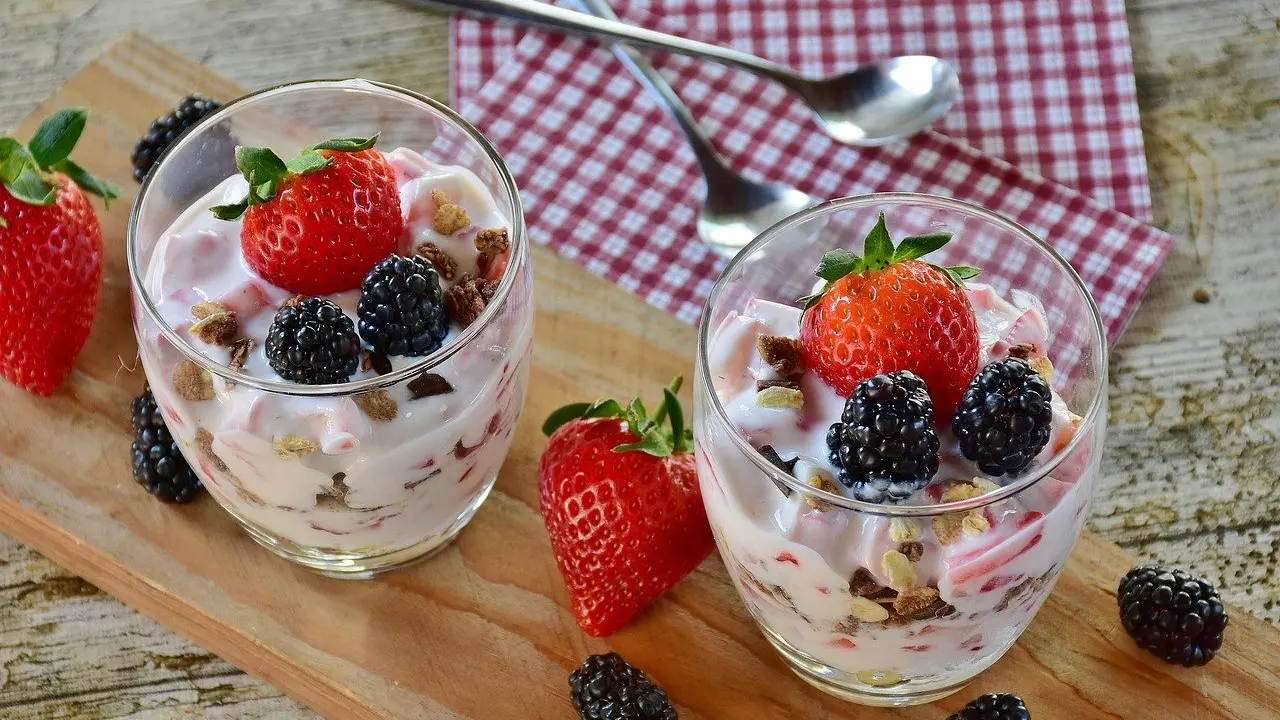
The superfood bowl is built for the fridge. Mix all the ingredients the night before in a grab-and-go jar, then add the berries and chopped nuts in the morning. One serving works out to 500 kcal, 30 g protein and 20 g carbohydrate, so it suits a morning when you want something filling and have no time to cook.
If hunger hits before lunch, the ideas in Protein-Packed Snacks: 15 Fast, Healthy Ideas To Fuel Your Day (2026) – Wholebodyreboot pair well with a morning like this. Parents packing food for school days can browse Healthy School Snack Ideas: 50 Easy, Packing‑Friendly Options for Busy Families (2026) – Wholebodyreboot.
Frequently asked questions
| Question | Answer |
|---|---|
| What is a good high-protein low-carb breakfast? | Any dish built on lean protein and non-starchy vegetables. The omelette-style egg dishes at the top of the table are the lowest-carb picks, and the asparagus frittata and overnight bowl give the most protein. |
| Can I make these ahead? | Yes. Egg muffins, batch-cooked sausage patties and an overnight jar all work ahead of time, and the stored egg muffins can go in the freezer for up to 3 months, according to Diabetes Food Hub. |
| Who decides how many carbs I should eat at breakfast? | Your own plan decides, and the amount is individual. Diabetes Food Hub advises checking with a registered dietitian nutritionist (RDN) to find out the right amount of carbohydrates for you. |