| Snack pairing | What it combines | Planning use |
|---|---|---|
| Greek yogurt cup or squeezable pouch | An easy high-protein base that comes ready to carry | Choose it for grab-and-go dairy protein with no prep. It is also an easy option for children. |
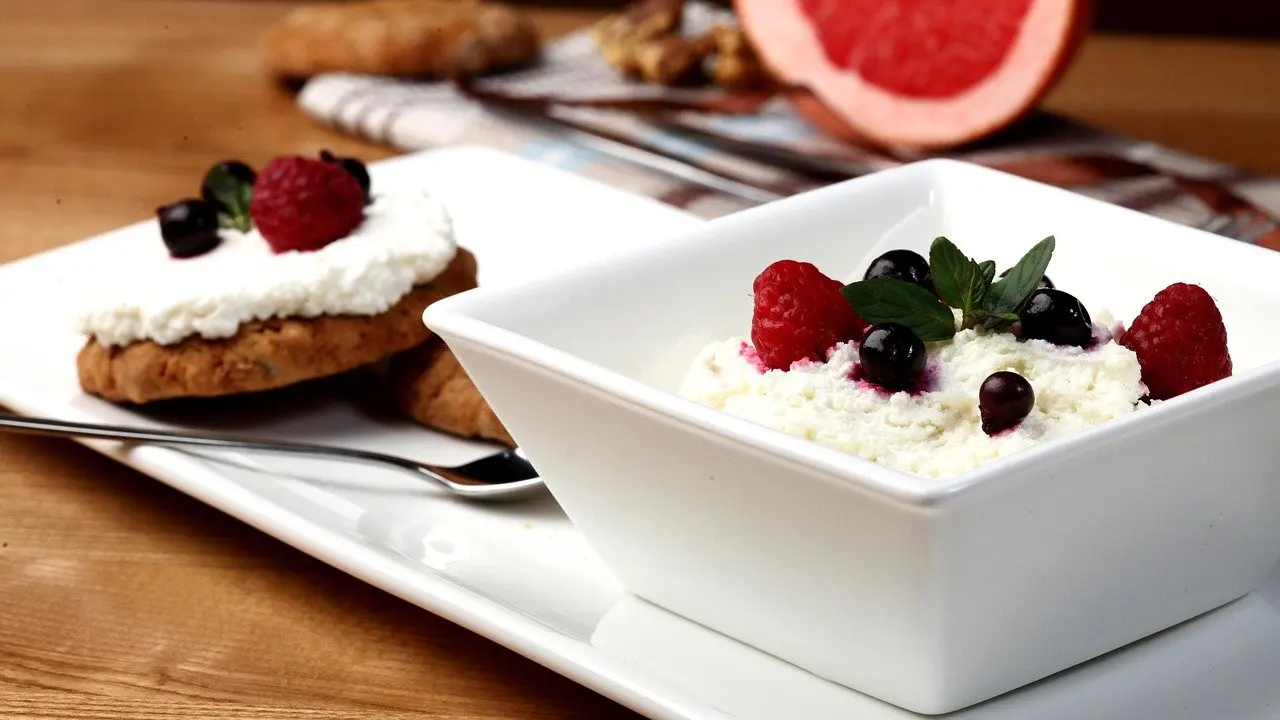
| Cottage cheese with fruit | Dairy protein, plus probiotics and calcium | Choose it for a spoon-and-eat snack wherever you have a fridge. |
| Oats with nuts | Fiber from oats and grains, protein and fat from nuts | Choose it when you want a more filling bowl. Keep the nuts to a measured serving. |
| Egg with roasted edamame or chickpeas | Egg protein plus filling fiber from legumes | Choose it for a savory snack. Cook the eggs ahead of time. |
| Chia pudding | Milk and chia, set in the fridge instead of on the stove | Choose it when you can prepare something the night before. |
| Jerky, trail mix or snack bars | Shelf-stable protein sources a dietitian lists for busy schedules | Choose them for travel days when you have no fridge. |
Pairing details come from this high-protein snack guide, and the portability notes come from dietitian Kristen Carli, MS, RD, in a Yahoo Health protein snack roundup.
Healthy protein snack ideas work best when the protein is paired with fiber or healthy fat. That pairing adds nutritional value and makes a small snack more satisfying than protein alone.
Snacks sit inside a wider pattern of eating, so it helps to read this alongside how to eat a balanced diet.
What makes a snack a healthy protein snack
A healthy protein snack is a modest portion of a protein food, ideally paired with fiber or healthy fat. Greek yogurt, eggs, nuts and cottage cheese are the base foods. Fruit, oats, chickpeas and edamame supply the fiber.
A guide to high-protein snacking advises adding heart-healthy fats and fiber whenever possible to raise a snack’s nutritional value, according to that snack guide. In practice, plain protein is a starting point rather than a finished snack. Ask what is missing. A yogurt benefits from fruit or oats, an egg from legumes, and a handful of nuts from something fresh alongside it.
The fiber side of the pairing is worth building deliberately. If you want a wider menu of fiber sources to combine with protein, What Foods Are Rich in Fiber? 25+ High-Fiber Choices to Boost Digestion and Heart Health in 2026 – Wholebodyreboot lists plenty of options.
No-cook protein snacks
Several of the most useful protein snacks need only a spoon, a bowl and a fridge. They suit desks, kitchens and any day when switching on a stove is unrealistic.
Cottage cheese with fruit
Cottage cheese is the simplest bowl-and-spoon option. It is described as containing gut-friendly probiotics and calcium, so it offers more than protein. Fruit on top turns it into a sweet snack with a little fiber, and it needs no preparation beyond opening the tub.
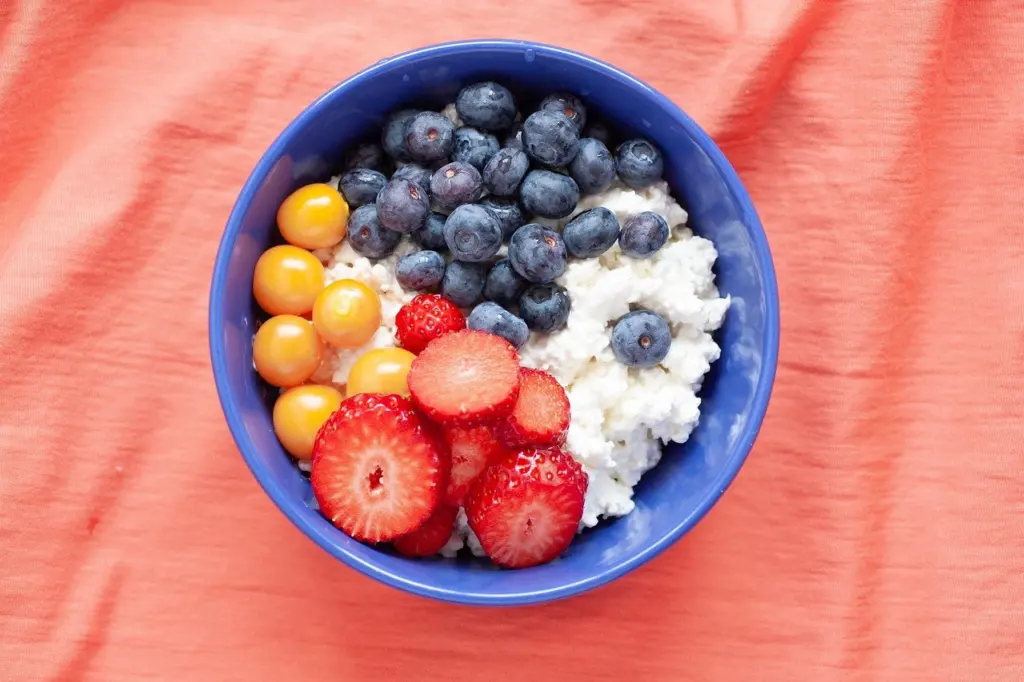
Greek yogurt, oats and nuts
Greek yogurt is an easy high-protein snack, and it works well for children too. Stirring in oats and nuts changes the balance. Oats and grains are high in fiber, while the nuts contribute protein and fat, so the same bowl covers all three elements of a well-built snack.
Chia pudding
Chia pudding replaces cooking with time. Combine milk and chia, refrigerate overnight, then top with honey or maple syrup. It suits people who can plan the evening before and want something ready to eat the next day.
- Choose cottage cheese when you want the least effort and have a fridge nearby.
- Choose a Greek yogurt bowl when you want to add your own fiber and fat, such as oats or nuts.
- Choose chia pudding when you can prepare ahead and prefer something you can top to taste.
Portion guidance
A protein snack should stay a snack: a small portion that bridges the gap to the next meal, not a second meal. For children, small portions of protein spread through the day are presented as better than large servings, according to the Yahoo Health roundup. The same spread-it-out logic is a sensible default for adults.
Nuts are where portions slip most easily. Almonds are high in calories, so a trainer-written guide at Train with PFP stresses sticking to the recommended serving size. Check the serving size on the pack and measure it into a small container before you leave, rather than eating from the bag. Other nuts deserve the same habit.
Single-serve formats do some of the portioning for you. A yogurt cup or pouch arrives pre-measured, and an egg is naturally a single unit. When you build a bowl yourself, add the higher-calorie pieces, such as nuts, last and in small amounts, and let the fruit or oats fill the bowl out.
Taking protein snacks on the go
The best travelling snack is the one that fits your day’s conditions: a fridge or no fridge, a spoon or no spoon. Match the food to those conditions before you pack.
- With a cool bag or office fridge: Greek yogurt cups or squeezable tubes and pouches are built for carrying, and cottage cheese or prepared chia pudding can travel in a lidded container.
- Without refrigeration: dietitian Kristen Carli, MS, RD, points to jerky, trail mix and snack bars as convenient, nutritious protein sources that fit a busy lifestyle, as noted in the Yahoo Health roundup. Trail mix brings nuts into the bag, so keep to a measured serving.
- Cooked-ahead savory snacks: pair an egg with roasted edamame or chickpeas for protein plus filling fiber. Cook the eggs in a batch, and pack the legumes in a separate small container.
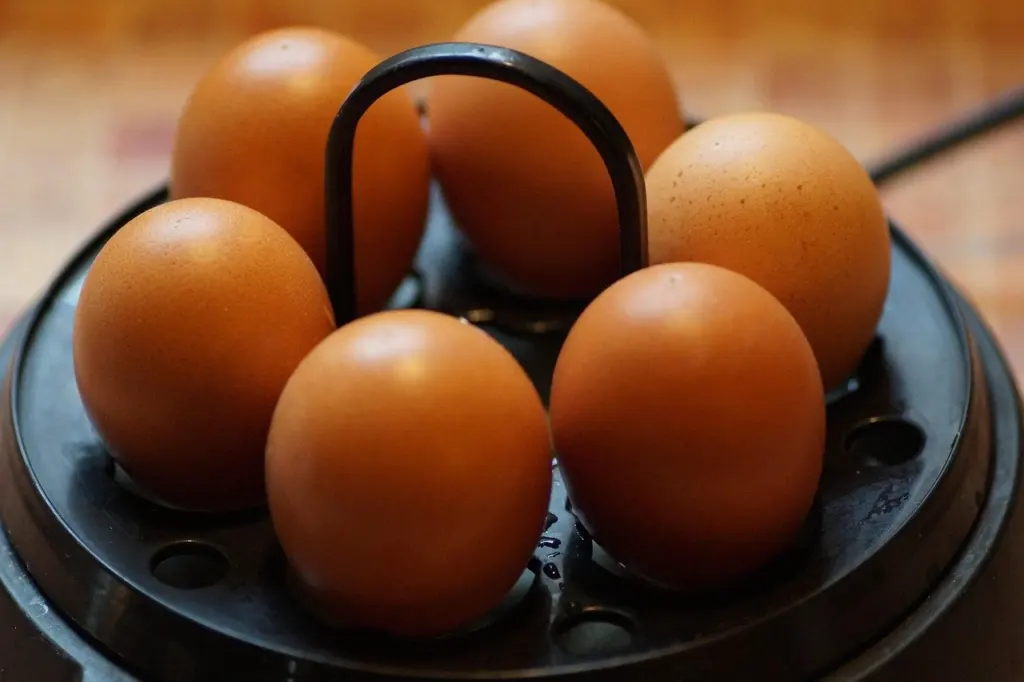
Packing is mostly a sorting exercise. Put the protein in one container and the fiber or fat partner in another, then combine them when you eat. That keeps crunchy items crisp and stops fruit from softening the rest of the snack.
Why the protein, fiber and fat pairing works
Protein promotes fullness, and that is the main reason it earns a place in snacks. The Train with PFP guide explains that it does so because it signals the release of appetite-suppressing hormones, which makes protein a sensible anchor for anything meant to hold you until a meal.
Fiber and fat then lift the snack beyond fullness alone. Fiber is the reason oats, chickpeas and edamame appear so often in these combinations, and nuts supply protein and fat together. Adding heart-healthy fats and fiber is the guide’s advice for increasing a protein snack’s nutritional value, which is why a bare protein food is rarely the best version of itself.
The decision rule that follows is simple. Start with a protein you enjoy, check which of fiber or fat it lacks, and add that. A yogurt gains oats, an egg gains legumes, and cottage cheese gains fruit. Variation across the week then follows from swapping the protein or the partner, not from relearning the pattern.
If your snacking is mostly about covering the gap before a morning meal, the companion piece High-Protein, Low-Carb Breakfasts: 5 Fast Ideas To Fuel Your Morning (2026) – Wholebodyreboot shows how the same thinking applies at the start of the day.
Frequently asked questions
Is Greek yogurt a good protein snack for children?
Yes. Greek yogurt is described as an easy high-protein snack idea for kids, and cups or squeezable pouches make it simple to pack.
Does cottage cheese offer anything besides protein?
Yes. It is described as containing gut-friendly probiotics that support digestion and immune health, along with calcium.
How long can homemade energy bites be stored?
Energy bites can be kept in the fridge for up to one week, according to the Yahoo Health roundup.