| Decision | Supported detail | Planning use |
|---|---|---|
| Nut-free fruit pairing | Apple slices with soy or sunflower seed butter in place of nut butter | Use where a school needs alternatives to nuts, and confirm the school’s rule first |
| Make-ahead protein | Hard-boiled eggs, a good source of complete protein, prepped on the weekend and peeled for snack packing through the week | Batch once, then pack through the week |
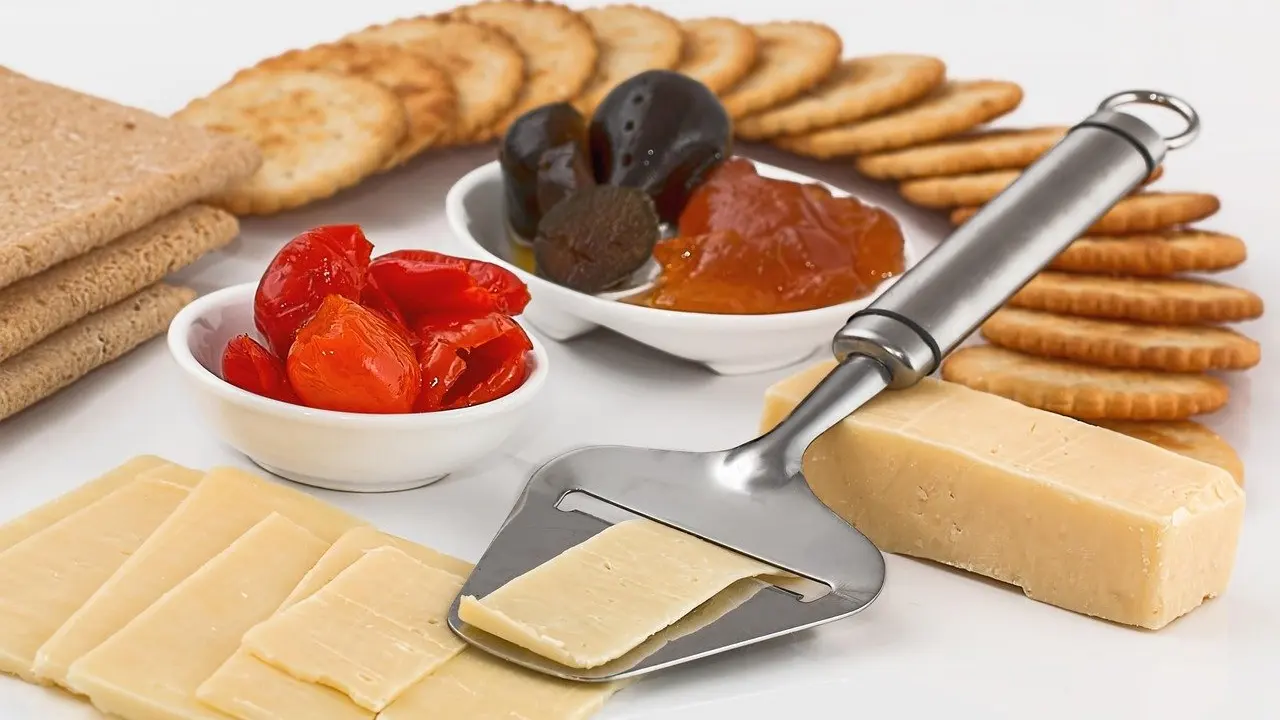
| Fiber check | Whole-grain crackers with fiber and minimal ingredients | Read the label before buying |
| Five-minute mix | 1 cup whole-grain cereal plus 1/4 cup each of dried fruit, nuts, and whole-grain crackers or pretzels; makes three to four 1/2-cup servings | Quick to assemble; leave the nuts out for nut-free classrooms |
| Portion size | Measure the snack and use pre-measured baggies | Keeps a snack from becoming oversized |
Guidance in the table comes from a school-snack guide for families and a community health page on healthy school snacks.
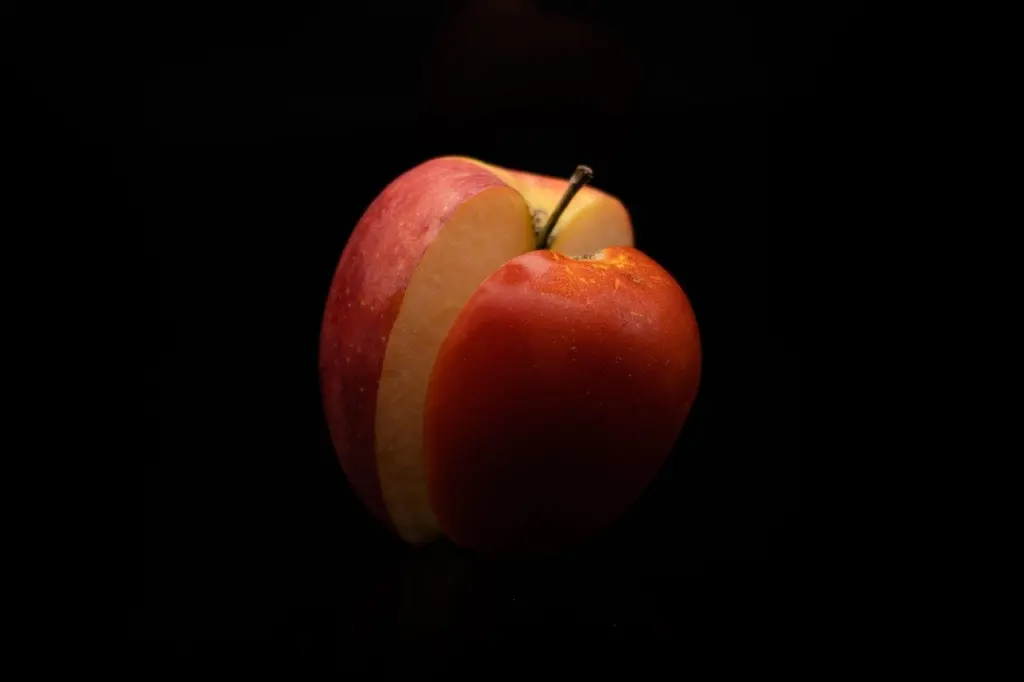
Healthy school snack ideas work best when each snack pairs a protein or fat with a carbohydrate, as a preschool snack guide recommends, and fits the school’s allergy rules. Apple slices with seed butter do both.
The sections below cover what a good snack changes, how to build one, ideas by category, nut-free swaps and packing. For the wider picture on how to eat a balanced diet, start with the nutrition hub. For the meal before school, see High-Protein, Low-Carb Breakfasts: 5 Fast Ideas To Fuel Your Morning (2026) – Wholebodyreboot.
What a good school snack changes
School snacks help children eat more nutritious foods, keep energy up and concentrate, according to a school-snack guide. These are general benefits, not measured effects, so judge a snack by what it replaces and how it fits the day.
- Steadier energy: a community health article says healthy snacks give more energy and less of a sugar crash than soft drinks and chips. Swap those two first before changing anything else.
- Better use of the school day: a snack that supports concentration matters most when the gap between meals is long or the afternoon includes sport or homework time.
- Longer-term habits: the same article states that children who learn healthy snacking early are more likely to eat healthier as adults. That is an association, so it is a reason to start early rather than a promise.
Knowing what a snack should do makes it easier to build one.
Building a balanced snack
A balanced school snack combines a carbohydrate with a protein or a fat, and ideally a whole food. The preschool guide’s example is an apple with a nut or seed butter, and the same pattern works with cheese, yogurt or eggs.
- Protein: hard-boiled eggs are described by the school-snack guide as a good source of complete protein. Dairy snacks bring calcium, vitamins A, D and B12, phosphorus, protein, potassium, riboflavin and niacin, according to a children’s health recipe page. Drinkable or squeezable yogurt usually contains some calcium and vitamin D. If a bar is part of the plan, compare labels: one children’s bar claims 5 grams of protein per bar, and that product claim does not state its serving basis.
- Fiber: look for whole-grain crackers with fiber and minimal ingredients. Some flavored popcorn chips contain a little fiber, so check the label rather than assuming. Choose whole-grain cereals with lower added sugar.
- Whole foods: olives are a source of unsaturated fat and a wholesome snack, and they stay affordable when you portion them from a can.
Variety matters as well. One preschool says it does not repeat the main component of a snack more than once during the school year. A home lunchbox does not need that rule, but rotating the main item stops a dependable snack from becoming a boring one.
Snack ideas by category
Fruit with protein or fat
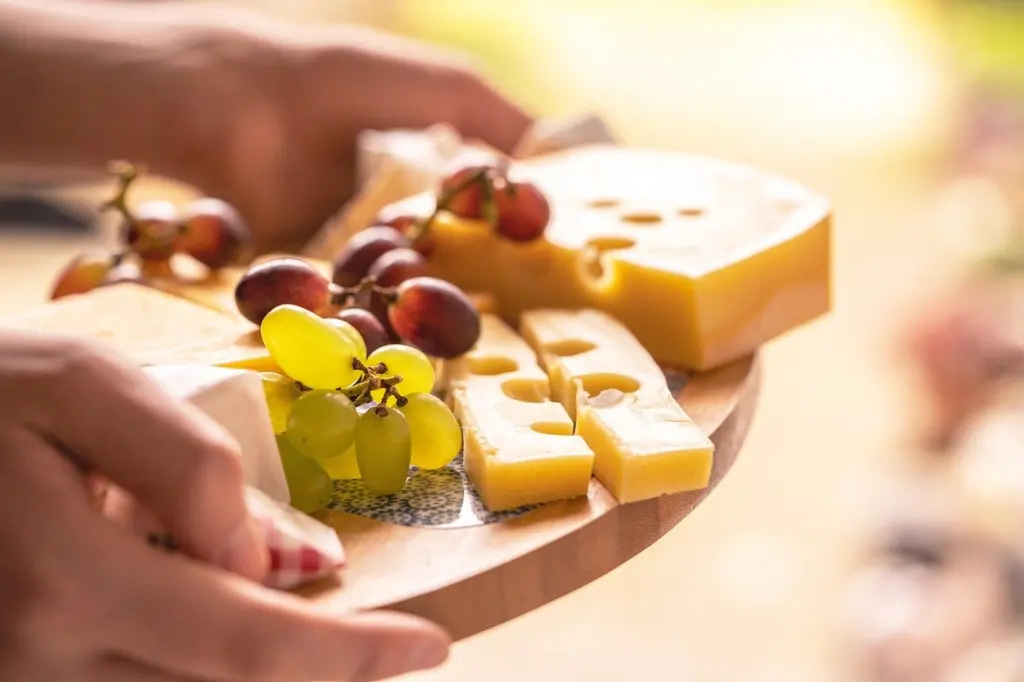
Fruit supplies the carbohydrate, and a partner supplies the staying power. Apple slices with a nut or seed butter is the standard pairing, and a community health article suggests string cheese with grapes or other fruit. Cheese suits children who will not eat a spread, and a spread suits children who do not like dairy.
Dairy and eggs
Yogurt, string cheese and hard-boiled eggs are the most direct protein snacks in this guide. Squeezable yogurt is the least fussy option for a rushed morning. Eggs take more work, but they can be prepared in a weekend batch and peeled for the week.
Whole grains and fiber
Whole-grain crackers are the easiest fiber snack, and dry whole-grain cereal in a small container works as a hand-held option. Because cereal and flavored chips vary widely, the label is the deciding tool: prefer whole grain, a short ingredient list and lower added sugar.
Mixes and whole-food extras
A whole-grain snack mix of cereal, dried fruit, nuts and crackers or pretzels makes several servings from one prep session, as the table shows. Nut, raisin and chocolate chip mixes and cashew and cranberry mixes also work, and the FAQ gives starting portions. Olives suit children who prefer savory snacks.
Allergy-safe swaps
No snack is allergy-safe for every child, because safety depends on which allergy a child has and what a school allows. Start with the school’s written rules, then read each label for the ingredients you need to avoid.
- Seed or soy butter for nut butter: the school-snack guide notes that butters made with soy or sunflower seeds may suit schools that need an alternative. Apple slices with one of these keep the carbohydrate-plus-fat pattern.
- Mixes without nuts: drop the nuts from the whole-grain mix and the cereal, dried fruit and whole-grain crackers or pretzels still make a snack.
- Single-ingredient snacks: whole fruit has no ingredient list to decode, which makes it the easiest item to pack when you are unsure of a policy.
- Convenience packs: single-serve nut butter squeeze packs are convenient for apple slices, but they are still nut products and belong only where nuts are permitted.
- Dairy and egg snacks: cheese, yogurt and eggs suit many lunchboxes, but they are not options for a child avoiding dairy or eggs. Pick another item from the whole-grain or fruit categories instead.
Packing and prep ahead
To pack snacks safely, portion them into single-serving containers, keep perishable items chilled until the moment of packing, and check the school’s allergy rules. The community health article recommends single-serving bags or containers for snacks that travel.
- Buy the shortcut where it helps: pre-sliced apples are sold in the produce section, and single-serve nut butter squeeze packs or cups cut the morning work, as the school-snack guide points out. Use the nut-based packs only where the school permits nuts.
- Prep in one session: a kid-friendly snack board recipe from a children’s health recipe site lists 30 minutes of prep. Treat a session like that as a chance to lay out components together, then portion them into containers for the week.
- Chill what needs it: yogurt-based dips and dairy snacks belong in the refrigerator until packing. If the school has no fridge, choose shelf-stable items such as whole-grain crackers or the dry snack mix instead.
Families that already cook ahead may like to pair snack prep with the warm meals in Anti-Inflammatory Soup Recipes: 7 Healing Bowls To Reduce Inflammation In 2026 – Wholebodyreboot.
Frequently asked questions
Can I make snacks the night before?
Yes for pretzel roll-ups. A children’s health recipe page suggests making them the night before or in the morning, because several days ahead may leave them soggy.
How long does chocolate yogurt dip keep?
Store it in an airtight container in the refrigerator for up to 3 days, according to the same recipe page.
How long should frozen yogurt-dipped bananas freeze?
Freeze them for at least one hour. The recipe recommends freezing overnight, so make them the day before.
How much nut and dried fruit should go in a snack mix?
One school-snack guide suggests 2 tablespoons of nuts with 1 tablespoon each of raisins and chocolate chips. It also gives a half ounce of nuts with 1 to 2 tablespoons of dried cranberries as a starting point for a cashew and cranberry mix.
Are whole-grain pretzels with peanut butter allergy-safe?
No. A community health article lists them as a school snack, but they contain peanut, so they are not suitable for nut-free classrooms. Use seed butter instead where a school requires it.