| Decision | What the recipes specify | Planning use |
|---|---|---|
| Fridge storage | Carrot ginger soup keeps up to 5 days in an airtight container; the golden soup keeps about 4 days | Plan on about 4 days to stay inside both recipes’ windows when you batch-cook |
| Freezer storage | Carrot ginger soup freezes in an airtight container for up to 6 months | Freeze anything you will not eat within the fridge window |
| Reheating | 3-5 minutes over medium heat on the stove | Warm one portion at a time instead of reheating the whole pot repeatedly |
| Aromatic swap | Shallots or yellow onion can replace leek in the carrot ginger soup | A missing leek is no reason to skip the recipe |
| Protein and greens | Golden soup uses 500 g chicken or 1 can chickpeas, plus 3 cups chopped kale or baby spinach | Choose chickpeas for a meat-free pot; either green works |
Storage and swap figures come from Simply Quinoa’s carrot ginger turmeric soup and Healthy-ish and Happy’s golden soup.
Anti inflammatory soup recipes built on turmeric, ginger, garlic, vegetables and olive oil suit batch cooking: the carrot ginger and golden soups below keep for days in the fridge, and the carrot ginger soup freezes for months.
Soup works best inside a wider routine, so if you are building meals from scratch, start with this guide on how to eat a balanced diet.
Which soups count as anti-inflammatory
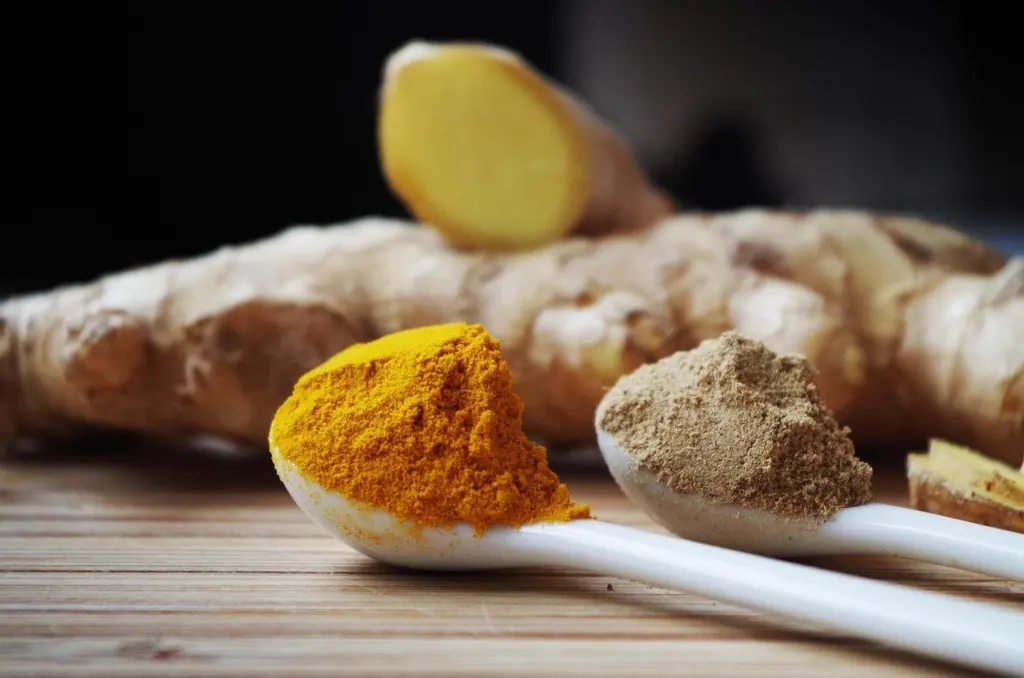
The soups in this guide earn the label through their ingredients. Turmeric, ginger, garlic, vegetables and olive oil sit at the centre of most of them, and these are the everyday anti-inflammatory foods that recipe writers reach for first. Navitas describes its creamy curried cauliflower soup as anti-inflammatory and builds it on garlic, turmeric and ginger.
Steph Robinson’s collection of six anti-inflammatory autumn soups leans on the same aromatics. In her golden coconut ginger chicken soup, ginger, garlic, turmeric and lemongrass make the broth incredibly aromatic.
Read the label as a description of what goes into the pot, not as a treatment. Anyone managing a medical condition or taking medication should check major dietary changes with a clinician.
Choosing a soup for your situation
The right pot depends on how much time you have and what you want the soup to do. These choices follow from the recipes’ own ingredients and methods.
- Creamy without heavy cream: the Marry Me chicken soup gets its body from blended cauliflower and roasted garlic, so it suits anyone cutting back on dairy fat.
- Fastest aromatic broth: the golden coconut ginger chicken soup builds flavour from ginger, garlic, turmeric and lemongrass in a bone broth base, with no roasting step.
- Hands-off flavour: the roasted tomato miso soup lets the oven do the work, which suits a busy evening when you can slide a tray in and leave it.
- Plant-forward pot: the curried cauliflower soup uses vegetable stock, and the golden soup accepts chickpeas in place of chicken.
- Make-ahead lunches: the carrot ginger turmeric soup is described by its author as great for meal prep, so it is the safest pick for a freezer stash.
Ingredient lists, soup by soup
Each recipe below keeps its original author’s amounts. Yields and a few finer points are collected in the FAQ.
Golden coconut ginger chicken soup
Steph Robinson’s golden coconut ginger chicken soup uses 2 tbsp grated ginger, 1 tsp ground turmeric, 4 cups bone broth and 1 cup coconut milk, with garlic and lemongrass alongside. The turmeric is a small measure, so the ginger carries most of the heat. Coconut milk makes the broth rich without dairy.
Roasted tomato miso soup
The same roasted tomato miso soup starts on a sheet pan. Drizzle the vegetables with 2 tbsp extra-virgin olive oil, season generously with oregano, and roast for 25 to 30 minutes at 220°C / 425°F, until the tomatoes have collapsed. Spread everything in a single layer: if the vegetables are piled on top of each other, they steam rather than roast and lose the concentrated flavour that makes this soup work.
Marry Me chicken soup with cauliflower
In this lighter Marry Me chicken soup, cauliflower is blended into the broth with 2 whole heads of roasted garlic instead of heavy cream. A little coconut milk, ½ cup, rounds it out. Resist the urge to add loads more, because the cauliflower and garlic should provide the creaminess.
Curried cauliflower soup
The Navitas curried cauliflower soup calls for 1 large head of cauliflower cut into florets, 1½ cups vegetable stock, ½ cup canned coconut milk and 1 tbsp coconut oil, with garlic, turmeric and ginger for flavour. Cauliflower croutons roast for 20 minutes at 400°F, flipped halfway for even cooking, and give the smooth soup a crunchy topping.
Golden chicken or chickpea soup
The Healthy-ish and Happy golden soup is the most flexible pot here: 500 g chicken or 1 can chickpeas, 1 tbsp coconut oil, 5 cups broth, 3/4 cup coconut milk and 3 cups chopped kale or baby spinach. Turmeric gives it the golden colour, and the greens wilt into the broth near the end, so one pot covers protein, vegetables and fat.
Carrot ginger turmeric soup
The Simply Quinoa carrot ginger turmeric soup is the easiest to adapt. If leeks are hard to find, shallots or yellow onion fill the same aromatic role. It is the soup to make when you want a large batch for the freezer.
Meal prep and finishing choices
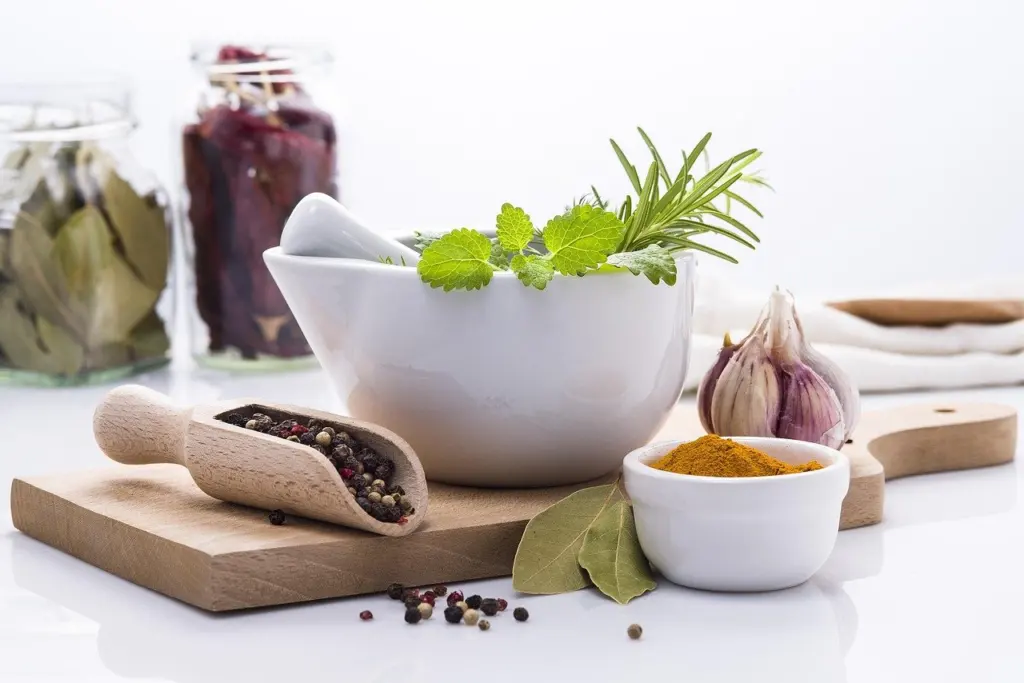
Yes, these soups can be meal prepped, and the storage windows in the table above set the schedule: cook one pot, eat from the fridge within that window, and freeze the rest. Frozen soup should be thawed before reheating. The choices below make a batch taste fresh on day three.
- Build on bone broth where you can. Steph Robinson uses chicken bone broth instead of regular stock whenever possible for a richer base, which is useful in the chicken soups.
- Give roasting room. When you roast tomatoes or other vegetables, keep them in one layer on the pan so they brown instead of steaming.
- Finish with acid and good oil. Lemon or lime at the end brightens a soup that has sat in the fridge, and her soups are finished with really good olive oil. Add lime after turning off the heat.
- Pair soup with other prepped food. A thermos of soup sits well beside portable bites such as those in Healthy School Snack Ideas: 50 Easy, Packing‑Friendly Options for Busy Families (2026) – Wholebodyreboot.
- Plan the rest of the day around it. If soup is your lunch, a protein-led morning from High-Protein Breakfast Ideas Without Eggs: 12 Quick Options For Energy – Wholebodyreboot keeps the day balanced.
Frequently asked questions
How many servings does each soup make?
The roasted tomato miso soup, the Marry Me chicken soup and the golden coconut ginger chicken soup are written to serve 4 on Steph Robinson’s list, as is the golden chicken or chickpea soup. The Navitas cauliflower soup makes 3-4 servings, so double it if you want leftovers.
Which cooking fats do these soups use?
Olive oil roasts the tomatoes in the miso soup and finishes the soups at the table, while coconut oil starts the curried cauliflower and golden chicken or chickpea soups. Coconut milk adds richness to most of the pots, so the fat in each soup depends on the recipe you pick.
Should I let the soup cool before blending?
Yes. The Navitas recipe says to let the soup cool for at least 5 minutes before carefully transferring it to the blender, which makes handling hot liquid safer.
Is there a dietitian-written soup resource?
Vori Health publishes an article on healthy soup recipes that help fight pain, written by registered dietitian nutritionist Christi Bowling, RDN. It is a useful companion if you want more ideas from a credentialed author.