Skipping eggs does not mean skipping protein: high protein breakfast ideas without eggs should aim for about 20 to 30 grams per meal, built on Greek yogurt, cottage cheese, tofu or overnight oats.
That target is one piece of a wider eating pattern, so read it alongside how to eat a balanced diet, then use the options below to fill the breakfast slot, whether you avoid eggs for an allergy, for taste or for variety.
Protein targets for an egg-free breakfast
A registered dietitian quoted by Cleveland Clinic recommends about 20 to 30 grams of protein at breakfast, and the right figure within that range varies by individual factors. Colorado State University’s engagement team cites research suggesting about 30 grams at breakfast can help satiate appetite through the day. The two figures overlap. If mid-morning hunger is your problem, aim for the upper end of the range. If you have a small appetite first thing, the lower end is a reasonable place to start.
Most of the confusion about egg-free breakfasts comes from a few common assumptions, which the table below sorts out.
| Common assumption | What the evidence supports |
|---|---|
| Eggs are the only practical protein breakfast | Cleveland Clinic’s high-protein breakfast guidance includes Greek yogurt, cottage cheese, soft tofu, overnight oats and chia pudding, none of which need eggs. |
| There is one exact protein number to hit | The dietitian range is 20 to 30 grams and varies by individual factors. Colorado State’s research-based figure of about 30 grams relates to feeling satisfied through the day. |
| Protein alone keeps you full | Pairing protein with fiber and healthy fats can keep you satisfied even longer. |
Figures above come from Cleveland Clinic and Colorado State University.
In practice, the protein sets the foundation and fiber and fats finish the job. Berries, nuts, seeds and oats all fit that pattern, which is why they keep appearing in the ideas that follow.
No-cook options for rushed mornings
No-cook breakfasts suit people who want to eat within minutes of getting up, or who do not want to wash a pan before work. All three below start from dairy, so they work for people who avoid eggs but not dairy.
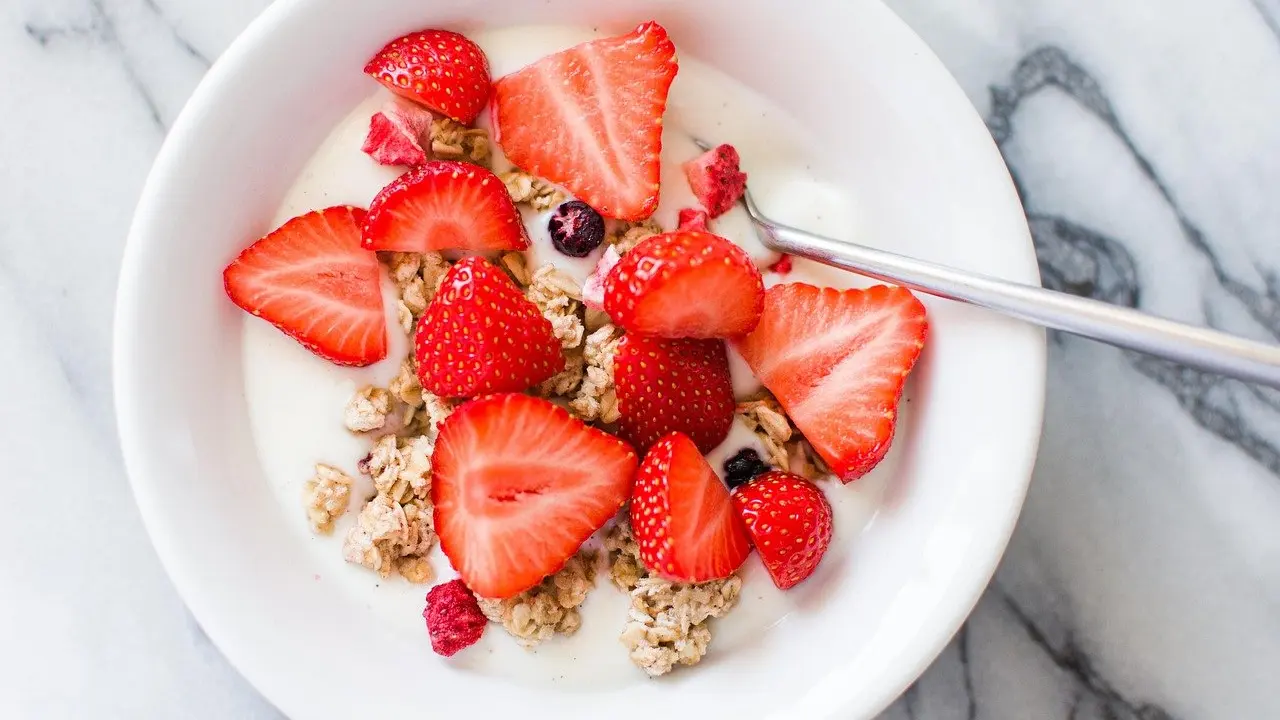
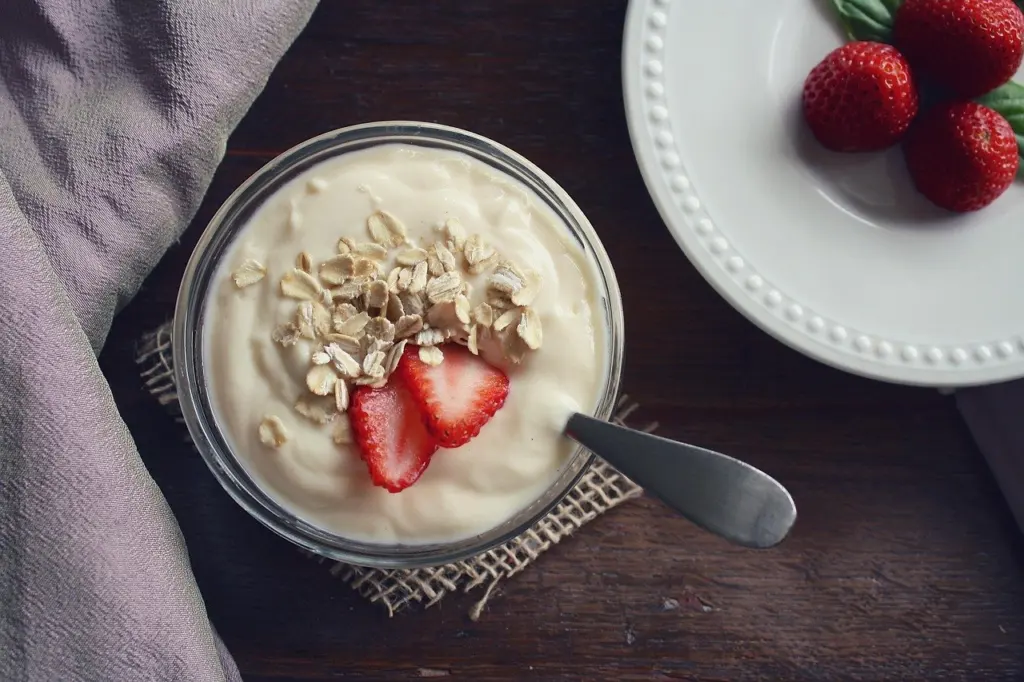
Greek yogurt bowl
Greek yogurt is the easiest base because it needs no preparation beyond a spoon. Add berries and nuts for fiber and fat, or oats for something chewier. Cleveland Clinic’s smoothie formula uses a cup of Greek yogurt as a protein source, which is a useful guide to how much yogurt counts as a serious portion rather than a dollop.
Cottage cheese with berries and nuts
Cleveland Clinic suggests a half-cup of cottage cheese topped with berries and nuts for a quick protein boost. This is a good fit if you find yogurt too tangy, since cottage cheese is milder and takes savory or sweet toppings equally well. A slice of toast underneath turns it into a more filling plate.
Protein smoothie
The same guidance describes a smoothie that starts with a protein powder of your choice or a cup of Greek yogurt, then adds about half a cup of fruit and about a cup of liquid. A smoothie suits people who cannot face solid food early in the day. It does not suit people who want to chew, because it is gone in minutes and offers less fiber than a bowl with oats or nuts unless you add them.
Warm and savory egg-free breakfasts
Tofu scramble
Tofu is the closest egg-free stand-in for a savory scramble. Cleveland Clinic notes that one serving of soft tofu contains about 20 grams of protein, which on its own lands inside the 20-to-30-gram range. Crumble it into a pan with vegetables for fiber. Choose this option if you are vegan, avoid dairy or want a savory start to the day.
Oatmeal as a base
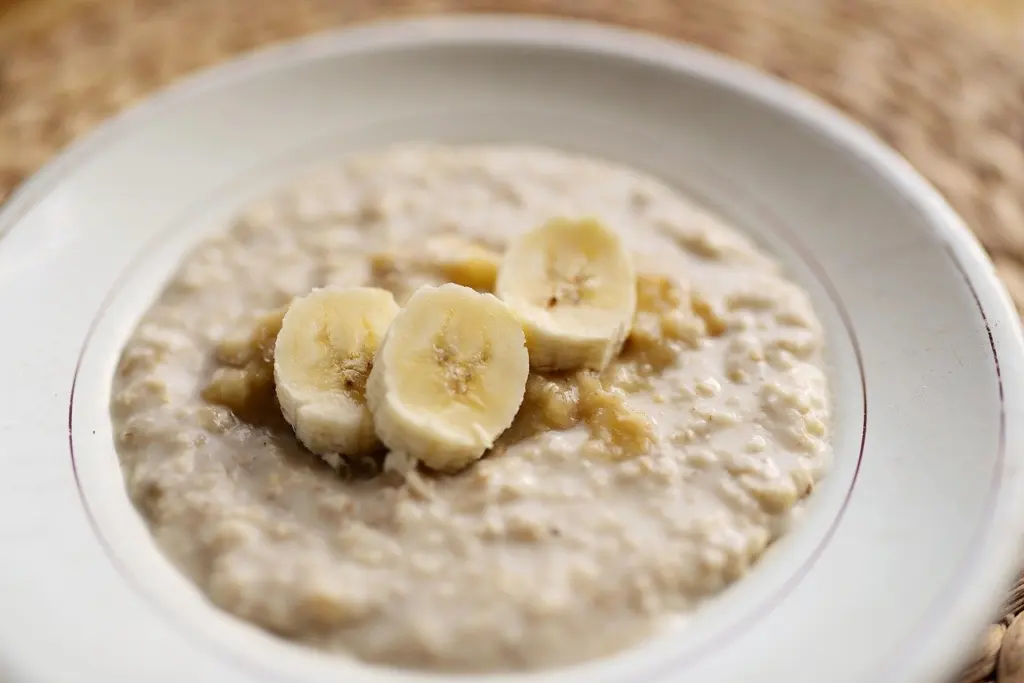
A warm oat bowl is comfortable but is not automatically a high-protein breakfast. The overnight oats method shows where the protein comes from: oats are combined with Greek yogurt and milk. The same logic applies to a hot bowl. Stir in yogurt or milk, add protein powder if you use it, and top with nuts or seeds for the fiber-and-fat pairing.
Savory eaters who like soup-style meals may enjoy the warm bowls in Anti-Inflammatory Soup Recipes: 7 Healing Bowls To Reduce Inflammation In 2026 – Wholebodyreboot, which are useful for lunch or dinner rather than as breakfast substitutes.
Comparing the options at a glance
Use the table to match an option to your morning, not to rank them: preparation style often matters more than a small difference in protein.
| Option | Preparation style | Key amounts from the guidance | Planning use |
|---|---|---|---|
| Protein smoothie | Blend and go | 1 cup Greek yogurt or protein powder, about 1/2 cup fruit, about 1 cup liquid | Best for mornings with no time to sit and eat; add oats or seeds if you want more fiber. |
| Cottage cheese with berries and nuts | No cooking | 1/2 cup cottage cheese | A quick plate for people who prefer a milder dairy base. |
| Overnight oats | Prepared the night before | 1/2 cup rolled oats plus Greek yogurt and milk | Suits routine weekdays when you can plan the evening before. |
| Chia pudding | Prepared the night before | 2 tbsp chia seeds, 1 cup milk, 1 scoop protein powder | A grab-and-go jar for those who already use protein powder. |
| Soft tofu scramble | Stovetop | About 20 g protein per serving of soft tofu | The savory choice for vegan or dairy-free eating. |
Amounts and methods are drawn from Cleveland Clinic’s high-protein breakfast guidance.
Meal prepping egg-free breakfasts
Two of the sturdiest egg-free breakfasts are designed to be made ahead, which makes them the natural starting point for meal prep. Both rely on the refrigerator doing the work overnight, so the morning step is simply to open the jar.
Overnight oats
- Combine the base. Mix a half-cup of rolled oats with Greek yogurt and milk.
- Refrigerate overnight. Cleveland Clinic describes the method as mixing the ingredients and then refrigerating overnight.
- Top in the morning. Add berries, nuts or seeds so the jar delivers fiber and fat as well as protein.
Chia pudding
- Measure the mix. Use 2 tablespoons of chia seeds, a cup of milk and a scoop of protein powder.
- Chill overnight. Leave it in the refrigerator so the chia can thicken.
Keep two cautions in mind when prepping. First, if you are avoiding eggs for an allergy, check the ingredient labels on packaged items such as protein powder before relying on them. Second, prepare the base ahead but save crunchy toppings for the morning, so the jar stays pleasant to eat.
If you are building breakfasts for the whole household, fiber matters too, and The Best Fiber-Rich Foods for Kids: Simple, Tasty Choices Parents Trust (2026 Guide) – Wholebodyreboot collects ideas that pair well with a protein base.
Frequently asked questions
| Question | Answer |
|---|---|
| What is the daily minimum for protein? | Colorado State University cites a minimum recommendation of 0.8 grams per kilogram of body weight, which works out to about 56 grams a day for a 150-pound adult. The breakfast target is a way to spread intake across the day, not an extra amount on top. |
| Does a high-protein breakfast help with snacking? | Colorado State University notes that a high-protein breakfast can improve fullness and satiety, resulting in healthier choices throughout the day. |
| Who should check with a doctor before raising protein? | People with kidney disease or at risk of it should talk to a doctor before changing their diet, because Colorado State University notes that increased protein intake can strain the kidneys. |