
The most useful sleep hygiene tips for teens are to aim for 8-10 hours a night, keep a steady wake time, and cut evening light and late caffeine. If tiredness or low mood persists anyway, talk to a doctor.
Most of these steps work on the body clock, so they pay off over days rather than in a single night. They also fit into a wider whole body reset built on daily routines.
How much sleep teens need
Teens need more sleep than adults. The National Sleep Foundation (NSF) says most adults need 7-9 hours, while teens typically need 8-10 hours, sometimes up to 11. Teen-focused guidance from ACS Teens goes a step further and calls 9 hours ideal for most teens.
| Group | Sleep figure | Planning use |
|---|---|---|
| Adults | 7-9 hours | Not the right benchmark for a teen’s bedtime. |
| Teens, general range | 8-10 hours, sometimes up to 11 | Pick a bedtime that lands inside this range once your wake time is fixed. |
| Most teens, ideal | 9 hours | A sensible single target when you have to choose one bedtime. |
| What most teens actually get | Fewer than 8 hours | If this describes you, the shortfall is the problem to close. |
Figures come from the National Sleep Foundation and ACS Teens.
Falling short is the norm. NSF reports that less than 2 in 10 teens get its recommended 8-10 hours across school days and weekends. ACS Teens puts the share of high schoolers getting the necessary amount at only around 25 percent. The NSF 2024 Sleep in America Poll found teens nearly half as likely to reach 8-10 hours on school nights as on weekends, and over three times as likely to be dissatisfied with their school-night sleep.
Treat the range as a target to plan around, not a score. Start from the time you must get up, then set a bedtime that fits the range. The next section explains why that bedtime is harder to hit than it sounds.
Why the body clock makes early nights hard
Teen sleep trouble is partly biology rather than poor discipline. NSF explains that circadian rhythms start to shift later after childhood, so teens naturally stay up later at night and feel alert later in the morning. A teen with an early alarm and a later body clock gets less sleep unless bedtime moves earlier.
Evening light makes the shift worse. Light, especially within the hour before bedtime, can delay the brain’s release of melatonin, the hormone that signals night. An adolescent treatment provider adds that excessive screen time before bed can interfere with melatonin production.
Behaviour then compounds the biology. NSF links poorer sleep to social media engagement and exciting or disturbing content at bedtime, and to teens purposefully putting off sleep to stay active on devices. The practical consequence is that the fix sits in the evening, before bed, which is where the actions below focus.
Seven actions for easier sleep
Work through these in order. The early ones set the clock, and the later ones remove the things that push it back.
1. Keep one wake time all week
Fix the wake time first, because it anchors everything else. Mountain Valley Treatment advises that teens go to bed and wake up at the same time each day, including weekends. A lie-in is not banned: ACS Teens suggests weekend wake-ups and bedtimes no more than 2 hours later than during the week. Use that as a ceiling, not a goal. The closer weekends stay to school days, the less the schedule has to be reset on Sunday night.
2. Set up a dark, cool, quiet bedroom
ACS Teens recommends keeping the bedroom dark, cool and quiet, and using the bed for sleep only. Check the room against each word: light from windows and device chargers, warmth, and noise from the house or street. Doing other activities elsewhere helps the bed stay associated with sleep.
3. Put the phone out of reach and stop screens earlier
Device cutoffs vary by source. Mountain Valley Treatment says teens should avoid electronic devices at least an hour before bed, while ACS Teens says to stop use a couple of hours before bed. Because NSF notes that light within the hour before bedtime can delay melatonin, treat the shorter cutoff as the minimum and the longer one as the better margin.
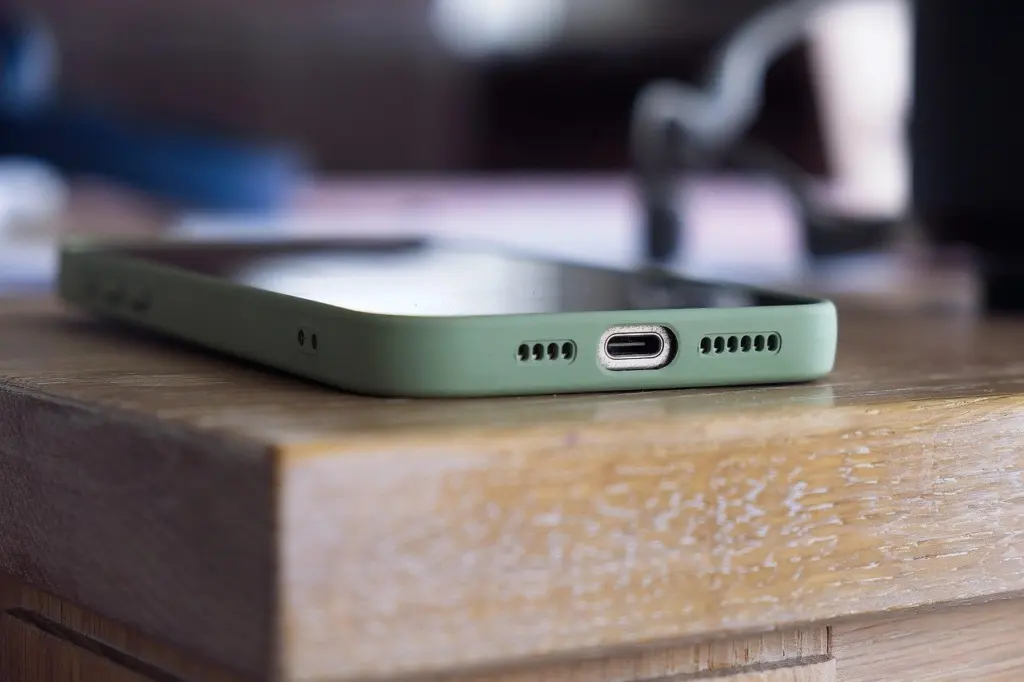
Distance matters as much as the clock. NSF describes teens purposefully putting off sleep to stay on devices, so give the phone a charging spot away from the bed rather than relying on willpower.
4. Wind down with something calm
Bedtime is a poor moment for the content that keeps you engaged. NSF names social media and exciting or disturbing content as sleep disruptors, so swap them for something low-key. Reading or quiet music are easy choices. Repeat the same activity in the same order most nights so your evening has a clear end point. If the mind keeps racing, see the final action on when to ask for help.
5. Move caffeine and large meals earlier
ACS Teens lists caffeine within 6 hours of bedtime as a sleep disruptor, so work backward from your bedtime to find your last coffee, tea, cola or energy drink. Mountain Valley Treatment adds that caffeine or large meals late in the day can disrupt sleep. If you are hungry late, choose a lighter option than a full meal.

6. Exercise daily, but not close to bed
ACS Teens says at least 30 minutes to 1 hour of exercise in a day can help sleep, and advises keeping it out of the 2-3 hours before bed. Schedule training, practice or a walk in the day or early evening so that sport helps sleep instead of cutting into your wind-down.
7. Know when to ask for help
Habits do not fix every sleep problem. Set a clear threshold: if you have kept a steady schedule, a good bedroom and an early device cutoff, and you still cannot fall or stay asleep, or you stay tired and low, ask for help.
Mood and sleep affect each other. ACS Teens notes that lack of sleep can contribute to and be an indicator of depression and anxiety. Mountain Valley Treatment also says racing thoughts, heightened alertness and constant worry can make it difficult to fall or stay asleep. If those describe your nights, talk to a parent or guardian, a school counsellor or a doctor, who can look at whether something beyond habits is involved. Keep notes on when you go to bed, when you wake and how you feel, because they give that conversation something concrete to work from.
Pairing sleep with other recovery habits
A steady sleep routine is the base that other recovery habits sit on. Readers exploring those options can look at Cold Plunge Tub Benefits: Why Cold Water Therapy Boosts Recovery, Mood, And Immunity In 2026 – Wholebodyreboot and Infrared Sauna Benefits: 7 Science‑Backed Reasons To Try One In 2026 – Wholebodyreboot. Neither replaces a regular wake time and a calm evening.
Frequently asked questions
How do I fall asleep faster?
Work on the hours before bed rather than looking for a bedtime trick. Light close to bedtime can delay melatonin, late caffeine and large meals disrupt sleep, and worry makes it hard to drop off. Dimming the evening, putting the phone down and keeping a steady wake time address all three, according to Mountain Valley Treatment.
Do naps help after a short night?
Only early and brief ones. ACS Teens advises against naps within 5 hours of your usual bedtime or longer than 30 minutes. NSF also notes that late-day or evening naps taken to make up for missed sleep can make it harder to fall asleep at night.
Will I grow out of staying up late?
Not quickly. NSF says the later body-clock shift can stay in effect until a teen reaches their early 20s. Plan for it with a consistent wake time and a screen-free evening, since waiting for the shift to pass leaves school nights short.