Whole food meal prep works best when you cook components rather than finished meals: one base, one protein and two vegetables, each stored in its own container. Then recombine them into a different bowl each day.
If you want the wider picture of how to eat a balanced diet, start there. This page turns those principles into a Monday-to-Friday routine with a menu, a grocery list and storage windows.
Why component prep removes daily decisions
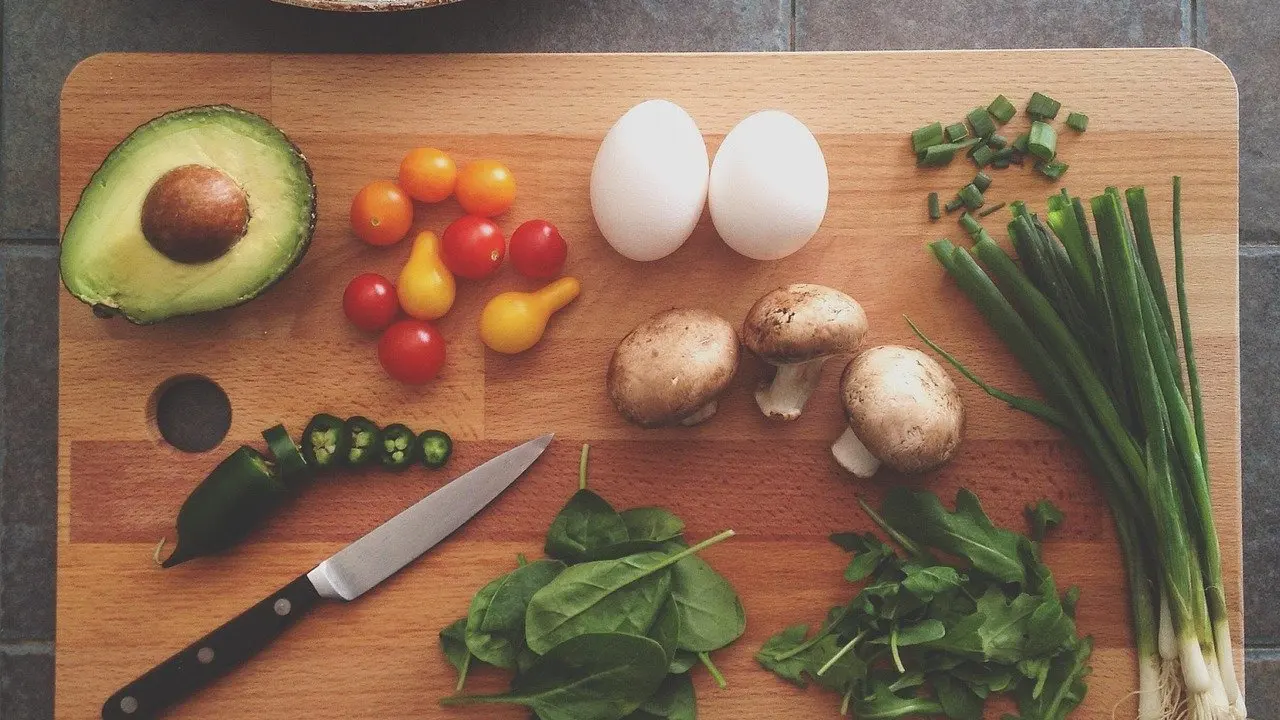
Whole food meal prep removes decisions by making them once, at the start of the week. Instead of fixing finished dinners, you cook parts and store each part in its own container rather than pre-combined. On any given day, a base, a protein and vegetables become a bowl, a plate or a wrap, depending on the sauce and the mood.
The planning side of meal planning is lighter than it sounds. One household describes planning a single week at a time from a running list of meals the family likes. That approach suits beginners because the menu is built from dishes you already eat. A menu of ambitious recipes you quietly skip is the usual way a prep habit fails.
Batch cooking is the part that saves effort. You run the oven, the stovetop and the cutting board once, and the weekday work shrinks to reheating and assembling. The next section turns that idea into a first-week routine.
Starting your first prep week
Begin with one week, a short list of meals and one cooking session. Work through these stages in order:
- Choose the meals. Pick a handful of dishes from your running list of favourites, favouring ones that share ingredients.
- Sort them into parts. Decide on one base, one protein and two vegetables for each stretch of the week, so every container has a role.
- Shop from a checklist. Keep a list of the items you buy regularly, arranged in the order of the store aisles, and add the week’s specials to it.
- Cook in one session. Cook the longest-keeping dishes last and the most perishable first in the week’s menu, using the order below.
- Portion and store. Follow the portioning and storage guidance further down, then eat the shortest-lived dishes first.
Once the routine feels automatic, add more variety through sauces and sides rather than more recipes. The menu below shows what a full week can look like.
A Monday-to-Friday whole food menu
The menu below keeps breakfast identical, repeats lunches across the week and orders dinners by how long they keep. Repetition is the point: it is what cuts decision fatigue. Perishable dishes come early in the week, and the freezer covers the end.
| Day | Breakfast | Lunch | Dinner | Planning use |
|---|---|---|---|---|
| Monday | Egg white omelet bites (egg whites) | Brown rice pilaf (brown rice) with rainbow kale slaw (kale) | Sheet-pan salmon (salmon, broccoli, brown rice) | Salmon is best eaten within 3 days, so it leads the week. |
| Tuesday | Egg white omelet bites | Greek-style quinoa bowl (quinoa, Greek-style toppings; dressing kept separate) | Black beans and rice (black beans, rice) | A pantry-based dinner that needs little extra cooking. |
| Wednesday | Egg white omelet bites | Greek-style quinoa bowl | Lemon-herb chicken thighs with sweet potato (chicken thighs, lemon, herbs, sweet potato) | Protein and starch from one pan. |
| Thursday | Egg white omelet bites | Baked tofu and roasted vegetable grain bowl (tofu, roasted vegetables, grain) | Lemon-herb chicken thighs with sweet potato | The chicken is still inside its fridge window. |
| Friday | Egg white omelet bites | Baked tofu and roasted vegetable grain bowl | Turmeric lentil and vegetable stew (lentils, vegetables, turmeric), thawed from the freezer | A freezer dinner removes pressure at the end of the week. |
Monday’s meals follow a published weekly meal plan, and the rest come from a set of component-style prep recipes.
Swap dishes freely if a day does not suit you. Training days are the obvious case: if lunch needs to sit well before a session, check what to eat before a workout and move a lighter dish into that slot.
Grocery list by category
The list below covers every dish in the menu. Build your own checklist in store aisle order, so the shop becomes a single pass through the building with no backtracking.
- Grains and starches: brown rice, quinoa, sweet potatoes and one more grain for the tofu bowl.
- Proteins: eggs for the egg white omelet bites, salmon, chicken thighs and tofu.
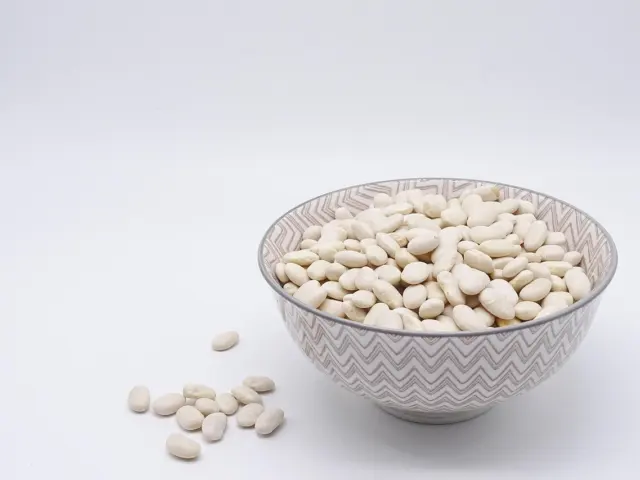
- Legumes: black beans and lentils, which carry the dinners and the freezer stew.
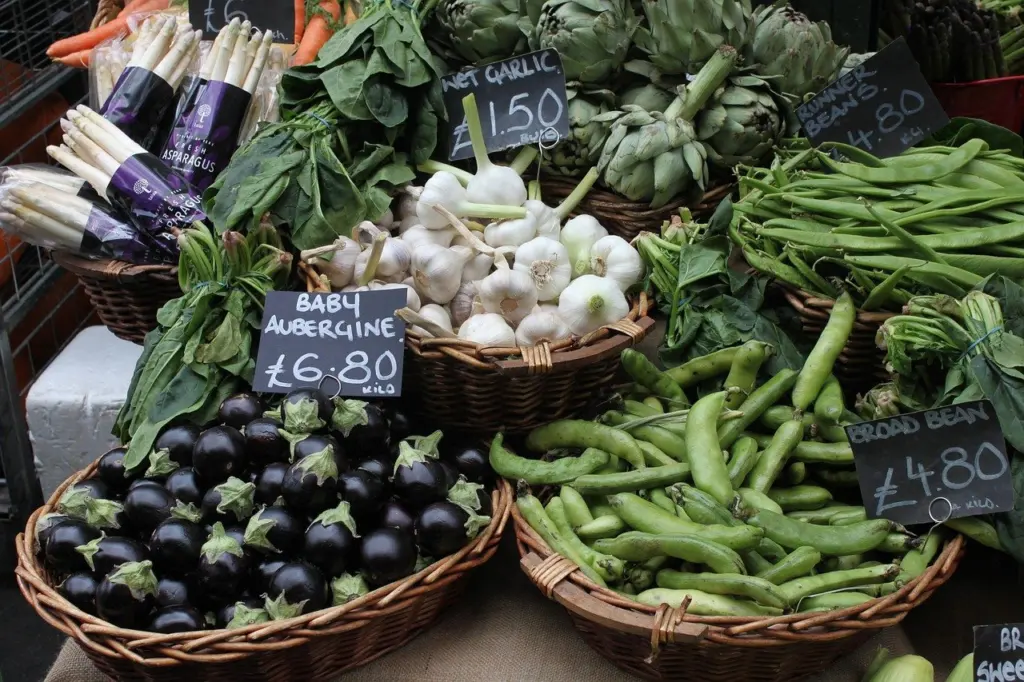
- Vegetables: kale for the slaw, broccoli for the salmon pan, vegetables for roasting and for the stew.
- Flavour: lemon, herbs, turmeric, a dressing for the quinoa bowl and a few sauces to rotate.
Beans, lentils and whole grains are the backbone of this list. If you want more options to rotate in, What Foods Are Rich in Fiber? 25+ High-Fiber Choices to Boost Digestion and Heart Health in 2026 – Wholebodyreboot lists plenty of high-fiber choices.
Cooking and portioning in one session
One cooking session
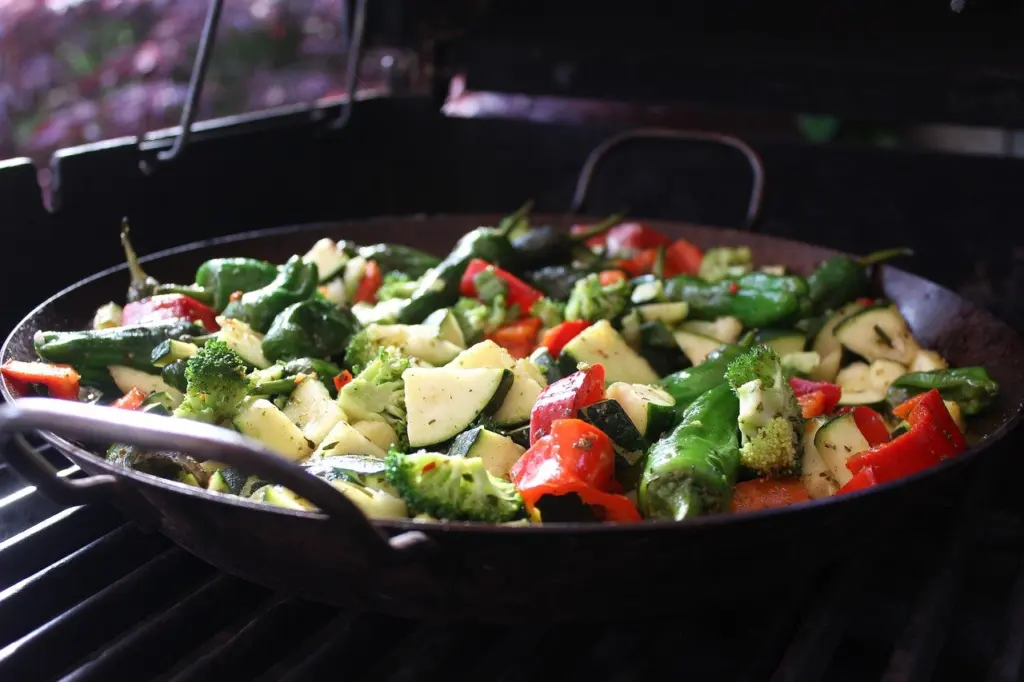
Group the work by equipment: roast trays and sheet-pan dishes together, then pots of grains, beans and stews, then the cold jobs such as slaw and dressings. Sheet-pan dishes make the session efficient because the protein, vegetable and starch cook together, as in the salmon with broccoli and brown rice. Cook the dishes that keep least time near the start of the week’s menu, and put the stew and any extra grains aside for the freezer.
Portion sizes and containers
Portion by container: divide each dish into individual containers the same day you cook. Fill one container per meal, so the portion is decided before you are hungry. Leaving a large batch in one container has a cost, too: the food dries out faster once it is opened repeatedly.
Once the food is portioned, the question becomes how long each container will last.
Fridge and freezer storage times
Storage windows differ by dish, so plan around the shortest one in your week. The table lists the windows for the dishes in the menu above.
| Dish | Fridge | Freezer | Planning use |
|---|---|---|---|
| Sheet-pan salmon, broccoli and brown rice | Best eaten within 3 days for peak freshness | – | Eat first in the week. |
| Greek-style quinoa bowl | 4 days, with dressing stored separately | – | Suits early-to-midweek lunches. |
| Lemon-herb chicken thighs with sweet potato | 4–5 days | – | Covers dinners through Thursday. |
| Baked tofu and roasted vegetable grain bowl | 4–5 days | Baked proteins and cooked grains often freeze well | Use for late-week lunches, or freeze part of it. |
| Turmeric lentil and vegetable stew | 5 days | Up to 3 months | Freeze portions for the end of the week. |
| Egg white omelet bites | – | Several months; reheat in the microwave | Keep a freezer stock for breakfasts. |
Fridge windows come from recipe-level guidance on component prep, and the omelet bite freezer window from a published weekly meal plan.
These are guidance for specific dishes, not a rule for every recipe, so treat them as a planning ceiling rather than a target. Freezing is the easy fix when a dish will not be eaten within its window. Stews, cooked grains and baked proteins often freeze well, which takes the pressure off eating everything inside four days.
Keep dressings, sauces and anything that should stay crisp in separate small containers until you eat. Label each container with its contents and cooking day, so the oldest dish always goes first.
Frequently asked questions
How long does prepped food stay fresh?
It depends on the dish. Sheet-pan salmon is best within 3 days, a quinoa bowl lasts 4 days, chicken with sweet potato or a tofu grain bowl lasts 4–5 days, and lentil stew keeps 5 days in the fridge or up to 3 months frozen.
What if my week is too full to cook more than once?
A weekly plan suggests making a double batch of lentil chili and brown rice pilaf when your schedule is full, since both are described as freezing and reheating well.
Can breakfast be prepped as well?
Yes. Egg white omelet bites stay fresh in the freezer for several months and reheat in the microwave. The same plan describes portioning two breakfasts in about 5 minutes.
How do I keep prepped meals from getting boring?
Rotate two or three sauces each week. The same base, protein and vegetables then taste different from day to day.