They want quick meals that support recovery and energy. The article shows high protein anti inflammatory recipes that fit busy nights. It lists pantry staples, fast dishes, and make-ahead options. It helps readers pick protein, lower inflammation, and save time. Below you’ll find why the approach works, practical pantry and protein picks, two genuinely weeknight‑friendly 20‑minute recipes, and two heartier make‑ahead meals for meal prep and recovery. Use these building blocks to adapt flavors, portion sizes, and timing to individual needs.
Key Takeaways
- High protein anti inflammatory recipes aid muscle repair, reduce inflammation, and stabilize blood sugar for better recovery and energy.
- Keeping pantry staples like canned beans, wild salmon, olive oil, turmeric, and frozen greens enables quick and varied high protein anti inflammatory meals.
- Quick recipes such as the Turmeric Salmon Bowl and Chickpea Spinach Walnut Skillet combine protein, healthy fats, and spices to reduce inflammation in under 20 minutes.
- Make-ahead meals like Lentil Sweet Potato Kale Stew and Chicken Quinoa Turmeric Grain Bowl save time while providing balanced nutrients for recovery and steady energy.
- Incorporating omega-3 rich fish, legumes, colorful produce, and spices like turmeric and ginger naturally lowers chronic inflammation and supports overall health.
How High‑Protein, Anti‑Inflammatory Eating Helps Your Body
High protein anti inflammatory recipes support muscle repair and steady energy. Protein builds tissue and fights muscle loss; including 20–30 grams of protein at a meal is a useful guideline for many adults seeking recovery or maintenance. Anti‑inflammatory foods reduce swelling and ease joint pain through compounds such as omega‑3 fatty acids, polyphenols, and curcumin. Combining both improves recovery after exercise and illness by supplying the amino acids needed for repair alongside nutrients that blunt excessive inflammatory signaling.
The body uses omega‑3 fats to lower inflammatory signals and balance the omega‑6:omega‑3 ratio that can drive chronic inflammation when out of balance. Antioxidants from colorful produce—berries, leafy greens, red peppers, and purple cabbage—help neutralize free radicals that contribute to cellular stress. The skin, joints, and brain benefit from this pattern: you may notice less morning stiffness, steadier moods, and improved cognitive clarity. The diet also stabilizes blood sugar and reduces cravings by combining protein, fiber, and healthy fats.
Practical notes: prioritize whole-food proteins (fish, legumes, poultry, tofu) and add spices that enhance absorption—black pepper increases curcumin uptake, and pairing turmeric with a small fat improves bioavailability. Timing matters too: a post‑workout meal with a mix of protein and carbs within 30–90 minutes can speed glycogen replenishment and muscle protein synthesis. High protein anti inflammatory recipes are flexible—tailor portion sizes to activity level, and use simple swaps (canned fish for fresh, Greek yogurt for sour cream) to keep preparation fast without sacrificing benefit.
Pantry Staples And Protein Picks To Keep On Hand
A solid pantry makes high protein anti inflammatory recipes easy. Stocking a few versatile items turns dinner into a simple assembly rather than a long cook. Keep canned beans and lentils for ready plant protein; canned wild salmon or sardines for omega‑3s; and good olive oil and flaxseed oil for dressing bowls. Keep spices—turmeric, ginger, cumin, smoked paprika—and black pepper nearby for both flavor and function.
Fresh and frozen choices: frozen greens, frozen berries, and mixed stir‑fry vegetables extend produce life and are excellent for smoothies, soups, and bowls. Fresh items that change meals quickly include lemons, garlic, onions, and bunches of parsley or cilantro. Nuts and seeds (walnuts, pumpkin seeds, chia) add texture, healthy fats, and a protein boost to salads and yogurt.
Protein shopping picks: choose skinless chicken breasts or thighs, wild salmon or mackerel, extra‑firm tofu, tempeh, Greek yogurt, cottage cheese, and a variety of canned or dried legumes. Cooked grains like quinoa, farro, or brown rice can be batch‑cooked and frozen in portioned bags. For convenience, keep single‑serve portions of plain Greek yogurt or pre‑washed salad greens to cut prep time. Tips: rotate staples weekly to avoid boredom, label and date meal‑prep containers, and use airtight jars for spices to keep flavors bright.
Two 20‑Minute High‑Protein, Anti‑Inflammatory Recipes (Weeknight Friendly)
Recipe 1: Turmeric Salmon Bowl (serves 2). Heat a skillet over medium‑high heat. Pat two salmon fillets dry and season with 1/2–1 teaspoon turmeric, a pinch of black pepper, and salt. Sear skin‑side down 4–5 minutes until crisp; flip and cook 2–3 minutes more depending on thickness. While the salmon cooks, steam about two cups broccoli florets or sauté them quickly in olive oil with minced garlic. Toss one cup cooked quinoa with a squeeze of lemon and a teaspoon olive oil for brightness. Plate a base of quinoa, arrange broccoli and salmon on top, and sprinkle with 2 tablespoons chopped walnuts and fresh parsley for texture and extra omega‑3s. Serving variations: swap salmon for canned wild salmon or firm tofu; add a dollop of Greek yogurt or tahini‑lemon dressing for richness.
Why it works: this bowl pairs high‑quality protein and omega‑3s with turmeric and antioxidant‑rich vegetables, making it a prototypical high protein anti inflammatory recipe that’s quick, nutritionally balanced, and easy to scale. To increase calories for larger appetites, add an avocado or a side of roasted sweet potato.
Recipe 2: Chickpea, Spinach, and Walnut Skillet (serves 2). Heat 1 tablespoon olive oil in a skillet over medium heat. Sauté one chopped onion and two minced garlic cloves until translucent, 3–4 minutes. Add one 15‑oz can drained chickpeas, two generous handfuls (about 2 cups) baby spinach, 1 teaspoon ground ginger (or 1 tablespoon fresh grated), and 1/2 teaspoon black pepper. Cook, stirring, until spinach wilts and chickpeas are warmed through, 2–3 minutes. Finish with juice of half a lemon and 2 tablespoons chopped walnuts. Serve with 1/2 cup plain Greek yogurt on the side or spooned on top to add protein and a cooling, tangy contrast.
Why it works: canned chickpeas provide plant protein and fiber for satiety and stable blood sugar, while ginger and walnuts bring anti‑inflammatory benefits. Swap walnuts for almonds or hemp seeds if needed. For a heartier plate, serve with a slice of whole‑grain bread or a cooked grain like bulgur.
Two Hearty Make‑Ahead Recipes For Meal Prep And Recovery
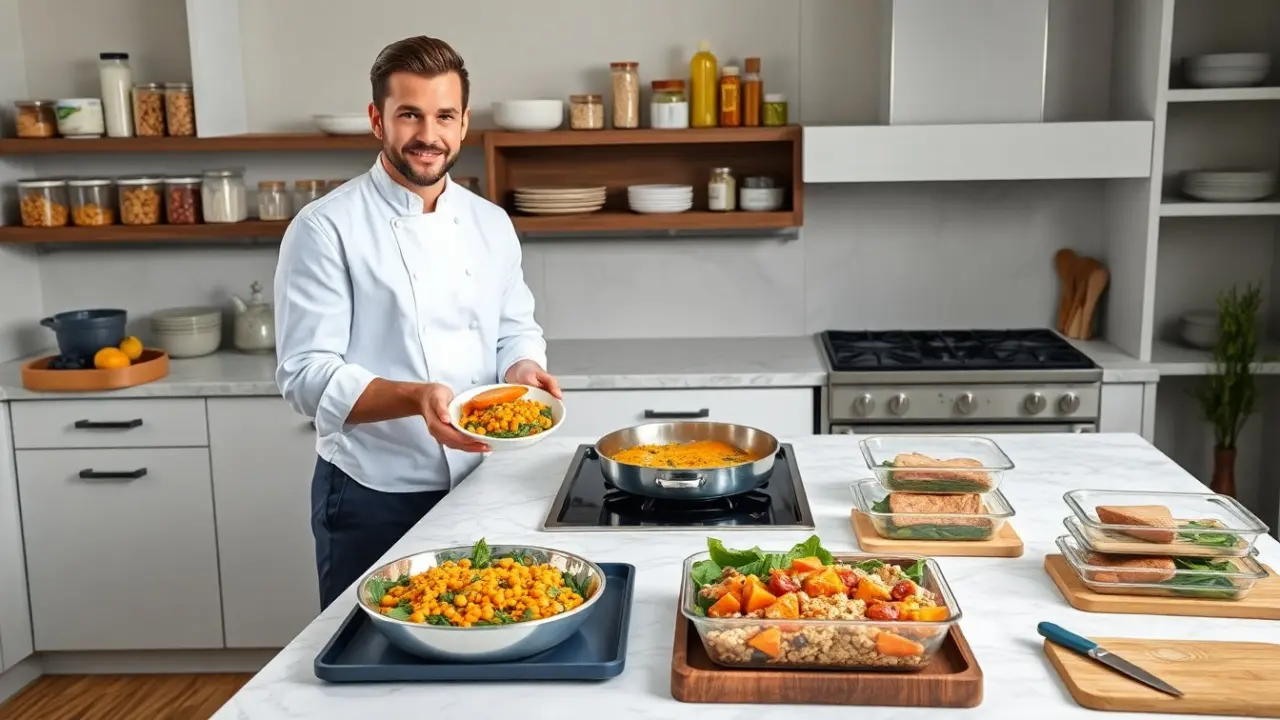
Recipe 3: Lentil, Sweet Potato, and Kale Stew (4 servings). Roast two medium diced sweet potatoes tossed with 1 tablespoon olive oil and a pinch of salt at 400°F for 20–25 minutes until tender and slightly caramelized. Meanwhile, sauté one chopped onion and two cloves garlic in a pot until fragrant. Add one cup dried brown or green lentils, four cups low‑sodium vegetable broth, and the roasted sweet potatoes. Bring to a simmer and cook 20–25 minutes until lentils are tender. Stir in two cups finely chopped kale and 1 teaspoon turmeric, and simmer 2–3 minutes until kale softens. Adjust seasoning with black pepper and a squeeze of lemon. Portion into containers—this stew stores well for 4–5 days refrigerated and freezes beautifully in single‑serve portions for later use.
Why it works: lentils are a high‑protein, high‑fiber base that pairs with nutrient‑dense sweet potatoes and kale for complex carbs and micronutrients important to recovery. To vary the stew, add cooked turkey mince or shredded chicken for extra animal protein, or stir in a spoonful of Greek yogurt when reheating for creaminess and added protein.
Recipe 4: Chicken, Quinoa, and Turmeric Grain Bowl (4 servings). Preheat oven to 425°F. Roast four skinless chicken thighs brushed with 1 tablespoon olive oil, 1 teaspoon ground turmeric, 1/2 teaspoon paprika, and black pepper on a sheet pan for 20–25 minutes until cooked through. Meanwhile, cook two cups dry quinoa according to package instructions and fluff. Combine cooked quinoa with two cups chopped cucumber, one cup halved cherry tomatoes, and 1/4 cup pumpkin seeds. Chop the roasted chicken and toss into the quinoa with a simple lemon‑olive oil dressing (juice of one lemon, 2 tablespoons olive oil, salt, pepper). Portion into four containers for an easy grab‑and‑go lunch or post‑workout meal.
Why it works: this bowl balances lean protein with whole grains and seeds for sustained energy and muscle repair. Storage and reheating tips: refrigerate for up to 4 days; keep dressing separate if you prefer the salad cold, or drizzle before reheating. Substitutions: swap quinoa for farro or barley, and use tempeh or chickpeas to make it plant‑based.
Final meal planning tips: batch‑cook one or two staples (grains, roasted vegetables, a protein) at the start of the week, then mix and match with fresh greens, nuts, and quick dressings to keep meals varied. Focus on simple seasoning and texture contrasts—crispy seeds, creamy yogurt, bright citrus—to make high protein anti inflammatory recipes both nourishing and satisfying every night of the week.