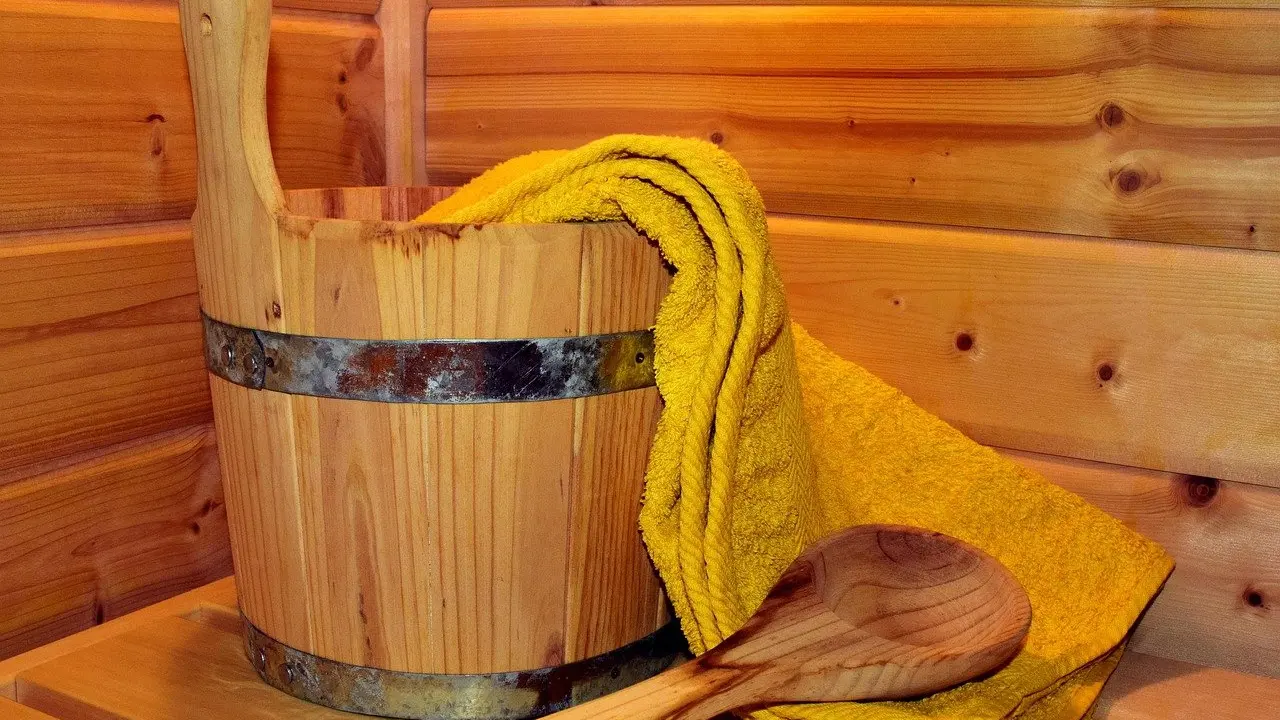
The benefits of sauna use come from heat raising heart rate and blood flow, with possible gains for heart health, sleep and sore muscles. Sessions of about 15–20 minutes suit most people; check with a clinician first if you have a heart condition.
Sauna time works best as one part of a whole body reset that also covers sleep, hydration and sensible training. The sections below explain how the heat acts on the body, how strong the evidence is for each benefit, and how to set session length and frequency safely.
How sauna heat works on the body
Sauna heat is a form of heat therapy: the air around you is hot enough to raise your heart rate and push more blood toward the skin and muscles. The type of sauna decides how hot that air is and how much of the research applies to you.
A traditional sauna is typically heated between 150 and 195 °F (about 65.55–90.55 °C), with humidity usually under 20%. Infrared saunas run cooler. Cleveland Clinic puts them between 110 and 135 °F (about 43.33–57.22 °C), while Northwestern Medicine describes air temperatures of around 120–140 °F. Both figures are typical ranges rather than targets, and the exact reading depends on the unit.
Two effects explain most of the claimed benefits. First, Northwestern Medicine notes that saunas can raise heart rate to a level similar to moderate exercise, which is why circulation and heart health feature so heavily in the research. Second, it reports that infrared heat increases blood flow, which may support muscle recovery and reduce soreness.
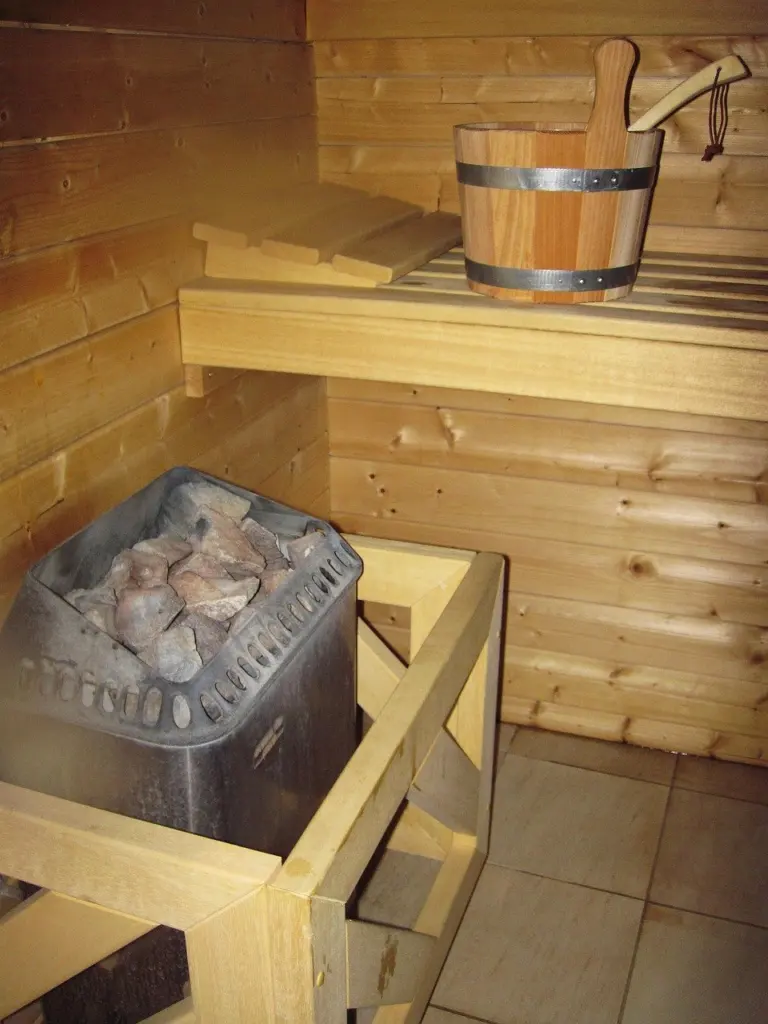
Because the heat source and air temperature differ, the evidence does not transfer neatly between sauna types. Northwestern Medicine states that the strongest evidence of sauna health benefits comes from traditional saunas, while infrared research is mostly limited to small, short-term studies. If you use infrared, treat the benefits below as plausible rather than proven.
Benefits and how strong the evidence is
The benefits below are ordered by how well the supplied research supports them, with a plain rating for each. None of them replaces medical care, and each depends on using the sauna safely.
Heart and circulation
Evidence: promising, strongest for traditional saunas. Cleveland Clinic reports that research shows sauna heat can boost heart health and may help maintain healthy blood pressure, while noting that more research is needed. The practical reading is that regular heat exposure is a reasonable addition for a healthy adult, not a treatment for high blood pressure. The circulation effect links directly to the heart-rate rise described above, which is why anyone with a heart condition needs medical advice first.
Sleep
Evidence: encouraging but thin. Cleveland Clinic states that research shows a sauna can help improve sleep. The supplied evidence gives no details on timing or session length for this effect, so the sensible approach is to try sessions at a time that suits your routine and notice how you sleep, rather than expecting a guaranteed result. Alcohol is the clear thing to avoid beforehand, as covered in the safety section.
Muscle soreness and recovery
Evidence: plausible, with a proposed mechanism. Cleveland Clinic notes that sore muscles often respond to heat and that release of BDNF, a brain-related growth protein, has been proposed as part of the explanation. Northwestern Medicine adds that increased blood flow from infrared heat may support recovery and reduce soreness. This suits people who want a relaxing way to ease post-workout stiffness. It is a supportive habit, not a substitute for rest days.
Stress and anxiety
Evidence: early. Cleveland Clinic says the sauna experience does seem to show improvement in anxiety, but flags that more study is needed. Treat this as a possible bonus of a calm, quiet session rather than a reason to start.
Session length and frequency
For most users, about 15–20 minutes per session is the guidance for a traditional sauna, and beginners should begin with shorter sessions and build up. The table pulls the temperature and timing figures together so you can compare sauna types at a glance.
| Item | Typical value | Planning use |
|---|---|---|
| Traditional sauna air | 150–195 °F (65.55–90.55 °C); humidity usually under 20% | Expect dry, intense heat; this is the type with the strongest research. |
| Infrared sauna air | 110–135 °F (43.33–57.22 °C) | Cooler air, so sessions can feel more comfortable at the same length. |
| First sessions | About 5 minutes, then add time as your body adjusts | Start short and extend gradually rather than aiming for the maximum at once. |
| Usual session length | About 15–20 minutes for most users | A sensible ceiling for a routine traditional-sauna visit. |
| Infrared routine | 2–4 times per week, 15–30 minutes per session | A reference range once you are comfortable with shorter sessions. |
Figures come from Cleveland Clinic and Northwestern Medicine.
The weekly range in the table is stated for infrared saunas, so use it as a starting reference for any sauna rather than a fixed prescription. The upper end of the session range, 30 minutes, applies to infrared sessions and is not a goal for a hot traditional sauna. If you feel unwell, leave early; a shorter session you finish comfortably is better than a longer one you push through.
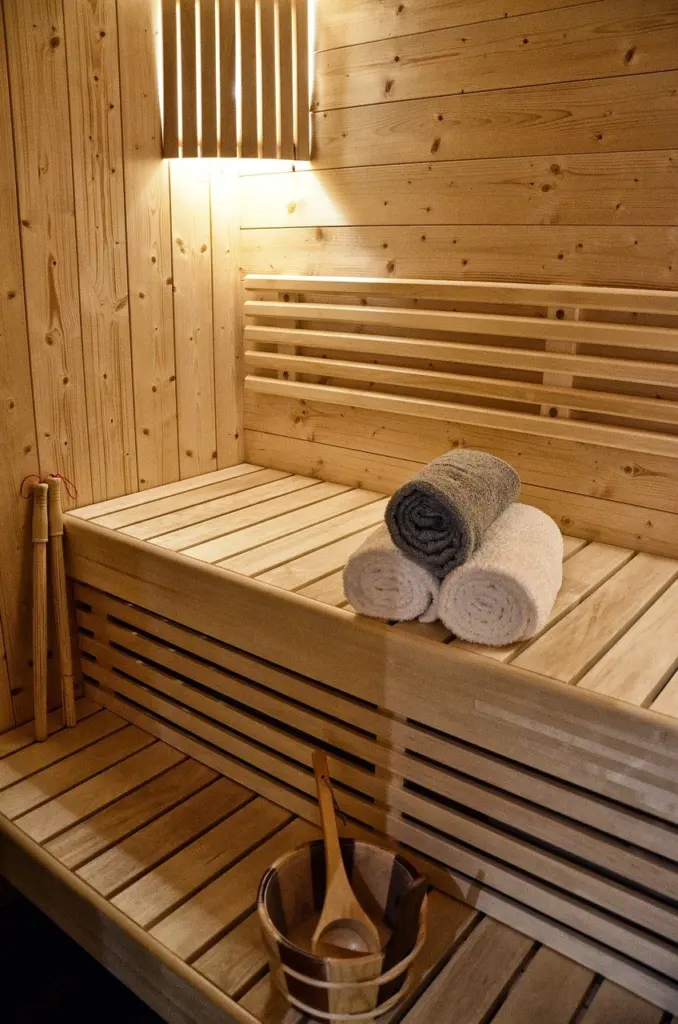
Safety and precautions
Sauna use is safe for many healthy adults, but heat puts real demands on the heart and fluid balance, so some people should avoid it or get advice first.
- Heart and blood pressure conditions: Northwestern Medicine advises caution for people with a heart condition or high blood pressure.
- Recent heart attack or stroke: Cleveland Clinic advises avoiding sauna use in this situation.
- Pregnancy: Both sources list pregnancy as a reason for caution, and Cleveland Clinic includes people who are trying to conceive.
- Check with a healthcare provider first: Cleveland Clinic lists people older than 65, those under 16, anyone with certain heart or neurologic conditions, and anyone taking medication.
- After drinking alcohol: avoid the sauna, because alcohol can increase the risk of abnormal heart rhythm and dehydration.
Dehydration is one of the biggest risks of sauna use, so drink water before and after each session. Long, repeated exposure to heat can also irritate skin: Northwestern Medicine notes that a mild heat rash called erythema ab igne typically fades on its own within a few months after the heat source is removed. That is another reason to keep sessions moderate.
Choosing between heat and other recovery tools
If you are weighing dry heat against humid heat, Sauna Vs Steam Room: Which Is Better For Your Health In 2026? A Practical Guide – Wholebodyreboot compares them directly. If recovery is your main goal and you also want to try cold exposure, Cold Plunge Tub Benefits: Why Cold Water Therapy Boosts Recovery, Mood, And Immunity In 2026 – Wholebodyreboot covers that side of contrast therapy.
Frequently asked questions
How often should I use a sauna?
Northwestern Medicine gives 2–4 times per week as the typical infrared routine. If you are new, build up gradually and let your body adjust before increasing frequency.
How long should a sauna session be?
Most users do well at about 15–20 minutes, according to Cleveland Clinic. Beginners can start at about 5 minutes and add time as they adjust.
Who should not use a sauna?
Avoid it after drinking alcohol or soon after a heart attack or stroke. People with heart conditions, high blood pressure, pregnancy, regular medication, or an age over 65 or under 16 should speak to a healthcare provider first.
Is an infrared sauna as well supported as a traditional one?
Not yet. The strongest evidence comes from traditional saunas, while infrared research is mostly small and short-term.