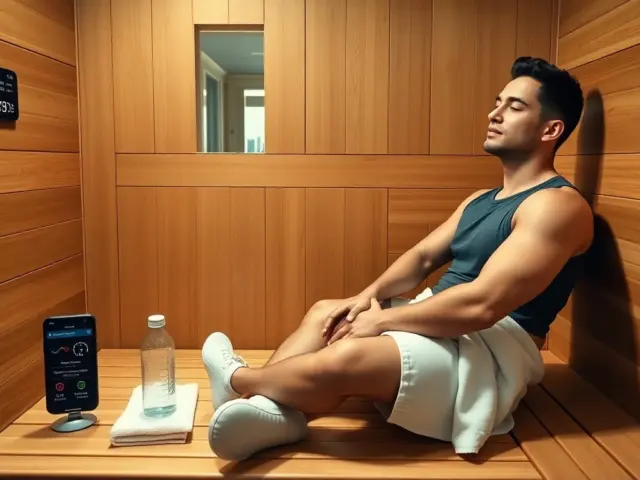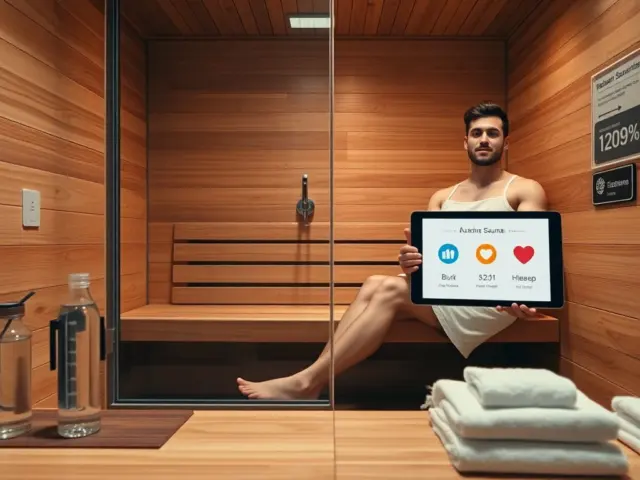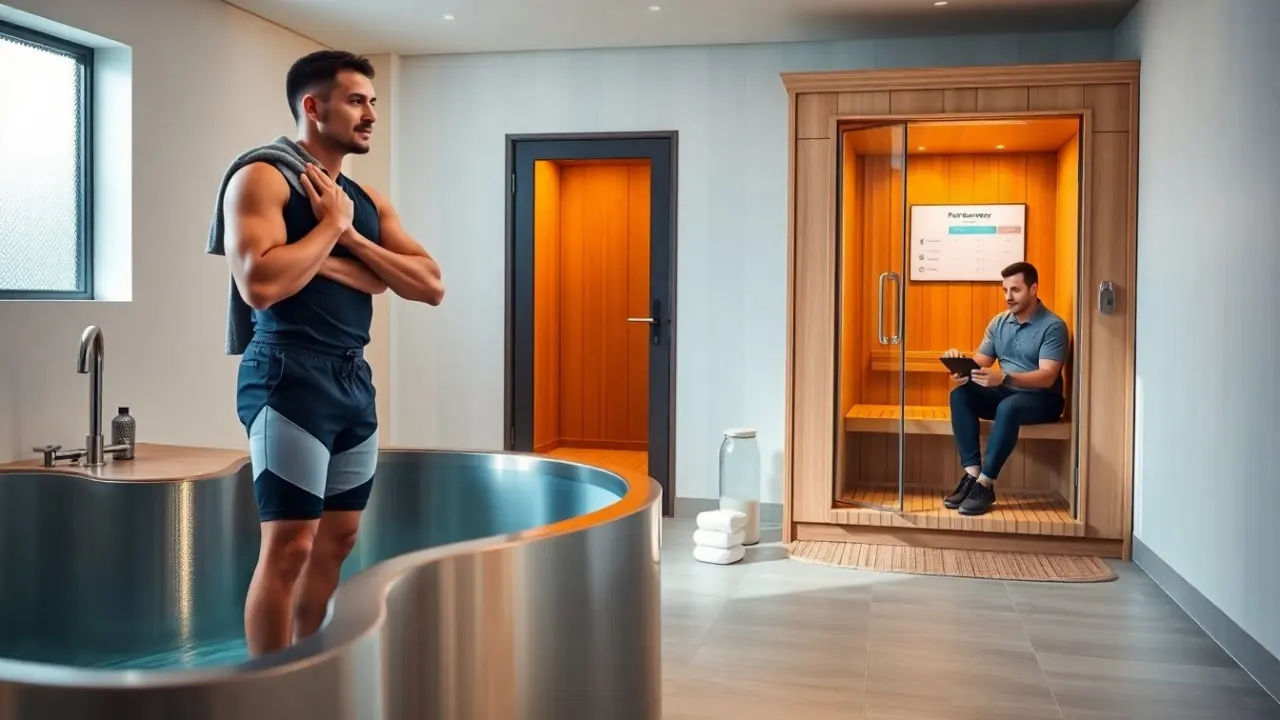
The benefits of cold plunge and sauna start with clear physiological shifts. The body responds to heat and cold with vascular change, hormone release, and nervous system adjustment. This guide lists key effects, simple protocols, and safety tips. It gives practical steps for people who want recovery, improved circulation, and immune support. The text keeps language plain and action-focused.
Key Takeaways
- The benefits of cold plunge and sauna come from contrast therapy, which uses heat and cold to improve circulation through vascular changes like vasodilation and vasoconstriction.
- Contrast therapy supports faster muscle recovery by reducing soreness, clearing metabolic waste, and enhancing tissue elasticity and swelling control.
- Regular use of cold plunge and sauna sessions enhances immune function by increasing white blood cell activity and promoting heat-shock protein production.
- Combining cold plunge and sauna improves mental clarity and mood by triggering parasympathetic relaxation with heat and sympathetic alertness with cold.
- Safe use involves short heat sessions (8–12 minutes), brief cold plunges (60–90 seconds), proper breathing, hydration, and medical consultation for those with health conditions.
- Consistent contrast therapy is associated with better autonomic balance and longevity markers like improved heart-rate variability and reduced inflammation.
Why Combine Cold Plunge And Sauna? The Science Of Contrast Therapy
Contrast therapy uses heat and cold in sequence. The benefits of cold plunge and sauna arise from repeated vasodilation and vasoconstriction. Heat causes blood vessels to widen. Heat increases heart rate and sweating. Cold causes blood vessels to narrow. Cold reduces skin blood flow and lowers local temperature. Repeating these shifts trains vascular responsiveness and supports circulation.
Research links contrast exposure to faster removal of metabolic waste after exercise and to reduced muscle soreness. The benefits of cold plunge and sauna also include faster perceived recovery. The nervous system reacts to sharp temperature change. The reaction triggers endorphin release and acute stress-hormone modulation. The benefits of cold plunge and sauna include short-term increases in alertness and mood.
Contrast therapy affects inflammation. Heat increases local blood flow and immune cell delivery. Cold reduces inflammatory markers and swelling. The sequence often starts with heat to relax tissue and then uses cold to limit inflammatory response. The benefits of cold plunge and sauna follow this order for many athletes and therapists.
Physiologists measure core temperature, heart rate variability, and blood pressure during contrast sessions. Those measures tend to show improved autonomic balance after repeated sessions. The benefits of cold plunge and sauna show more clearly in people who use them regularly and who combine them with proper hydration and rest.
Physical Benefits: Recovery, Circulation, And Immune Support
Contrast therapy supports muscle recovery. The benefits of cold plunge and sauna include reduced delayed onset muscle soreness and faster return to training. Heat increases tissue elasticity and comfort. Cold lowers tissue temperature and limits swelling. Together, they help clear lactate and other metabolites from muscle tissue.
Contrast sessions improve circulation. The benefits of cold plunge and sauna include stronger peripheral blood flow over time. Repeated vasodilation and vasoconstriction act like a passive workout for small vessels. People who use contrast therapy often report warmer hands and feet after several weeks of regular sessions.
Contrast exposure may help immune function. The benefits of cold plunge and sauna include increased white blood cell activity in short-term studies. Heat prompts heat-shock proteins and immune signaling. Cold prompts acute immune mobilization. The combined effect appears to give short-term immune readiness. Researchers still test long-term outcomes.
Contrast therapy also aids pain management. The benefits of cold plunge and sauna include lowered perception of pain and improved joint mobility. Heat relaxes muscles and reduces stiffness. Cold lowers nerve conduction speed and reduces pain signals. For people with mild osteoarthritis or chronic aches, contrast sessions can offer symptom relief when used with medical advice.
Users should combine contrast therapy with hydration and gentle mobility work. The benefits of cold plunge and sauna increase when the user follows proper timing, breathing, and movement. The benefits of cold plunge and sauna vary by age, health status, and exposure length.
Mental Benefits, Longevity Signals, And Practical Safety Protocols
Contrast therapy supports mental clarity. The benefits of cold plunge and sauna include improved mood and focus. Heat triggers relaxation and parasympathetic activity. Cold triggers alertness and sympathetic activity. The shift between states gives a clear mental reset for many users.
Some studies link contrast exposure to markers tied to longevity. The benefits of cold plunge and sauna include improved heart-rate variability and reduced inflammatory markers in short trials. Researchers view these markers as signals of healthier aging. The benefits of cold plunge and sauna do not guarantee longer life. They do associate with factors that correlate with longevity in population studies.
Safety matters. The benefits of cold plunge and sauna depend on correct use. People with cardiovascular disease or uncontrolled hypertension must consult a clinician. Pregnant people should ask a provider before use. The benefits of cold plunge and sauna come with risk if the user stays too long in extreme temperatures.
Simple protocols reduce risk. Begin with short heat sessions of 8 to 12 minutes. Then use a cold plunge of 60 to 90 seconds for beginners. Repeat the cycle 2 to 3 times as tolerance allows. People should breathe slowly and avoid sudden standing after cold exposure. People should hydrate and avoid alcohol before sessions.
A gradual build improves safety and benefits. Start with milder heat and longer cold rest times as comfort grows. Track heart rate and perceived exertion. If dizziness, chest pain, or severe shortness of breath occur, stop and seek medical help. When used responsibly, the benefits of cold plunge and sauna support recovery, mood, and circulation.