Anti inflammatory meal prep recipes help reduce inflammation and save time. The reader learns clear menus, simple cooking steps, and storage tips. The guide shows who benefits and how to plan a week. The writing stays direct and actionable. The reader finds practical recipes, pantry lists, and reheating rules to keep meals fresh and anti-inflammatory all week.
Key Takeaways
- Anti inflammatory meal prep recipes combine nutrient-rich foods like vegetables, fruits, whole grains, and spices to reduce inflammation and support steady energy levels.
- Planning a weekly anti-inflammatory menu involves balanced portions of protein, carbs, and fats with meals spaced every four to five hours to maintain blood sugar control.
- Stocking essential pantry staples such as olive oil, lentils, turmeric, and ginger ensures quick and easy preparation of anti-inflammatory meals.
- Batch cooking recipes like Turmeric Salmon Bowls and Lentil Sweet Potato Stew save time and retain anti-inflammatory benefits when stored and reheated properly.
- Using practical storage tips like airtight containers, labeling, and safe reheating enhances meal freshness and safety throughout the week.
- Incorporating simple substitutions like plant milk for dairy and natural sweeteners helps maintain anti-inflammatory benefits while catering to dietary preferences.
What Is Anti-Inflammatory Meal Prep And Who Benefits From It
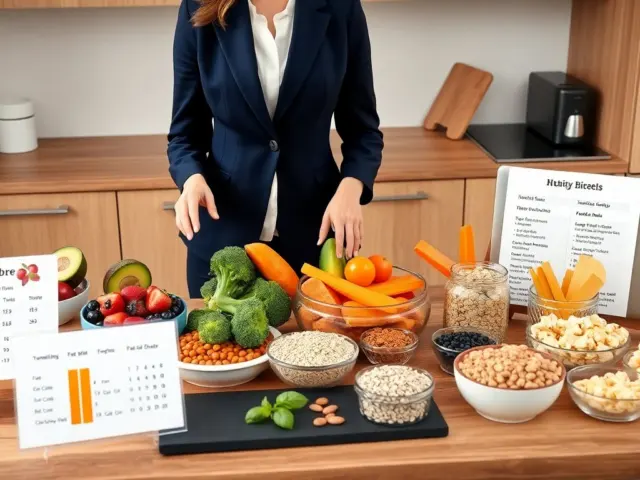
Anti inflammatory meal prep recipes combine foods that lower inflammation with batch cooking. The plan focuses on vegetables, fruits, whole grains, fatty fish, legumes, nuts, and anti-inflammatory spices. A person who has chronic joint pain or digestive sensitivity often benefits. A busy parent or worker who wants steady energy also gains from planned meals. A clinician who recommends diet for inflammation will find this approach practical. The method reduces decision fatigue. The method cuts reliance on processed meals. The method keeps portion sizes steady. The reader gets clearer blood-sugar control and fewer inflammatory flares when they follow consistent meals.
How To Plan A Weekly Anti-Inflammatory Menu (Timing, Portions, And Macros)
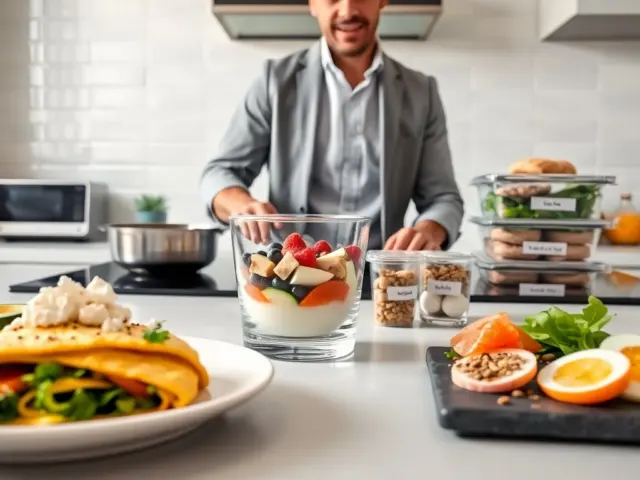
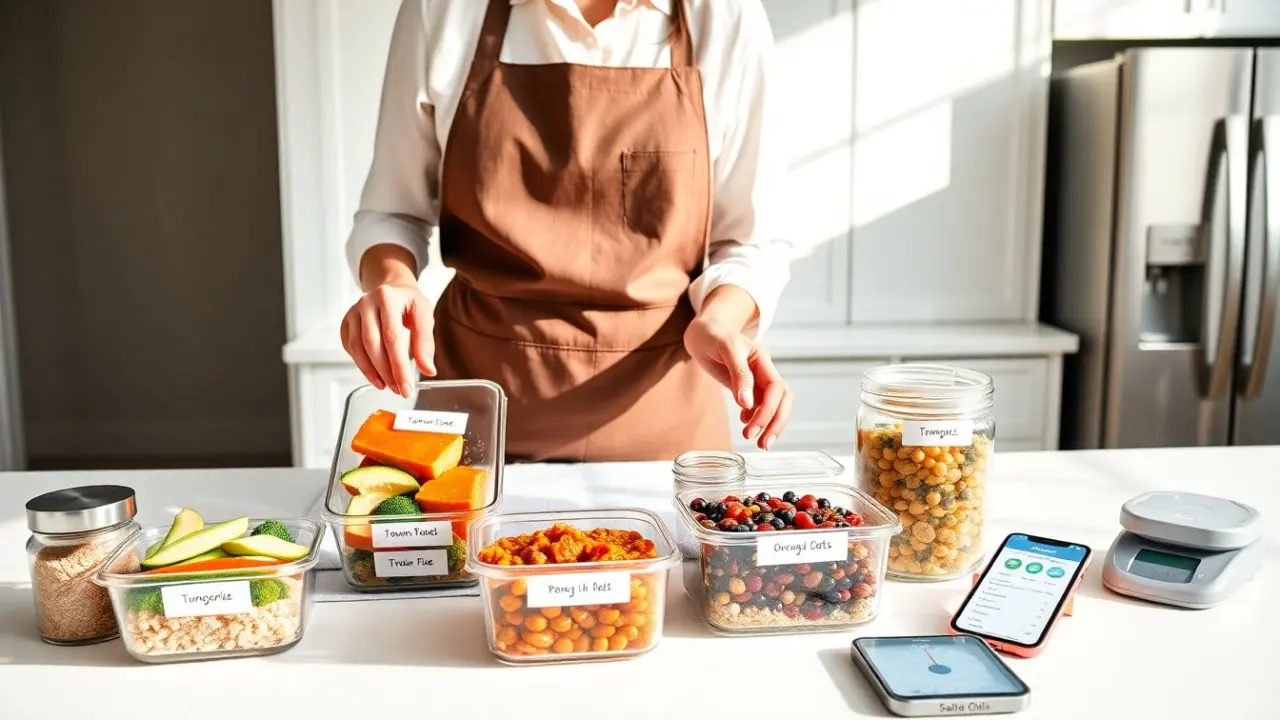
A planner chooses a day to prep and a short list of recipes. They allocate one to two hours for cooking on that day. A plate should include a vegetable portion, a lean protein, a whole grain or legume, and a healthy fat. A typical macro split might target 30% protein, 35% carbs, and 35% fat, adjusted for goals. A person who needs weight loss reduces portion size of grains and increases vegetables. A person who trains increases protein and carbs around workouts. For timing, the planner sets meals every four to five hours to steady hunger and blood sugar. For portions, the planner uses a food scale or simple hand measures: palm for protein, fist for vegetables, cupped hand for carbs, thumb for fats. For variety, the planner rotates two proteins, one grain, and three vegetables across the week. The planner makes a shopping list that lists amounts and stores it on the phone. The reader uses the list to buy only what the recipes need and avoid waste.
Essential Pantry Staples, Spices, And Smart Substitutions
A stocked pantry keeps anti inflammatory meal prep recipes fast. The list includes olive oil, canned tomatoes, low-sodium broth, brown rice or quinoa, lentils, and canned beans. The list adds chia seeds, rolled oats, and nuts. The list includes frozen berries and greens for smoothies. The key spices include turmeric, ginger, garlic powder, cinnamon, and black pepper. The spices pair well with citrus and fresh herbs like parsley and cilantro. For dairy, a person can use plain yogurt or fortified plant milk as a swap. For wheat, the cook can use oats or brown rice if they need gluten reduction. For sugar, the cook replaces refined sugar with mashed banana, date paste, or a small amount of honey. For oil, the cook uses extra-virgin olive oil instead of vegetable oil. For salt, the cook uses sea salt sparingly and relies on spices and acid to add flavor. The reader keeps staples in clear containers so they see inventory and avoid repeated trips to the store.
Four Make-Ahead Anti-Inflammatory Recipes With Storage And Reheating Tips
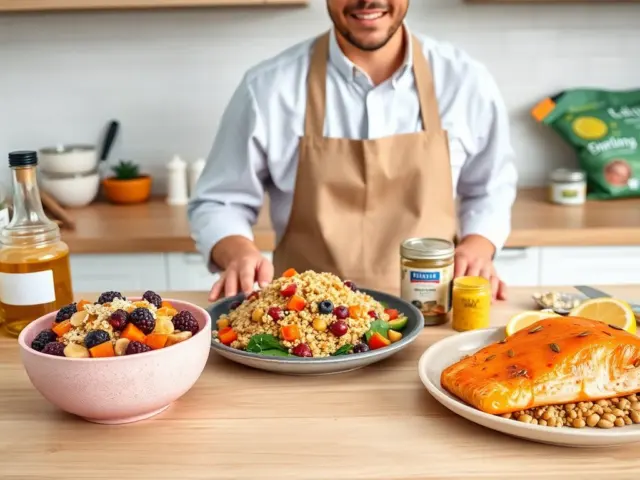
Recipe 1: Turmeric Salmon Bowls. The cook roasts salmon with olive oil, turmeric, and black pepper. They serve salmon over quinoa with steamed broccoli and sliced avocado. Storage: place portions in airtight containers for up to four days. Reheat: warm in a low oven or microwave for 60–90 seconds: add fresh avocado just before serving.
Recipe 2: Lentil and Sweet Potato Stew. The cook sautés onion, ginger, and garlic, then adds diced sweet potato, red lentils, canned tomatoes, and broth. They simmer until tender and finish with lemon juice and parsley. Storage: refrigerate up to five days or freeze in single servings for two months. Reheat: thaw in fridge overnight or warm on the stove until steaming.
Recipe 3: Mediterranean Chickpea Salad. The cook mixes canned chickpeas, cucumber, cherry tomatoes, red onion, chopped parsley, olive oil, and lemon. They add crumbled feta as an option. Storage: keep dressing separate for up to four days to avoid sogginess. Reheat: serve cold or room temperature: no reheating needed.
Recipe 4: Overnight Oats With Berries and Chia. The cook combines rolled oats, chia seeds, plant milk, cinnamon, and frozen berries. They refrigerate overnight. Storage: keep jars sealed for up to four days. Reheat: eat cold or warm briefly in the microwave: stir before eating.
Tips for all recipes: cool food quickly before sealing. Use glass or BPA-free containers with tight lids. Label each container with date and contents. When reheating, bring food to 165°F (74°C) for safety. When thawing frozen meals, move them to the fridge the night before. The planner refreshes meals with a squeeze of lemon, fresh herbs, or a handful of greens at serving time to boost flavor and nutrients.