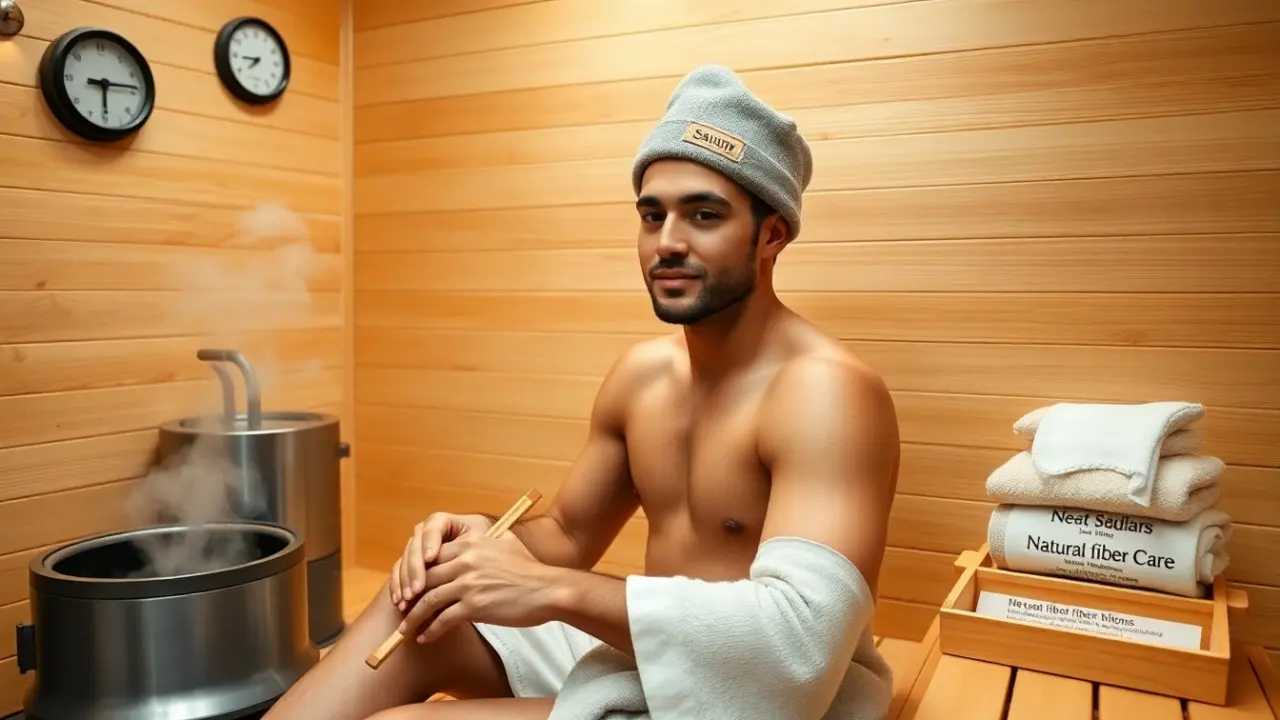
Sauna hat benefits appear early in this guide. The text lists practical effects and clear uses. It explains how a sauna hat protects hair, reduces scalp heat, and improves comfort. It shows materials and gives buying tips. It keeps language simple and direct. It aims to help any sauna bather make a clear choice. Below we expand the practical detail so readers can understand how sauna hat benefits translate into everyday use: what to expect in different sauna styles, how to integrate a hat into a routine, and how to preserve its protective qualities over time.
Key Takeaways
- Sauna hat benefits include protecting hair and scalp by reducing heat exposure and preventing damage like dryness and split ends.
- The hat regulates scalp temperature by distributing heat evenly, which helps avoid thermal stress and improves comfort during sauna sessions.
- Choosing the right sauna hat material, such as wool, cotton, or blends, affects insulation, breathability, and sweat management, impacting overall performance.
- Proper fit and care, including measuring head size and following washing instructions, are essential to maximize sauna hat benefits and ensure durability.
- Using a sauna hat allows longer, more comfortable sauna sessions by lowering scalp heat, reducing sweat irritation, and preventing lightheadedness.
How Sauna Hats Work: The Science Of Heat Protection
Sauna hats block extreme air heat from reaching the scalp. They form a thin barrier that slows heat transfer from hot air and radiant heat to the skin and hair. This barrier reduces direct convective and radiant heat exposure, meaning the scalp warms more slowly and reaches lower peak temperatures than it would unprotected. The hat also changes the microclimate around the head: trapped air within the hat acts as an insulating layer while the outer surface sheds some heat to the surrounding air. That combination raises the time it takes the scalp to reach higher temperatures and lowers overall thermal stress.
Physically, the hat reduces sweat evaporation directly on the scalp, which can reduce irritation and stinging for sensitive users. By moderating the head temperature, a hat can also limit cardiovascular strain in long or intense sessions, making it easier for some bathers to stay in the sauna longer without feeling dizzy. For those concerned with hair health, these effects slow moisture loss from hair fibers and reduce the mechanical damage that comes when very dry hair is brushed after a hot session. In short, sauna hat benefits arise from thermal buffering, microclimate control, and reduced skin and hair dehydration.
Heat Distribution And Scalp Temperature Regulation
The hat evens heat across the head surface. Without a hat, localized hot spots can form at the crown or along parts where air circulation is poor; a well-designed sauna hat spreads incoming heat toward the brim where it can dissipate more readily. This prevents hot pockets from forming directly on the scalp and limits sudden spikes in temperature at hair roots, which are most vulnerable to heat damage. The hat’s insulating layer allows the scalp to maintain a steadier, lower temperature during both brief and prolonged exposure.
From a practical perspective, this means fewer episodes of scalp redness, burning sensations, or sudden sweating that runs into the eyes. People prone to migraines or heat intolerance often report that temperature regulation provided by a sauna hat reduces episodes of lightheadedness or nausea during sessions. While individual responses vary, consistent use of an appropriate hat can make high-heat environments more tolerable and safer for a wider range of users.
Key Health and Comfort Benefits
A sauna hat protects hair from brittle damage and supports overall comfort. For hair, the hat shields cuticles from harsh heat and dry air, slowing the loss of natural oils and reducing breakage and split ends. For the scalp and nervous system, the hat lowers the risk of heat burns and lessens the intensity of sweat-related irritations such as salt stinging or sweat running into the eyes. For some bathers, these combined effects permit longer, more comfortable sauna sessions with fewer interruptions to cool down.
Comfort benefits also include improved concentration on relaxation or social aspects of the sauna session: when the head is not overheating, bathers tend to feel calmer and less distracted by discomfort. Some users with sensitive skin or dermatological conditions find that the reduced heat exposure and retained moisture around the scalp minimize post-session flaking or itching. Overall, sauna hat benefits include both direct hair and skin protection and indirect improvements in the quality and safety of the sauna experience.
Protecting Hair and Scalp From Heat Damage
The hat forms a protective layer over hair and scalp that lowers the direct heat load on hair strands. This lower load reduces cuticle lifting, which is a common cause of split ends and rough hair texture after repeated exposure to high temperatures. By preserving natural oils and reducing dryness, a hat can maintain smoother hair surface and reduce static. For dyed or chemically treated hair, limiting direct heat exposure can slow color fading and prevent premature texture changes.
On the scalp, the protective effect decreases the chance of redness, burning, and post-session flaking that some users experience after repeated high-heat exposure. This is especially relevant for people with thin hair or sensitive scalps where follicles receive more direct heat in an unprotected state. Incorporating a sauna hat into a regular routine can be a low-effort preventive step that supports both immediate comfort and longer-term hair maintenance.
Material Choices and How They Affect Performance
Material choice changes how well a sauna hat works because fibers determine insulation, weight, moisture handling, and breathability. A tightly insulating material will slow heat transfer more effectively but may trap sweat if it lacks breathability. Lighter, more breathable fabrics feel cooler sooner but can provide less thermal buffering for extended sessions. The right material balances protection with comfort: pick an insulating fabric for short, very hot sessions and a more breathable fabric for longer, moderate-temperature sessions.
Other practical differences include drying time (important if you use the hat frequently), susceptibility to odors, and how materials react to repeated washing. Durability and ability to hold shape matter because a deformed hat will not distribute heat evenly. Finally, consider how materials interact with hair types—some fibers may catch on coarse hair or pull long hair, while others lie smoothly over fine hair. These material-driven differences translate directly into the sauna hat benefits you will notice day to day.
Wool, Felt, Cotton, and Modern Blends — Pros and Cons
Wool insulates well and resists heat transfer while remaining breathable; it absorbs sweat and can keep the scalp comfortable during short to moderate sessions. Wool typically requires gentle care and may shrink if washed improperly. Felt offers strong insulation and shape stability, making it a popular choice where maximum thermal buffering is desired; however, felt can feel stiff and may trap more sweat than looser-knitted materials.
Cotton feels soft and breathes easily, which many users prefer for longer or lower-temperature sessions; it absorbs moisture quickly and dries faster than wool, which reduces odor buildup but can feel damp if you sweat heavily. Modern blends use synthetic fibers to add lightness, faster drying, or better shape retention; these can combine insulation with lower maintenance, but synthetics may be less comfortable directly against sensitive skin. Each material has trade-offs that change which sauna hat benefits are most prominent for different users and use patterns.
Practical Tips For Choosing and Using a Sauna Hat
Measure head size to pick a correct fit. A hat that is too tight will compress and reduce circulation; one that is too loose will slip and fail to distribute heat evenly. Choose a hat that sits snug without tightness and that covers the crown and upper ears if you want maximum protection. Consider hair length and style: tall buns or elaborate updos may require hats with more internal volume or a different shape.
Pick a material that matches session length and cleaning preference. Test the hat in a short session before long use to confirm comfort and temperature response. If you sweat heavily, favor materials that wick and dry quickly or have a washable design. Wash according to the maker’s instructions to keep shape and performance; for wool and felt this typically means hand wash and air dry, while some cotton and blends are machine-washable on gentle cycles.
Store the hat in a dry, ventilated place to avoid mildew and odors, and reshape it while damp if the hat loses form. Replace the hat if it loses insulation, becomes misshapen, or starts to irritate the scalp. For safety, avoid wearing hats with metal components or tight elastic in very high-heat settings. Pair the hat with a towel on the bench to reduce direct neck heat and rotate seats during long sessions to manage whole-body heat exposure. Follow these steps to reliably obtain and maintain sauna hat benefits and extend product life.