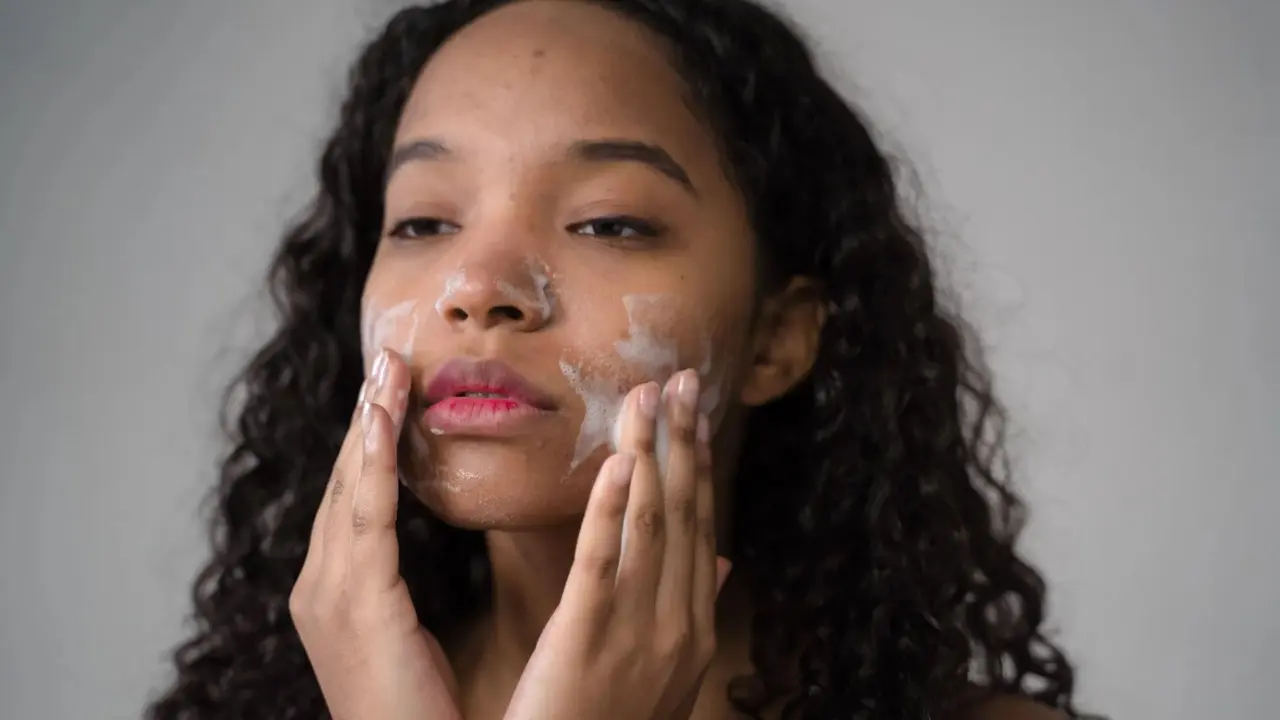
clearskinstudy is an acne information site, and the quickest way to get something useful from it is to work through its pages in order: pin down your acne type, read the causes, then match them to the remedies. This guide shows how, step by step.
| Step | Where on the site |
|---|---|
| Identify your type | The Different Types of Acne |
| Understand causes | The True Causes of Acne |
| Pick remedies | Ways to Get Rid of Acne |
| Read the product posts | Top recommended products |
Getting to clearskinstudy and finding your bearings
Type the name as a single word with the domain ending, whether your search began as clear skin study .com, clearskinstudy .com or www clearskinstudy .com. The menu runs across remedies, types, causes and aging, and each category holds a handful of long guides.
Step one on clearskinstudy: work out what type of acne you have
The types article starts from the question sufferers ask most: “What type of acne do I have?” It describes acne vulgaris, the most common form, and lists the lesions that go with mild to moderate cases: comedones (clogged pores that become blackheads or whiteheads), pimples, pustules and papules. It points out that a good skin routine can usually prevent scarring at this level, and it suggests looking at pictures online if the written descriptions leave you unsure. Anyone who landed on the page through clear skinstudy .com or clearskinstudy com will see this guide listed first under the types heading.
Step two: read the causes
The causes article opens by calling acne vulgaris one of the most common skin conditions in teenagers and adults and explains that milder forms are simply called acne while severe forms are cystic acne. It separates general causes from those behind particular types, such as back acne and adult acne, and links to separate posts on each. It also tells readers to compare home remedies with what a local dermatologist can offer.
Step three: match remedies to your type
The “Ways to Get Rid of Acne” category holds the practical material. Posts include a routine-style guide reviewing steps for clearer skin, and product-flavoured pieces on a pore-pulling gadget, a blackhead vapour tool, micro-pebble acne tools and a homeopathic approach. If you came in through clearskinstudycom, these are the pages most often opened next.
- Write down the lesion types you see, using the vocabulary from the types guide.
- Note which causes apply, such as adult acne or back acne.
- Choose one or two changes to a routine, not ten.
- Give a routine several weeks before judging it.
Using the product posts sensibly
Some pages recommend named products or link to an “official” system promoted as a lasting fix. Read them as advertising: look at the ingredient list, the price and the return policy before buying anything.
Reading the types guide closely
The clearskinstudy types article is the most detailed page on the site. It divides acne vulgaris into a mild-to-moderate group and a severe group. In the milder group it defines comedones as bumps that result from a clogged pore, a blackhead if the pore is partly blocked and a whitehead if it is fully blocked. Pustules are described as inflamed blemishes that look like a red circle with a white or yellow centre, and papules as small, tender, inflamed bumps without a head. It advises against squeezing papules and blackheads, and for pustules it gives a step-by-step method for those who cannot resist.
The severe group covers nodules, large hard bumps beneath the surface that can last months and often scar, and cysts, softer, pus-filled and painful. The article says squeezing either makes things worse and notes that dermatologists can treat them, for example with a corticosteroid injection. A final section on rosacea explains that it can resemble acne but is different, most often affects women over 30 and appears as redness on the cheeks, nose, forehead and chin, so treatment differs and a dermatologist visit is advised.
The causes guide in plain terms
The causes article starts with hormones. It says puberty triggers skin glands to produce more sebum, an oily substance, which can block pores. A fully blocked pore leads to a whitehead, a small infection involving bacteria that live naturally on skin. A partly blocked pore leads to a blackhead, and the article explains that the black colour is natural pigmentation in the blockage, not dirt, which is why it advises leaving blackheads alone. It goes on to a list of other factors, including unwashed hair or heavy styling products that transfer residue to skin around the forehead, temples and back.
Turning the guides into a routine
A sensible way to use the three guides together is to keep a short log. Record what you see, using the site’s own terms, and add any triggers it lists, such as hair products. Then choose changes that the remedy pages suggest and test them one at a time. Whoever begins from a search for clearskinstudycom, clearskinstudy .com or www clearskinstudy .com can follow the same order: types, causes, remedies.
What the product posts tell you about the site
The titles in the remedies category include a guide to a pore-pulling product’s ingredients, a blackhead vapour tool, micro-pebble acne tools and a homeopathic regimen with remedies named. A review post called “ClearSkinStudy.com Reviewed: Evidence-Backed Steps To Clearer Skin” describes the site as a research-focused resource that reviews clinical trials, summarises results and lists routines. These pages read as search-driven articles, and the more conservative guidance sits in the types and causes guides.
The popping advice, summed up
One of the most concrete bits of advice on the site is what to do about squeezing. Its types guide says not to pop blackheads or papules at all, never to squeeze nodules or cysts, and that pustules are the only blemish for which it gives a method, which includes disinfecting a needle, pricking the surface gently, wrapping the fingers in tissue and stopping when clear liquid or blood appears. Even there it says to leave a pimple alone if it does not pop, since forcing it can mean worse irritation and scarring.
Rosacea versus acne
The distinction the site draws between rosacea and acne vulgaris is worth noting. Rosacea appears as red rash on cheeks, nose, forehead and chin, can include bumps and visible blood vessels and is treated differently, so a person whose redness does not fit the acne descriptions should see a dermatologist.
A note on who publishes clearskinstudy
The About page describes a team of consumers and researchers, introduces a member named Leslie, and says plainly that they are not professionals and do not offer medical advice. Persistent, painful or scarring acne is a matter for a dermatologist.